The surprising history of baked beans, from ancient pits to the modern breakfast table
In short: Baked beans are a global convenience staple, yet they are rarely actually baked. While their roots trace back to ancient indigenous American cooking methods, the canned version found in your pantry is a steam-cooked product that evolved from a luxury import into a cornerstone of the British breakfast.
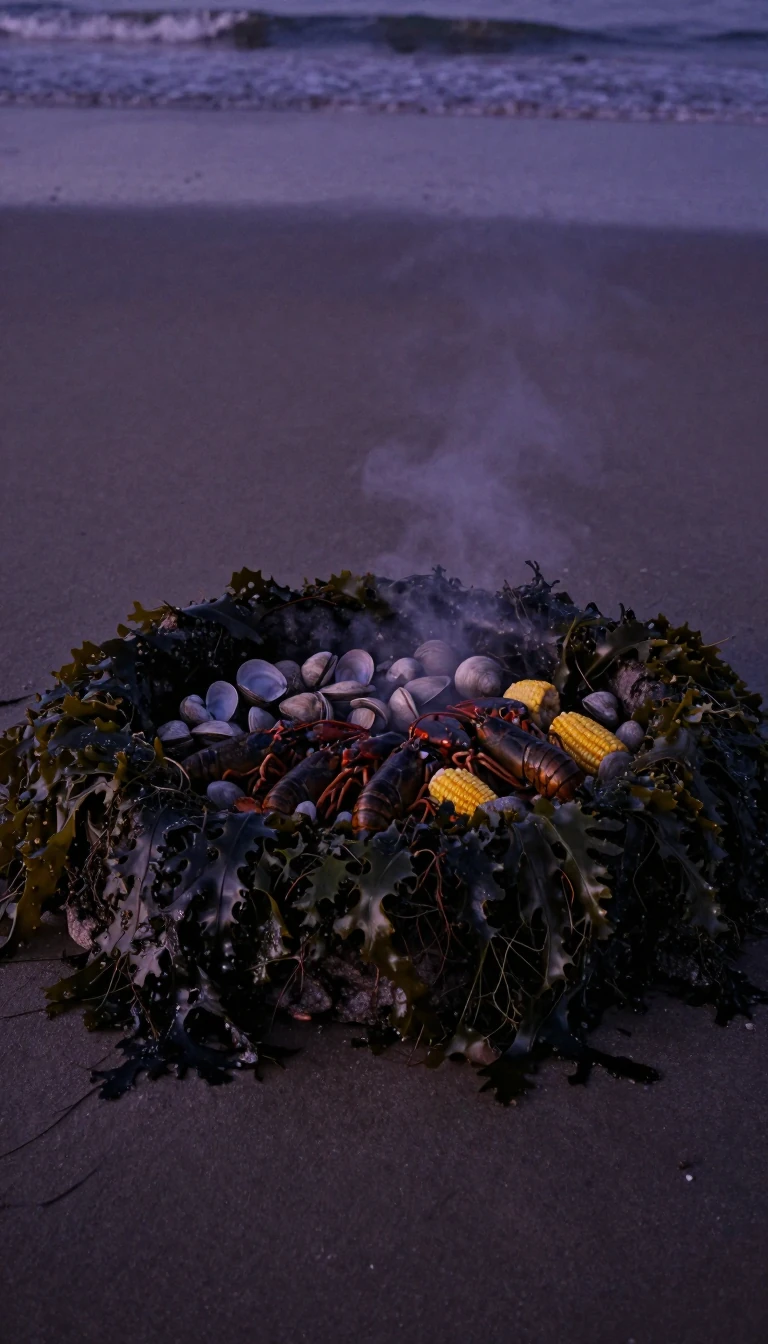
The origins of baked beans are deeply tied to the indigenous peoples of the Americas. As early as c. 1500 BC, the Maya civilization prepared beans by soaking and baking them. In the northeastern United States, various groups, including the Haudenosaunee, Narragansett, and Penobscot, utilized "bean holes"—pits lined with hot rocks—to slow-cook beans mixed with bear fat and maple sugar. While some historians have suggested the dish evolved from the French cassoulet, this is unlikely because the specific beans used are native to North America and were not introduced to Europe until around 1528.
British colonists in New England adapted these indigenous techniques, substituting molasses or sugar for maple syrup and bacon or ham for bear fat. By the 19th century, regional variations flourished, such as the molasses-heavy "Boston baked beans." The dish was later marketed as a national cuisine tied to the Pilgrims, though experts like Keith Stavely and Kathleen Fitzgerald note that evidence for specific indigenous cooking methods is debated. Regardless, the dish spread through 19th-century cookbooks, eventually becoming a global phenomenon.
Commercial canning transformed the dish into a convenience food. The H. J. Heinz Company began mass-producing canned beans in 1895, having first exported them to the UK as a luxury item in 1886. By 1901, Heinz was selling them throughout the UK, where the recipe was eventually modified to be less sweet and tomato-based to suit local tastes. Today, canned beans are steam-cooked rather than baked, and while they are a source of fiber and zinc, they have faced scrutiny from health experts regarding their sugar and salt content, particularly after a 2002 UK ruling allowed them to be marketed as a vegetable serving.
Opens the Intellect+ feed with this card first. Swipe up for the next one.
Sources
- Summary by Intellect · source: Baked beans
To cite this card, link to https://intellectplus.co.uk/app/food-baked-beans.
How we source, check and correct cards: Editorial standards.
General information, not professional advice. Spotted an error? Flag the card or see corrections and complaints.
Intellect Plus is a visual educational discovery platform for exploring fascinating facts and ideas. Brain Food, Not Brain Rot. What is Intellect Plus?
Related
More in UK & Ireland: food · More in Food & Drink · Latest · A–Z · All topics
