 Intellect Plus
UK & Ireland: food
100 cards. Each one is a 40-second story with a five-minute read behind it.
 Beyond the Folklore: Separating Fact from Fiction in Irish CultureIreland is often shrouded in romanticized legends and common misconceptions. This video investigates ten of the most persistent myths about the Emerald Isle to reveal the historic…
 The existential solitude of the long-haul truck driverFollow Stoney Burke on a 1973 trans-continental journey from Ireland to Italy. This report captures the grueling reality of moving perishable goods across borders, highlighting th…
 Ireland's complex role within the machinery of the British EmpireBeyond the familiar narrative of Home Rule lies a more intricate history of Irish involvement in global imperial administration and military service.
 Why some of Ireland's finest flavors are tied to specific soilFrom legally protected bread to seasonal sweets, many of Ireland's most iconic foods are inseparable from their geography. This guide explores why these specific ingredients are w…
 How one humble tuber fueled a continent and then failed a nationThe potato was the engine of European population growth, yet it became the catalyst for Ireland's greatest tragedy. This video explores the complex history of this crop, from its …
 How Ireland preserved the ancient world while Europe struggledWhile much of continental Europe faced the instability of the Dark Ages, Ireland maintained a unique cultural position. This video explores how the island both protected ancient t…
 The deliberate mechanics of a famine: how policy chose starvationThe Great Famine was not merely a natural disaster; it was a consequence of specific economic choices. While the potato crop failed, the machinery of the British state continued t…
 The Emerald Isle: A Four-Minute Journey Through Irish HeritageExperience a condensed exploration of Ireland’s cultural identity, from its rugged natural landmarks to the deep roots of its folklore and culinary traditions.
 The man who turned a bitter breakup into a national comedy sensationIn 1978, a bitter teenager named Jilted John became a household name by declaring "Gordon is a moron." What started as a mockery of punk-rock vocal styles evolved into a multi-dec…
- The woman who founded the world's oldest university may be a mythFatima al-Fihriya is celebrated as the visionary who built the al-Qarawiyyin Mosque and university in 9th-century Morocco. Yet, modern scholars are increasingly skeptical. Is she …
- The 'Other Queen of Ireland' who bypassed the X Factor routeWhile many modern artists seek fame through reality television, Imelda May built a career on musical integrity and diverse collaborations. From rockabilly revival to jazz-influenc…
 From abattoir laborer to culinary icon: the grit behind the gourmetBefore he was a household name synonymous with Cornish seafood, Rick Stein was a manual laborer in an Australian abattoir. His journey from a failed student and a nomadic life und…
 The culinary art of the crunch: how leftovers became a global delicacyFrom the royal kitchens of Louis XIV to modern Dutch snack bars, the croquette is a masterclass in culinary recycling. What began as a way to repurpose roasted chicken and broth h…
- Why this ancient, peppery aquatic plant is more than just a simple garnishWatercress is one of the oldest leaf vegetables consumed by humans, yet it remains a botanical outlier. This semi-aquatic perennial, native to Eurasia, thrives in alkaline chalk s…
 Welsh cuisine was born from isolation, peasant ingenuity, and a single open-fire cauldron.Far from the refined kitchens of the gentry, traditional Welsh food emerged from the necessity of working people. With limited ingredients and restricted access to outside trade, …
 Can a restaurant be a laboratory? Inside the world of Heston Blumenthal’s Fat Duck.Since 1995, The Fat Duck in Bray has redefined fine dining through radical experimentation. From bacon-and-egg ice cream to multi-sensory dishes served with iPods, chef Heston Blu…
 The stinging nettle is a versatile powerhouse hiding in plain sight as a weed.Commonly dismissed as a painful nuisance, the stinging nettle is actually a nutrient-dense food source, a historical textile fiber, and a resilient survivor. By mastering the simp…
 How a cartoon-inspired American burger chain conquered the world before fading at homeFounded in 1934 by Edward Gold, Wimpy once defined the global fast-food experience. While the brand vanished from its American birthplace following Gold's death in 1977, it thrive…
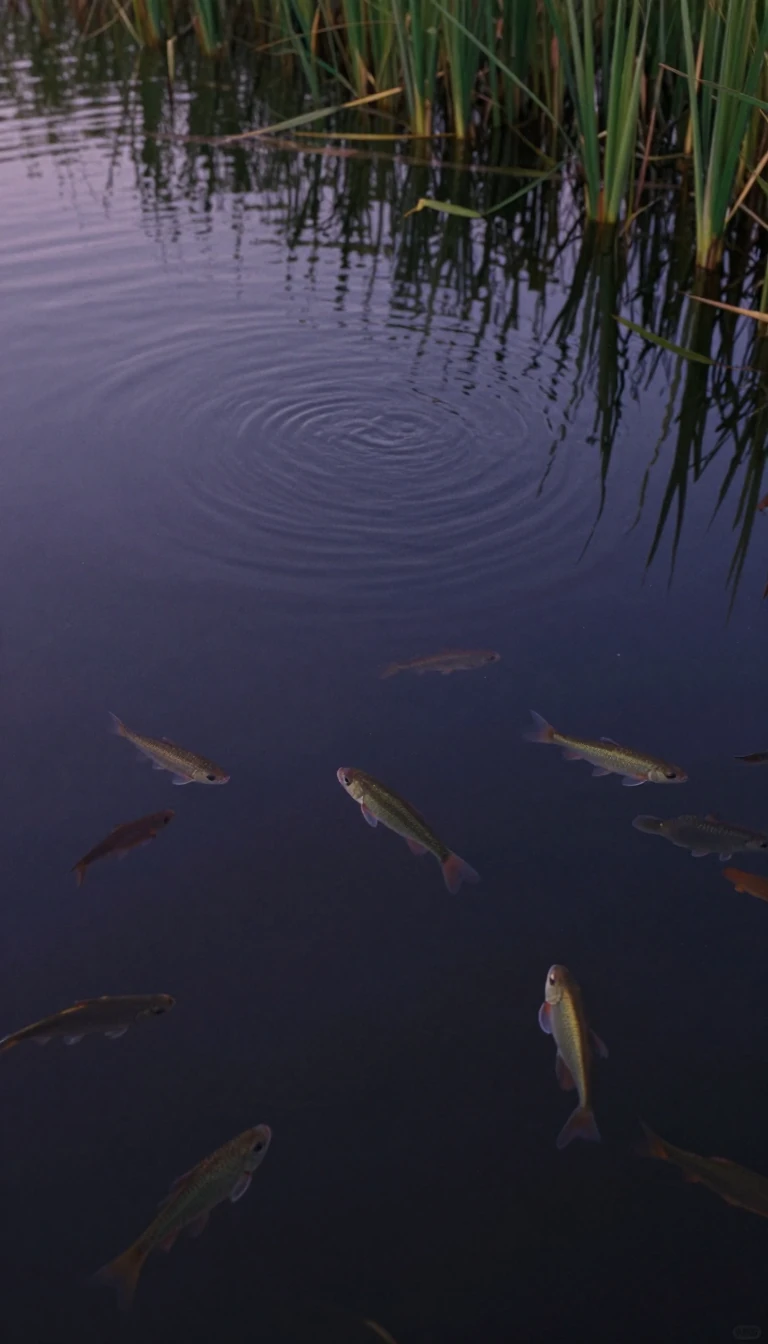 Why the walleye is a master of the dark and a culinary iconNamed for its pearlescent, light-sensitive eyes, the walleye is a freshwater predator that thrives in the shadows. This North American fish is not just a prized catch for anglers;…
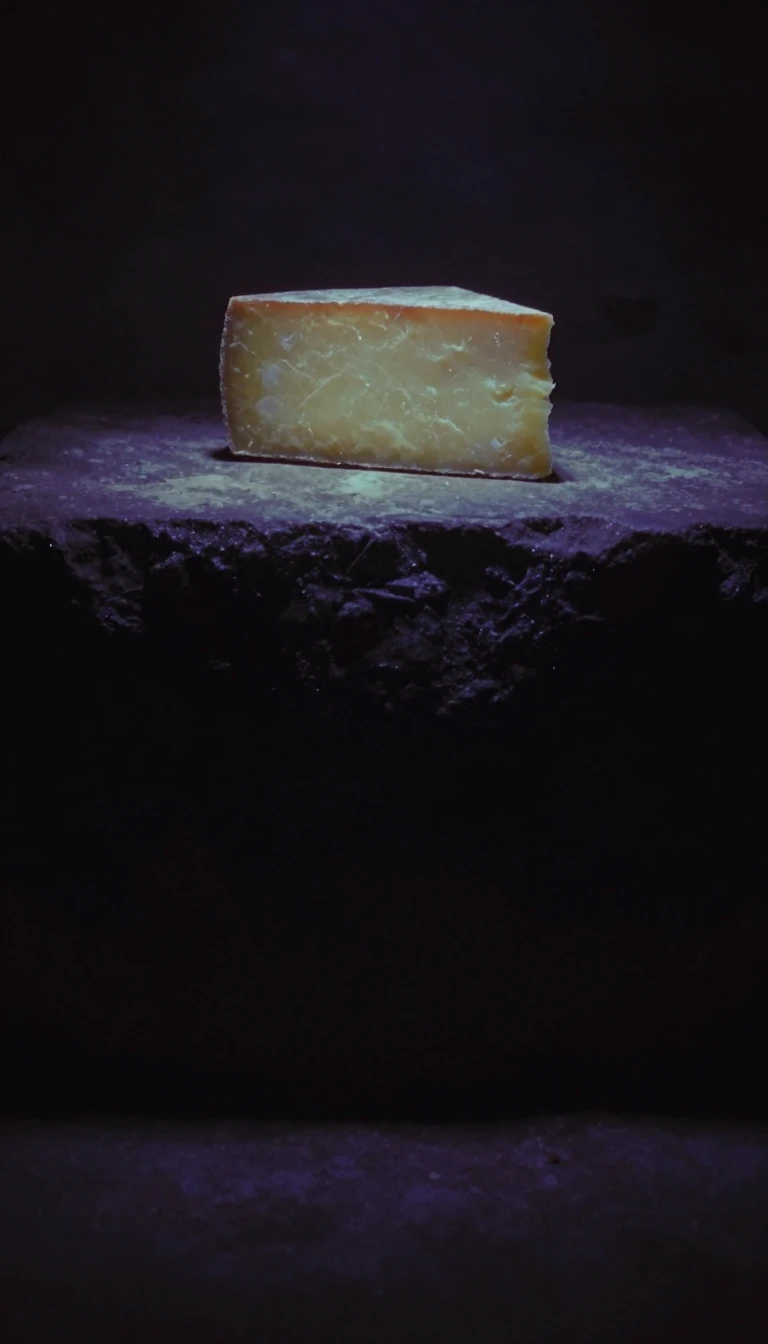 Why you cannot legally make Stilton cheese in the village of StiltonStilton cheese is a protected British icon, yet the village that gave it its name is legally barred from producing it. This paradox stems from strict geographical regulations that…
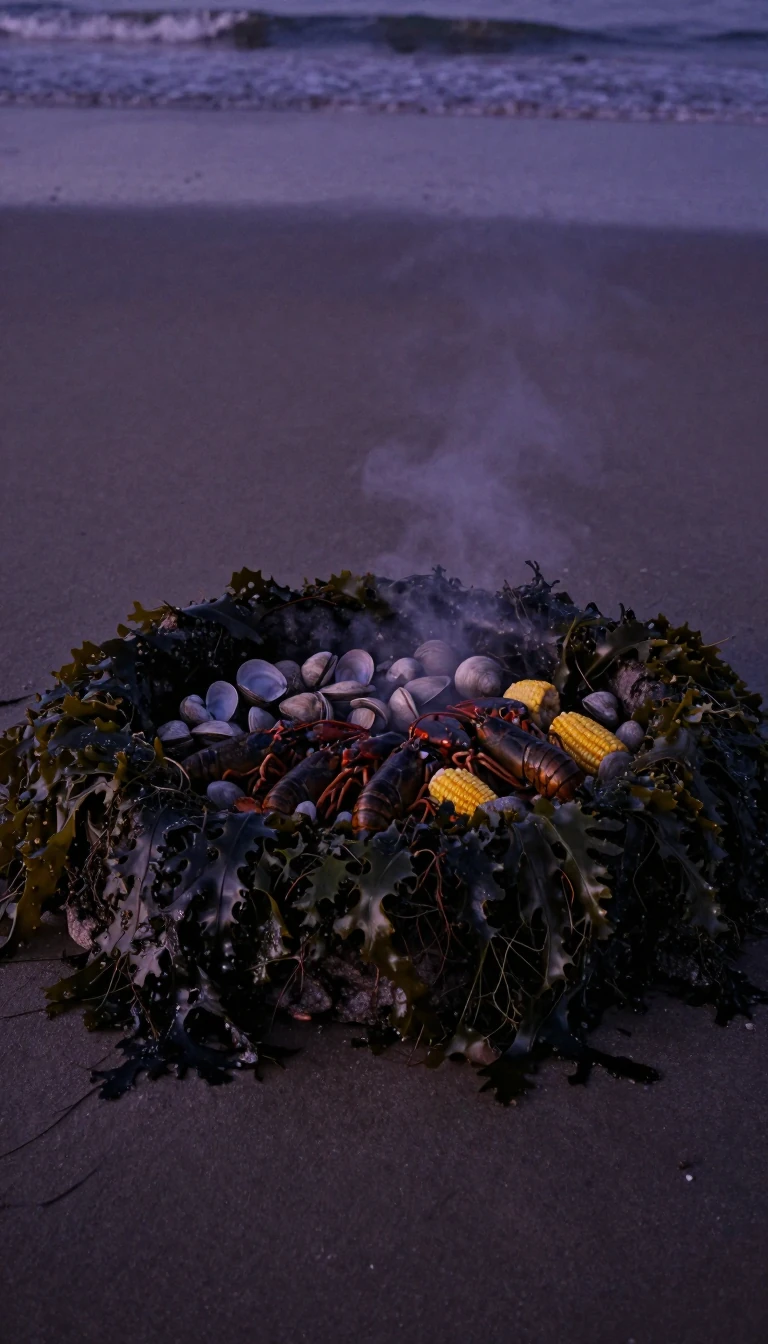 Why the word for a writing tool became the name for your fried appetizer.The culinary term calamari traces its roots to the Latin word for a pen case. This linguistic link reflects the squid's most famous defense mechanism: its ink. While often relegat…
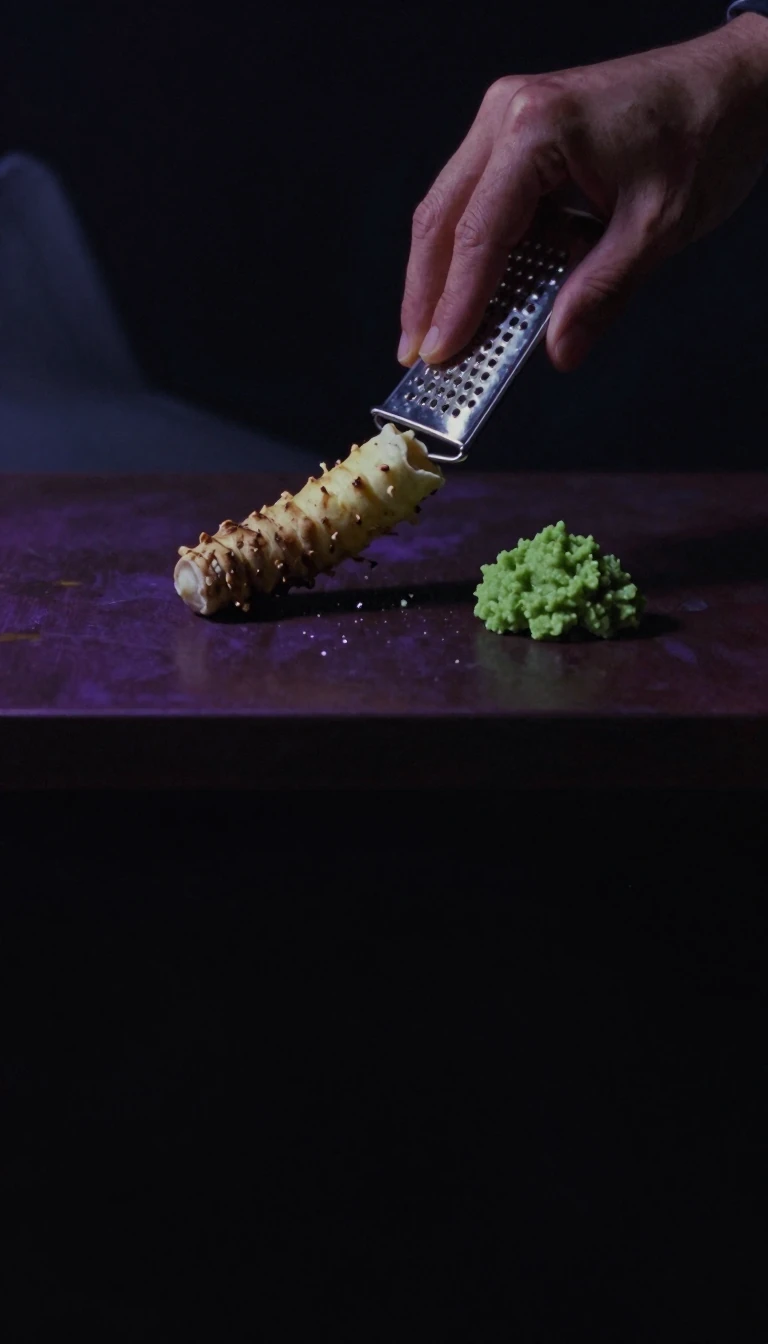 Why this pungent, fermented delicacy is considered a culinary treasure across China and TaiwanRenowned for an aroma often compared to rotten garbage or smelly feet, stinky tofu is a beloved street food snack. Despite its notorious scent, enthusiasts claim the stronger the …
- Why the British Sunday roast is a culinary relic of religious fasting rulesThe Sunday roast is more than a hearty meal; it is a historical byproduct of Christian fasting traditions. By abstaining from meat on Fridays, British families established a rhyth…
 Why the temperance movement once fought to replace saloons with public water fountainsLong before national prohibition, the temperance movement was a sprawling social force that evolved from moderate drinking advice into a radical crusade for total abstinence. It r…
 Is the South West of England a real place or just a government construct?Spanning from the Isles of Scilly to Gloucestershire, the official South West region is England's largest by area. Yet, critics argue it lacks a unified identity, functioning more…
 Sligo: The Ancient Irish Town Named After Its Abundance of ShellsSligo, a coastal seaport in western Ireland, derives its name from the Irish Sligeach, meaning abounding in shells. This moniker reflects a history defined by marine resources, fr…
 Why millions of sharks are discarded alive to satisfy a global luxury tradeShark finning involves slicing fins from living sharks and dumping the carcasses at sea to save storage space. This brutal practice, driven by demand for shark fin soup, kills up …
 A shibboleth is a linguistic password used to distinguish between insiders and outsiders.From ancient biblical tests to modern digital security, a shibboleth is any custom or phrase that reveals your group identity. While historically used to identify enemies during t…
 A German prince who modernized the Royal Navy was forced out by wartime prejudice.Prince Louis of Battenberg rose to lead the British fleet, yet his German heritage made him a target for xenophobic rumors. Despite his brilliant technical contributions and decad…
 Why the lowest form of wit is actually a sophisticated linguistic toolOften dismissed as trite or silly, the pun is a complex rhetorical device with a history spanning from Roman playwrights to modern advertising. Whether used to add nuance to liter…
- Beyond the haggis: how geography and history shaped the unique Scottish culinary landscapeScottish cuisine is defined by a natural larder of oats, seafood, and game, shaped by centuries of feudal restrictions and French influence. From the practical necessity of portab…
 The thorny blackthorn was a staple of the ancient diet and a tool for survival.Known for its sharp, defensive thorns and astringent fruit, the blackthorn has shaped European landscapes and traditions for millennia. From the last meal of a 5,300-year-old mumm…
 Why this ancient Mediterranean shrub is named for the sea and linked to remembranceRosemary is more than a kitchen staple. Known as sea-dew, this hardy evergreen has been a symbol of memory since antiquity, appearing in Shakespearean tragedies and ancient herbal…
 The rowan tree: a magical, edible, and protective icon of northern folkloreKnown for its vibrant red berries and ancient reputation as a shield against malevolent forces, the rowan is far more than a common garden tree. From Norse mythology to Celtic tra…
- Is a scone a cake or a bread? The answer remains a culinary mystery.The scone is a global staple, yet its identity is fiercely debated. Is it a cake, a bread, or something entirely unique? From its humble origins as a rustic lump of dough to its r…
- Why the Scottish Borders spent centuries as a volatile, contested frontier zoneThe Scottish Borders was once a lawless landscape defined by conflict, raids, and the shifting loyalties of the Border Reivers. Today, this rural region in the Southern Uplands re…
- Is paneer an ancient Indian staple or a colonial import from the Portuguese?Paneer is the definitive cheese of South Asian cuisine, yet its origins remain a mystery. While some scholars trace its roots to ancient Vedic texts, others argue it was introduce…
- The salty snack in your pantry has a history far older than you thinkWhile many believe the potato chip was a mid-19th-century accident, the earliest recipe appeared in an 1817 British cookbook. From humble kitchen shavings to a global industry wor…
 From Polish monasteries to Hanukkah tables, the humble potato pancake is a global staple.Across continents, shredded potatoes bound with egg or flour have become a universal comfort food. Whether served as a sweet treat in Germany, a savory national dish in Ukraine, o…
- Pottage was the eternal, ever-changing stew that defined the diet of medieval Europe.For centuries, pottage was the ultimate staple, a simmering pot of grains, vegetables, and whatever meat or fish was available. It was a dish that never truly finished, constantly…
 A de facto state in the Mediterranean exists in a state of diplomatic limbo.Northern Cyprus, a self-declared republic occupying the northern third of the island, remains unrecognized by every nation except Turkey. While it functions as a semi-presidential…
- Why the perfect meringue is a delicate dance of chemistry and physicsA meringue is essentially a fragile, airy network of denatured egg proteins and sugar. Achieving that signature crisp, stable structure requires precise mechanical agitation and c…
 Is Dublin's most famous fishwife a historical figure or a musical fabrication?The song Molly Malone is an unofficial anthem of Dublin, yet it lacks any historical basis. Despite a statue on Suffolk Street and a proclaimed Molly Malone Day, the tragic tale o…
 Why the first celebrity chef walked away from his three Michelin starsMarco Pierre White was the youngest chef to earn three Michelin stars, yet he famously returned them all in 1999. He viewed the awards as a trap that forced him to live a lie, cho…
 The ancient fruit that looks like it has spoiled but is actually ready to eatThe medlar is a winter fruit that defies modern expectations. Hard and acidic when harvested, it must undergo a process called bletting—where it softens, turns brown, and wrinkles…
 How a 99-year lease for the New Territories shaped modern Hong KongThe New Territories makes up over 86% of Hong Kong’s land, yet it began as a strategic buffer zone leased from Qing China in 1898. Originally intended to secure the city against f…
- From television stardom to corporate collapse: the complex legacy of Jamie OliverJamie Oliver transformed from a charismatic television chef into a global culinary brand. Yet, his journey from the success of The Naked Chef to the high-profile bankruptcy of his…
 How a British naval import became Japan’s most beloved national comfort foodIntroduced by the British in the 19th century, curry underwent a radical transformation in Japan. By thickening the sauce with flour and pairing it with sticky rice, the dish evol…
 Why your favorite cold beer is named after a German word for storageLager is defined by its cool fermentation and cold maturation, a process that once required natural ice caves. While pale lager now dominates global consumption, this crisp style …
 Did the Earl of Sandwich really invent the sandwich at a gambling table?The legend suggests a compulsive gambler invented the sandwich to avoid leaving his card game. Yet, modern historians argue this tale is likely a fabrication. The truth is far mor…
- Why the fish on your plate might not be the monk you thinkThe name monkfish is a culinary label for several species of anglerfish, but it is also shared with an entirely different creature: the angelshark. While prized by commercial flee…
 Why Scotland’s most popular soft drink had to change its name to survive.Known for its bright orange hue and a flavor profile that defies simple description, Irn-Bru has reigned as Scotland's favorite soft drink for over a century. Yet, this iconic bev…
 Beyond the label: Understanding the complex framework of Islamic dietary lawsIslamic dietary laws categorize food as halal, haram, or the dubious mushbooh. While the Quran and sunnah provide the foundation, modern certification varies globally. From the pr…
- The Japanese Izakaya: From Ancient Sake Shops to Modern Social HubsAn izakaya is far more than a Japanese pub. Rooted in centuries-old sake shops, these informal establishments serve shared plates and drinks in a relaxed, communal atmosphere. Whe…
- Why Jainism forbids potatoes and onions to protect infinite microscopic soulsJain vegetarianism is not merely a diet but a rigorous metaphysical framework designed to minimize karmic damage. By classifying life based on sensory capacity, Jains avoid foods …
 The ancient, syrupy history of the world's most famous fried dough snackFrom the 10th-century kitchens of the Abbasid Caliphate to modern street stalls in Delhi and Tehran, the jalebi has traveled across continents. Whether known as zolbiya, zalabia, …
- The invisible toxin that turns heat into cold and can last decadesA single meal of tropical reef fish can trigger a neurological nightmare. Ciguatera poisoning—caused by toxins from microscopic algae—is often tasteless and odorless, making it im…
- Why Heston Blumenthal serves bacon-and-egg ice cream and edible seaside soundscapes to dinersHeston Blumenthal transformed fine dining by treating the kitchen as a laboratory. By blending molecular science, historical research, and sensory psychology, he creates dishes th…
- How a shoe advertisement and a lucky number created a global food empireHenry J. Heinz built a food giant from a basement horseradish recipe. Though his company eventually manufactured over 60 products, he famously branded them as 57 Varieties. The nu…
 Despite the name, head cheese contains no dairy and is not a cheese at all.This ancient meat jelly, known as brawn in Britain or hoofdkaas in the Netherlands, is a culinary tradition spanning centuries. Made by simmering animal heads to create a natural …