Why do we blow out candles on birthday cakes to make a wish?
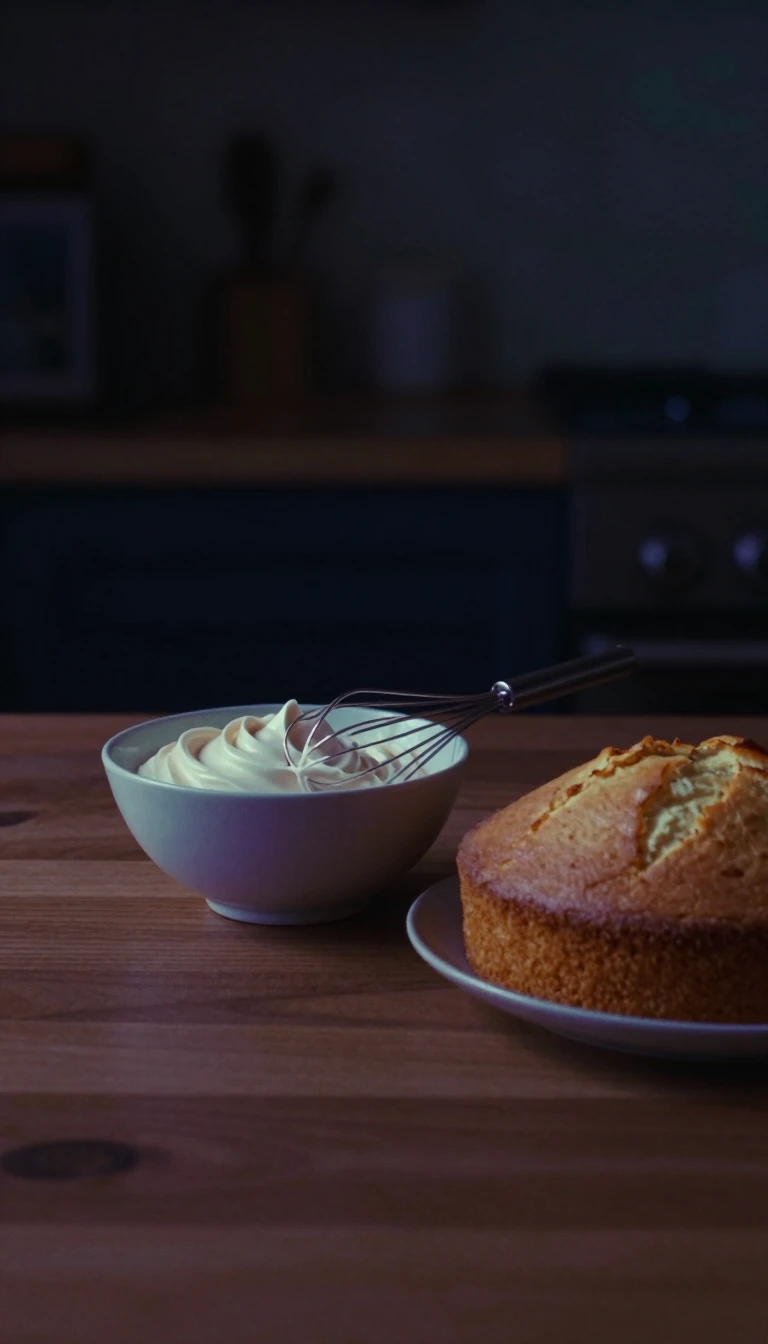
In short: The tradition of topping a cake with candles and making a wish is a ritual steeped in centuries of history. From 18th-century German celebrations to modern superstitions about breath and luck, the act of extinguishing flames has evolved from a simple party feature into a global cultural phenomenon.
The modern birthday cake, typically a decorated layer cake, has roots tracing back to ancient Roman circles of flour, nuts, and honey. However, the specific ritual of placing candles on a cake emerged in 18th-century Germany. A notable early instance occurred in 1746 at a party for Count Ludwig von Zinzendorf in Marienborn, where a massive cake featured candles representing the celebrant's age. By the 19th century, this practice was well-established; in 1801, Johann Wolfgang von Goethe observed a cake for Prince August of Saxe-Gotha-Altenburg adorned with fifty flaming candles.
The custom of blowing out these candles to secure a wish is a later development, documented in Switzerland by 1881. While the exact origins of the candle ritual remain debated, some link it to the Greek goddess Artemis, though this connection lacks historical evidence. In Germany, the tradition was closely tied to Kinderfest, where children were protected by adults from evil spirits. Originally, these cakes were reserved for the wealthy, but the Industrial Revolution eventually made them accessible to the broader population.
Today, the ritual varies widely across the globe. In Denmark, 'kagemand' cakes shaped like people are served without candles, while in Russia, fruit pies with inscribed greetings are common. In the United States, the tradition of blowing out all candles in a single breath to ensure a wish comes true is a staple of the 20th-century celebration. While researchers at Clemson University found in 2017 that this act can increase bacteria on frosting by 14 times, they concluded it poses no significant health concern.
Beyond the candles, cakes often carry symbolic weight. English traditions once involved baking coins into cakes to signify future financial success, while Egyptian celebrations often feature two cakes, one with candles and one without. Whether through the Swedish marzipan-topped pound cake or the Chinese lotus-paste-filled peach bun, the birthday cake remains a universal vessel for marking the passage of time.
Opens the Intellect+ feed with this card first. Swipe up for the next one.
Sources
- Summary by Intellect · source: Birthday cake
To cite this card, link to https://intellectplus.co.uk/app/food-birthday-cake.
How we source, check and correct cards: Editorial standards.
General information, not professional advice. Spotted an error? Flag the card or see corrections and complaints.
Intellect Plus is a visual educational discovery platform for exploring fascinating facts and ideas. Brain Food, Not Brain Rot. What is Intellect Plus?
Related
More in Cooking, food and drink · More in Food & Drink · Latest · A–Z · All topics
