Why a hidden bean in your cake once made you royalty for the night
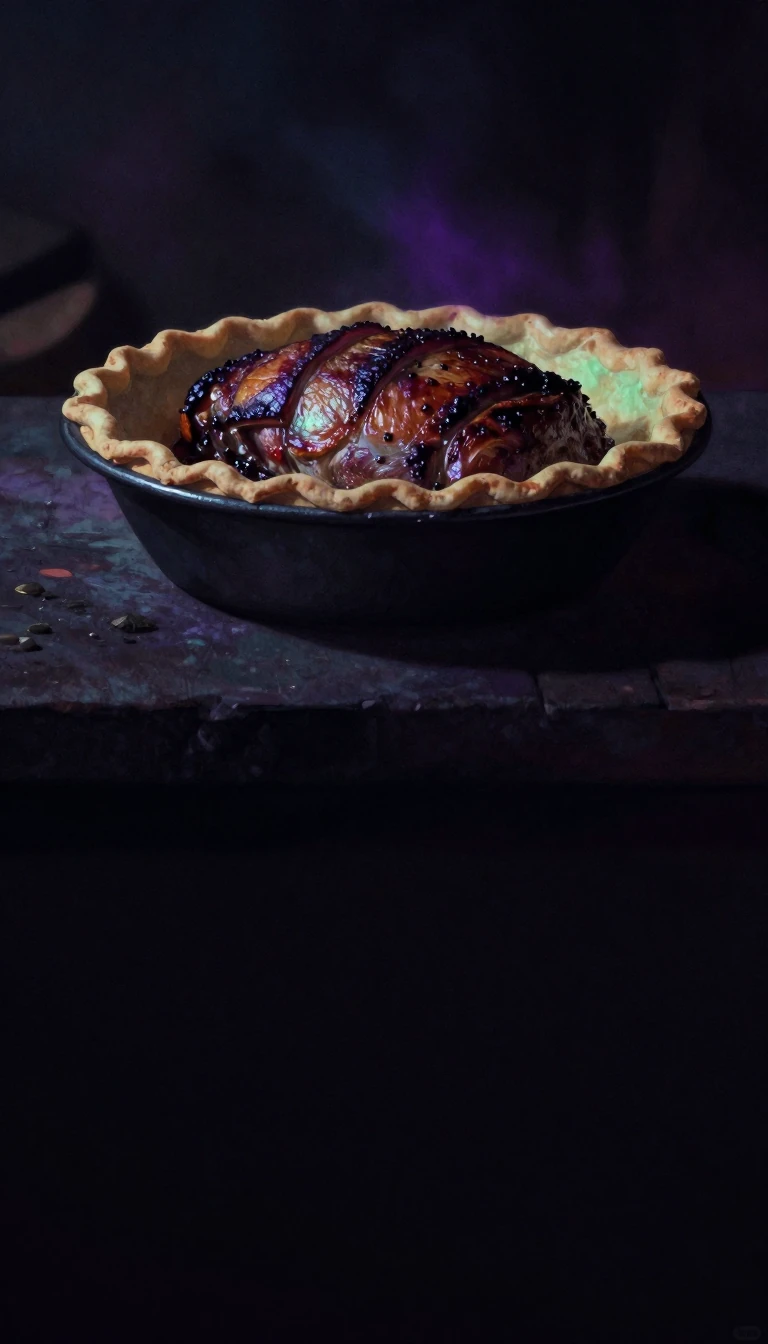
In short: The king cake is a global tradition spanning centuries, from Roman festivals to modern Mardi Gras celebrations. Whether it contains a fava bean, a porcelain figurine, or a plastic baby, the ritual remains the same: find the hidden object and earn a title, a prize, or a future responsibility.
The origins of the king cake are often traced back to the Roman Saturnalia, a festival honoring Saturn that celebrated the lengthening days following the winter solstice. This ancient custom of selecting a king through a hidden bean likely influenced later traditions, including the Greek vasilopita and the medieval practice where the chosen king was expected to provide a round of drinks for the assembly. Over time, the edible bean was replaced by porcelain to prevent cheating, and the cake became deeply intertwined with the Christian celebration of the Epiphany and the Three Kings.
Across Europe, the cake takes many forms. In France, it appears as either the flaky, frangipane-filled galette des rois or the crown-shaped brioche known as the gâteau des rois. Portugal’s bolo-rei, introduced by the Confeitaria Nacional in 1829, features a crown-like shape with a hole in the center, adorned with crystallized fruits and nuts. In Spain and Latin America, the roscón de reyes is often oval to accommodate large groups, with the hidden figurine representing the Christ Child, symbolizing the flight of the Holy Family from Herod’s Massacre of the Innocents.
In the United Kingdom, the Twelfth Night cake was once a staple of the holiday season. Samuel Pepys famously documented a 1659/1660 party where the cake determined the 'King' and 'Queen' for the evening. However, the Industrial Revolution and the rise of the Victorian Christmas cake caused its popularity to wane. A rare survival is the 'Baddeley Cake' at London's Drury Lane Theatre, a tradition established by actor Robert Baddeley’s will, which has been missed only 13 times in over two centuries.
In the United States, the Mardi Gras king cake became a cultural icon in New Orleans, characterized by its purple, green, and gold decorations. While some suggest it arrived with Basque settlers in 1718, others point to 1870. Today, the ritual of hiding a plastic baby persists, though many bakers now place it outside the cake to avoid liability for choking hazards.
Opens the Intellect+ feed with this card first. Swipe up for the next one.
Sources
- Summary by Intellect · source: King cake
To cite this card, link to https://intellectplus.co.uk/app/society-king-cake.
How we source, check and correct cards: Editorial standards.
General information, not professional advice. Spotted an error? Flag the card or see corrections and complaints.
Intellect Plus is a visual educational discovery platform for exploring fascinating facts and ideas. Brain Food, Not Brain Rot. What is Intellect Plus?
Related
More in Household items · More in Society · Latest · A–Z · All topics
