The buttermilk in your fridge is likely a modern, lab-perfected impostor
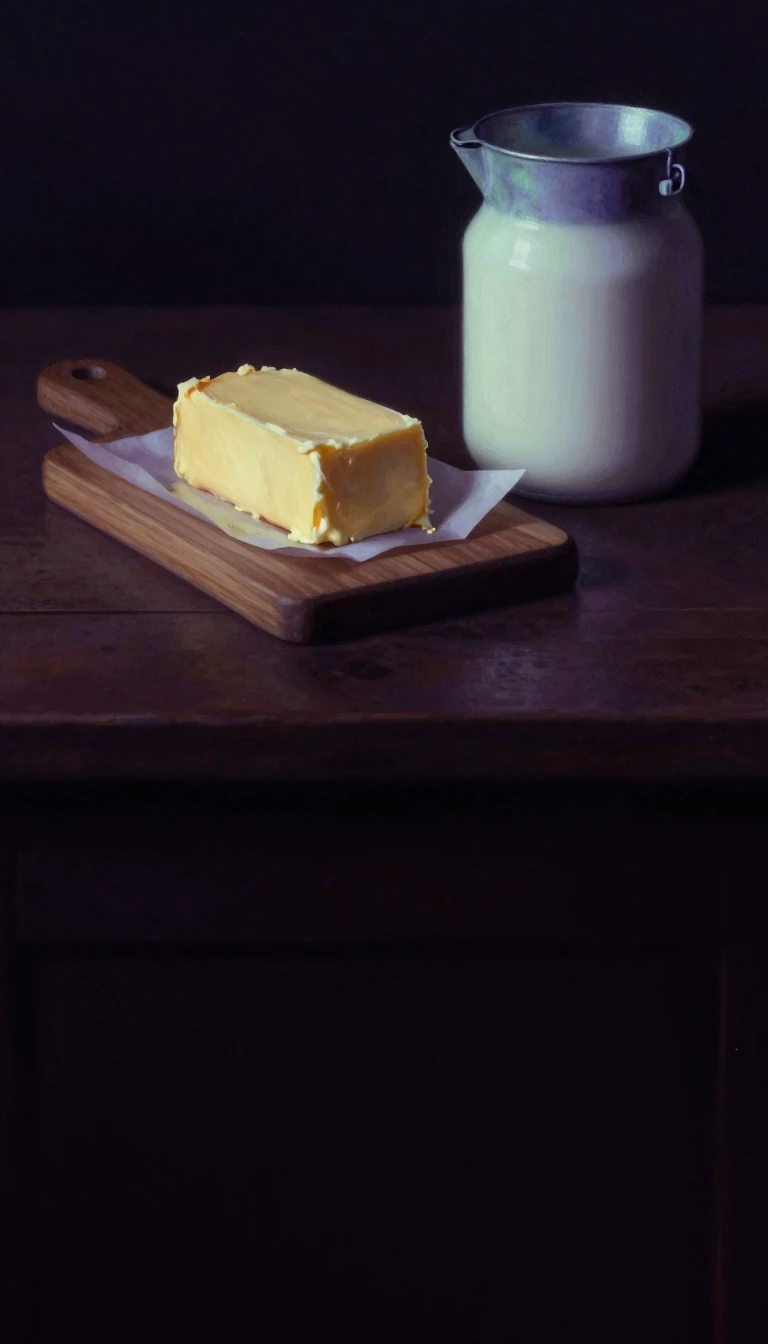
In short: Traditional buttermilk was a byproduct of churning butter, a thin liquid left behind after cream was processed. Today, what we buy is a thick, cultured dairy drink designed to mimic that ancient flavor. It is a triumph of industrial food science, yet its popularity has plummeted since the 1960s.
Historically, buttermilk was the nearly fat-free liquid remaining after cream was churned into butter. Because raw milk was left to stand, natural bacteria fermented the cream, creating an acidic environment that helped fat coalesce more easily and prevented spoilage. This traditional method was essential before the advent of refrigeration, as the acidity acted as a natural preservative. In many parts of the world, including South Asia and the Middle East, this traditional form remains a staple, often consumed as a cooling beverage.
In contrast, modern commercial buttermilk is a deliberate creation. Introduced in the United States in the 1920s, it is produced by inoculating pasteurized, homogenized milk with specific bacterial cultures like Lactococcus lactis or Lactobacillus bulgaricus. These bacteria ferment lactose into lactic acid, which thickens the milk by causing casein proteins to precipitate. To replicate the rich profile of traditional versions, manufacturers often add Leuconostoc citrovorum to enhance the buttery quality. While this cultured version is thicker than its traditional predecessor, it serves the same functional roles in cooking, particularly in baking where the acid reacts with baking soda to create carbon dioxide for leavening.
The trajectory of buttermilk consumption reflects shifting dietary habits. In 1960, annual sales in the United States peaked at 517,000,000 kg. By 2012, that figure had dropped to less than half. Despite this decline in beverage consumption, buttermilk remains vital to the food industry. Condensed and dried forms are ubiquitous in commercial pancake mixes, ice cream, and cheese production. For the home cook, powdered buttermilk offers a convenient way to add tang and structure to marinades or baked goods without the moisture of liquid milk. Whether used as a coffee creamer or a base for Creole cream cheese, this ancient byproduct has been successfully repurposed for the modern pantry.
Opens the Intellect+ feed with this card first. Swipe up for the next one.
Sources
- Summary by Intellect · source: Buttermilk
To cite this card, link to https://intellectplus.co.uk/app/food-buttermilk.
How we source, check and correct cards: Editorial standards.
General information, not professional advice. Spotted an error? Flag the card or see corrections and complaints.
Intellect Plus is a visual educational discovery platform for exploring fascinating facts and ideas. Brain Food, Not Brain Rot. What is Intellect Plus?
Related
More in Cooking, food and drink · More in Food & Drink · Latest · A–Z · All topics
