The accidental science of the tin can: how Napoleon’s army changed global food forever
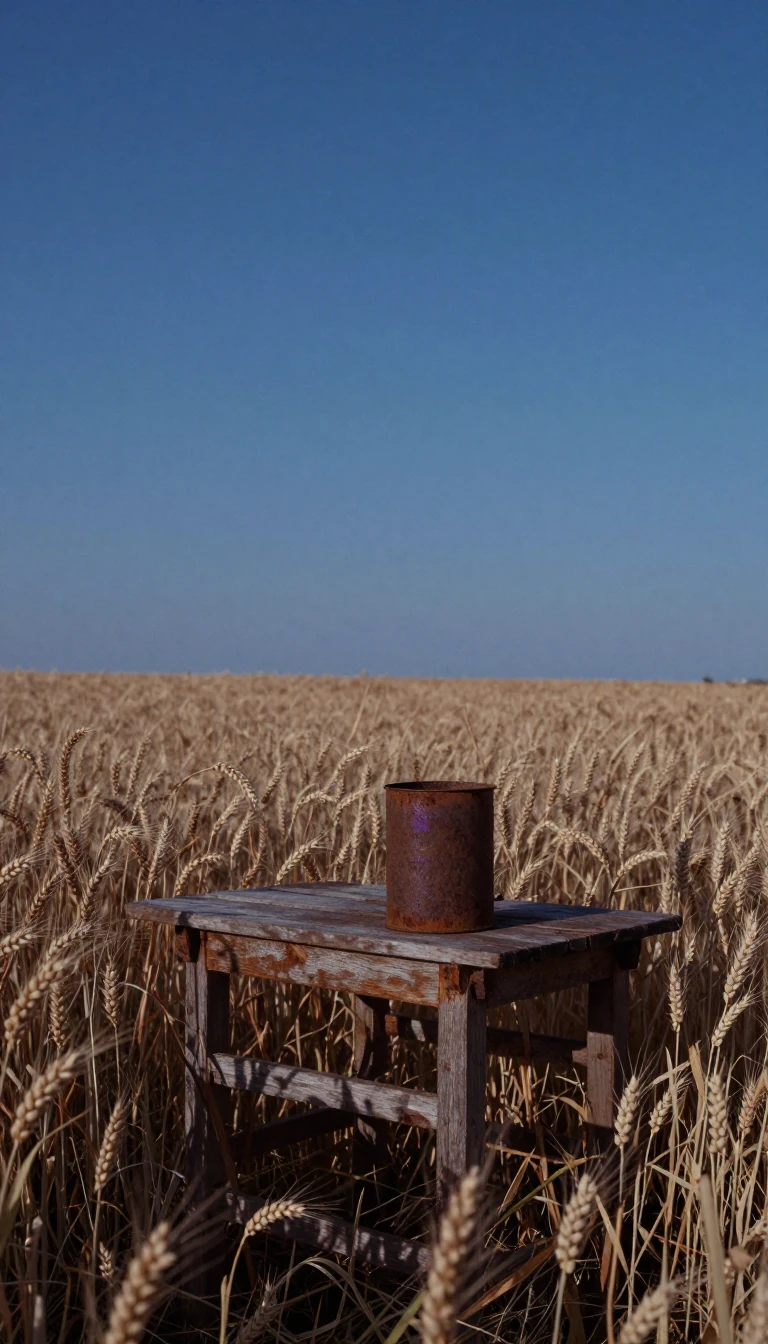
In short: Canning was born from a French government prize during the Napoleonic Wars, seeking a way to feed massive armies. While the inventor, Nicolas Appert, didn't understand the microbial science behind his process, his pressurized sterilization method remains the only reliable way to prevent botulism and ensure long-term food safety.
The modern canning industry traces its origins to 1795, when Nicolas Appert began experimenting with preserving fish in jars by boiling them. In January 1810, he won a 12,000-franc prize from the French government, which desperately needed stable food supplies for its expanding armies. While Appert’s method worked, glass jars were fragile for transport. Shortly after, Peter Durand patented the use of tin cans, creating the foundation for the global industry we recognize today. It would take another 50 years before Louis Pasteur identified the role of microbes in spoilage, finally explaining why Appert’s method succeeded.
Canning is a rigorous process because fish have low acidity, making them a prime environment for dangerous bacteria like Clostridium botulinum. To ensure safety, cans must be sterilized at temperatures between 116 and 130 °C, which requires pressurized cooking. Once sealed, the container prevents new microorganisms from entering. This technique allows for a shelf life of one to five years. However, the process is not without its nuances; for example, retort cooking in tuna can retain histamines that produce rancid flavors, though international standards cap these levels at 200 milligrams per kilogram to ensure safety.
The industry evolved significantly in North America, particularly along the Columbia River, where salmon canneries became a dominant force by 1883. Early operations relied on a mix of labor, including Chinese workers and local Native American fishers. Over time, the industry shifted from salting—the primary preservation method at the start of the 19th century—to industrial-scale canning. Today, the practice has become highly standardized, with specific regulations governing everything from the percentage of fish meat in a can to the labeling of species like albacore or yellowfin tuna, reflecting a long history of balancing commercial efficiency with public safety.
Opens the Intellect+ feed with this card first. Swipe up for the next one.
Sources
- Summary by Intellect · source: Canned fish
To cite this card, link to https://intellectplus.co.uk/app/food-canned-fish.
How we source, check and correct cards: Editorial standards.
General information, not professional advice. Spotted an error? Flag the card or see corrections and complaints.
Intellect Plus is a visual educational discovery platform for exploring fascinating facts and ideas. Brain Food, Not Brain Rot. What is Intellect Plus?
Related
More in Cooking, food and drink · More in Food & Drink · Latest · A–Z · All topics
