Carbonara is a modern invention born from the chaos of World War II
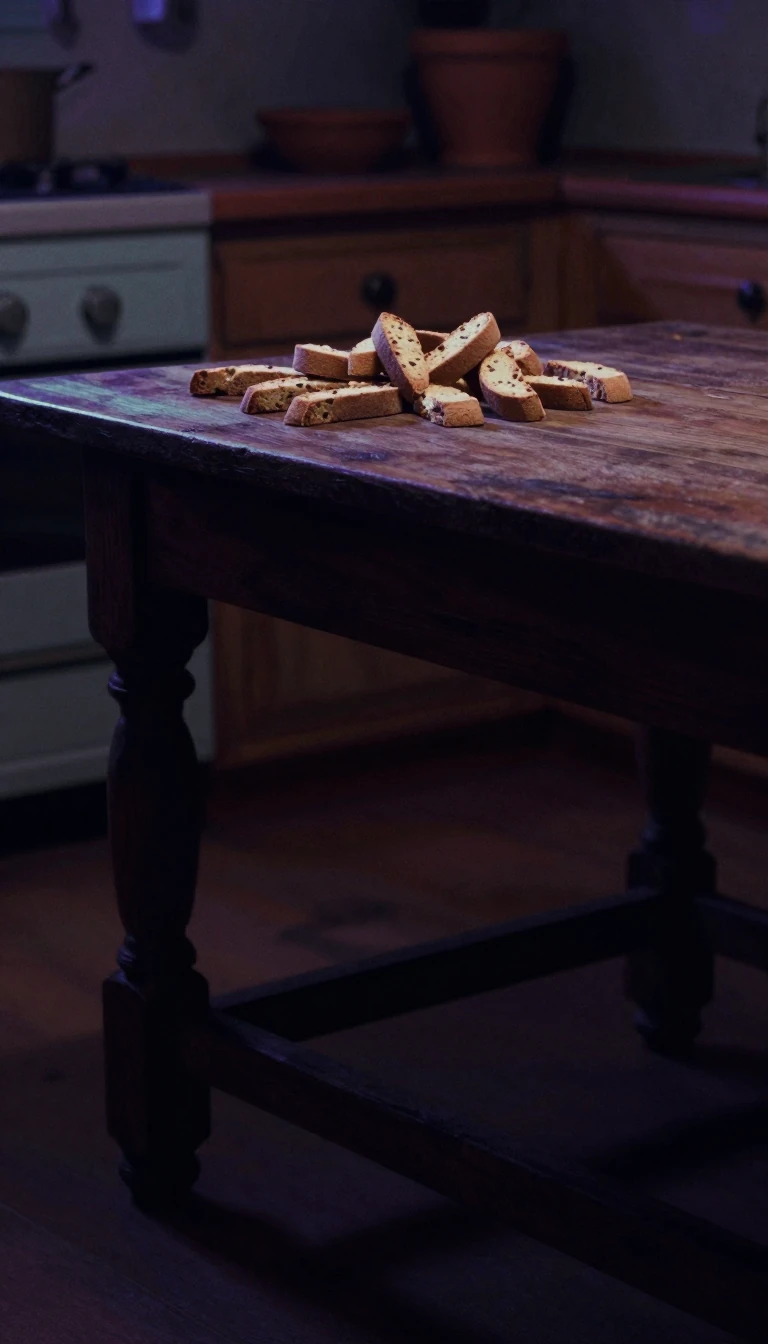
In short: Contrary to the myth of ancient charcoal burners, carbonara is a mid-20th-century creation. Emerging in Rome after the 1944 Allied liberation, the dish likely evolved from a simple bacon-and-egg breakfast requested by American soldiers. It is a classic example of how global conflict can reshape local culinary traditions.
The origins of carbonara are surprisingly recent and heavily debated. While some romanticize the dish as a hearty meal for 19th-century charcoal workers or a tribute to the Carbonari secret society, historical evidence points to a post-World War II emergence. The name and recipe are absent from major Italian cookbooks published as late as 1930 and 1950, such as Ada Boni's 'La cucina romana' and 'Il cucchiaio d'argento'.
Historians like Luca Cesari and Eleonora Cozzella suggest the dish was born from the encounter between Italian cooks and Allied personnel. One popular narrative credits Renato Gualandi, an Italian Army cook, with creating the dish in 1944 using American rations like bacon, cream, cheese, and powdered egg yolks. This aligns with the theory that the dish evolved from a 'spaghetti breakfast'—a combination of bacon and eggs that was more familiar to American and British soldiers than to the local Roman population at the time.
The first printed recipe appeared in a 1952 Chicago cookbook, leading some academics to argue that the dish has American roots. Once introduced to Italy, the recipe underwent significant evolution. Early Italian versions often included garlic, pancetta, and even Gruyère or cream. The 'canonical' version featuring guanciale and pecorino romano only solidified later, with the widespread removal of cream occurring as recently as the 1990s. Experts suggest this shift was driven by a desire to align the dish with an idealized, rustic Italian identity.
Today, carbonara remains a subject of intense culinary scrutiny. While traditionalists insist on specific ingredients like guanciale and pecorino, the dish's history proves it was always a flexible, evolving creation. From its humble beginnings as a wartime fusion to its current status as a global staple, carbonara serves as a reminder that even the most 'authentic' traditions are often the product of recent, cross-cultural exchange.
Opens the Intellect+ feed with this card first. Swipe up for the next one.
Sources
- Summary by Intellect · source: Carbonara
To cite this card, link to https://intellectplus.co.uk/app/food-carbonara.
How we source, check and correct cards: Editorial standards.
General information, not professional advice. Spotted an error? Flag the card or see corrections and complaints.
Intellect Plus is a visual educational discovery platform for exploring fascinating facts and ideas. Brain Food, Not Brain Rot. What is Intellect Plus?
Related
More in Cooking, food and drink · More in Food & Drink · Latest · A–Z · All topics
