From ancient agricultural texts to modern global staples, what defines Chinese sausage?
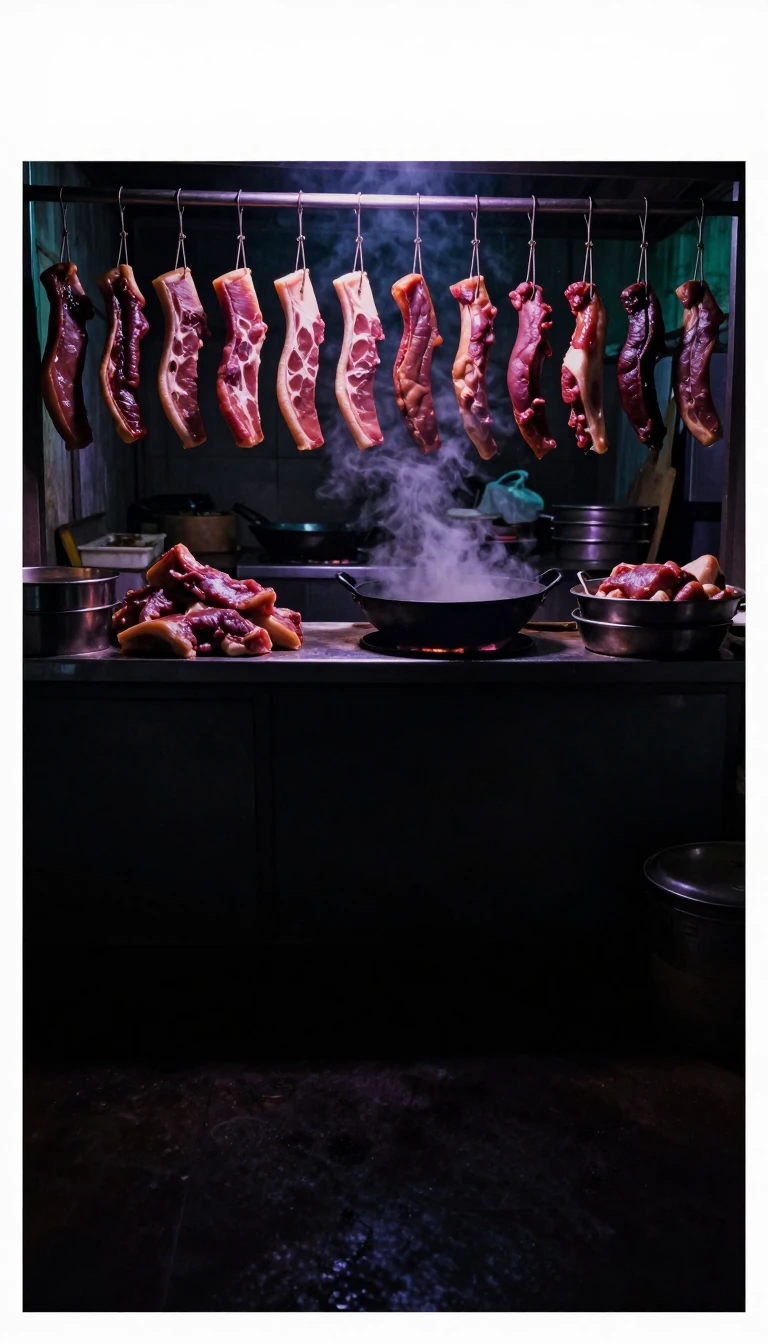
In short: Chinese sausage is far more than a single recipe. From the sweet, cured lap cheong of the south to the smoked, savory red sausages of Harbin, this diverse category of preserved meat has evolved over centuries, shaping culinary traditions across Asia and beyond through unique drying and seasoning techniques.
The origins of Chinese sausage are deeply rooted in history, with evidence suggesting the practice dates back to the Northern Wei period or earlier. The earliest documented methodology appears in the Qimin Yaoshu, an ancient agricultural text. Traditionally, these sausages are crafted by stuffing seasoned pork—often a specific ratio of lean meat to fat—into natural animal intestine casings, then preserving them through air-drying.
Regional variations are vast and reflect local palates. In southern China, lap cheong is a hallmark of Cantonese cuisine, characterized by its sweet, cured profile seasoned with rice wine, soy sauce, and rose water. Conversely, the Harbin-style sausage, or hongchang, emerged in 1909 via the Churin Sausage Factory. This northern specialty draws inspiration from European traditions, resulting in a smoked, savory product that mirrors Polish kielbasa. Other varieties include the liver-based yun chang and the glutinous rice-filled nuomi chang.
Modern production has introduced significant changes, shifting from traditional air-drying to hot-air drying for efficiency and replacing natural casings with artificial alternatives. While these innovations have made the product widely available, they have also raised concerns regarding food safety. Reports have occasionally surfaced involving the use of illicit additives, such as the banned dye rhodamine B, or the use of meat from animals of unknown health status, prompting increased scrutiny of manufacturing standards.
Today, Chinese sausage is a global ingredient, adapted by diaspora communities from Hawaii to Suriname. Whether steamed atop claypot rice, sliced into stir-fries, or incorporated into local dishes like Thai yam kun chiang, its ability to infuse fat and aroma into a meal remains its defining characteristic. As production moves into local markets outside China, manufacturers in places like Vancouver and Toronto continue to adapt these ancient techniques for contemporary consumers.
Opens the Intellect+ feed with this card first. Swipe up for the next one.
Sources
- Summary by Intellect · source: Chinese sausage
To cite this card, link to https://intellectplus.co.uk/app/food-chinese-sausage.
How we source, check and correct cards: Editorial standards.
General information, not professional advice. Spotted an error? Flag the card or see corrections and complaints.
Intellect Plus is a visual educational discovery platform for exploring fascinating facts and ideas. Brain Food, Not Brain Rot. What is Intellect Plus?
Related
More in Cooking, food and drink · More in Food & Drink · Latest · A–Z · All topics
