From fermented pastes to sweet glazes, chili condiments define global culinary identities.
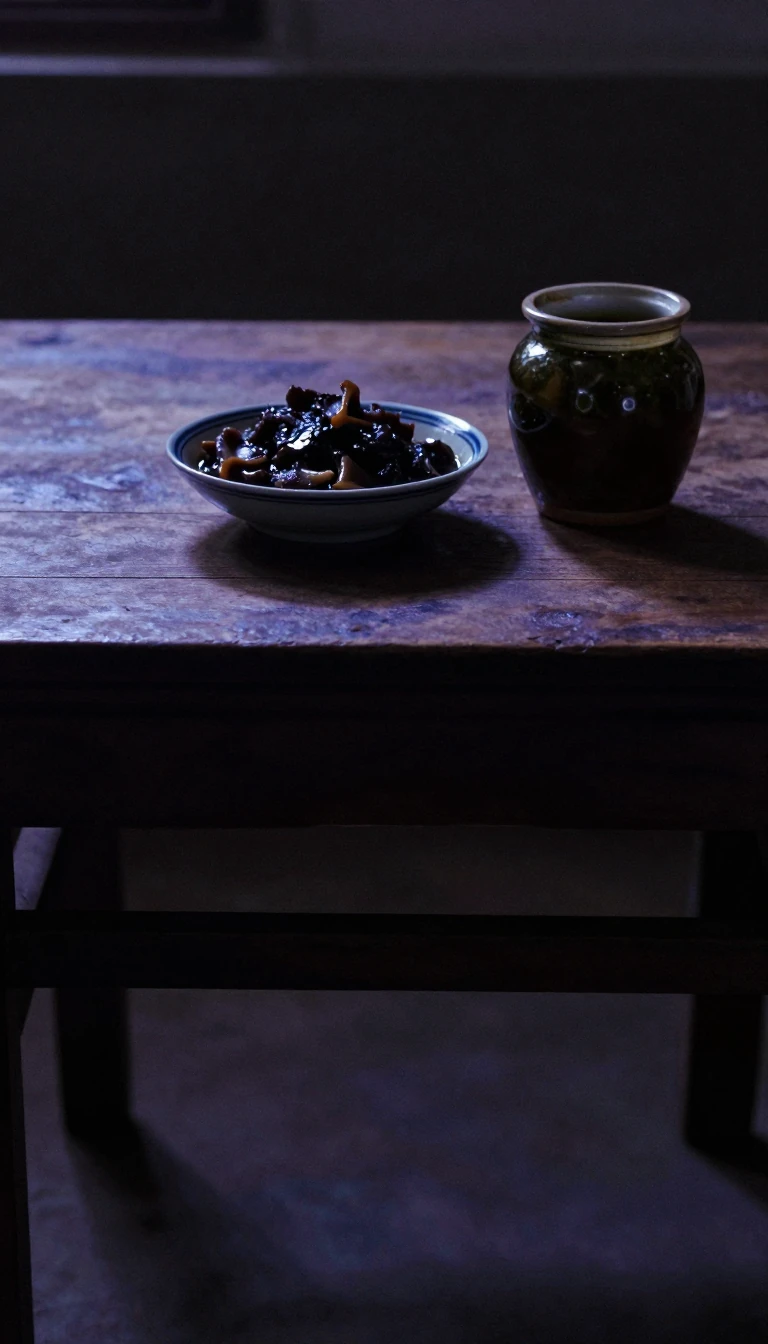
In short: Chili peppers are the world's most versatile flavor engine. Whether fermented for years in Korean earthenware, pounded into Thai pastes, or infused into Sichuan oils, these condiments transform simple ingredients into complex meals. Discover the hidden history and regional chemistry behind the world's most essential spicy pantry staples.
Chili condiments are broadly divided into sauces and pastes, though the distinction often blurs across cultures. Chili paste typically centers on the pepper itself as the primary ingredient, sometimes undergoing fermentation to develop depth. For instance, Korean gochujang relies on a complex process involving glutinous rice, barley malt, and meju—a fermented soybean powder—traditionally aged in earthenware vessels called jangdok. In contrast, Chinese doubanjiang from Sichuan utilizes broad beans or soybeans, while Japanese yuzu koshō pairs peppers with citrus peel and salt to create a distinct, fermented profile.
Sauces often prioritize texture and balance, frequently incorporating vinegar, sugar, and salt to achieve a specific viscosity. Thai sweet chili sauce and the Filipino agre dulce demonstrate how sugar and tomato or banana ketchup can temper the heat of labuyo chilis, creating versatile glazes for fried foods. Meanwhile, commercial varieties in Indonesia and Malaysia, known as saus cabai, often adopt a smoother, gloppier consistency that mimics tomato ketchup, differing significantly from the coarse, shrimp-paste-enriched traditional sambal made with a mortar and pestle.
The chemistry of these condiments is deeply tied to regional preparation methods. Sichuan chili oil, for example, is crafted by pouring hot oil over dried chilies, extracting fragrance and flavor through heat. In the Middle East and North Africa, harissa—a staple in Tunisia—combines birdseye chili peppers with olive oil, garlic, and spices like cumin or coriander to create a grainy, potent paste. Whether it is the Nepalese nun-khursani ground on a stone silauto or the Hong Kong-born XO sauce, these condiments are not merely heat sources; they are cultural signatures that reflect local agricultural availability and centuries of culinary evolution.
The global spread of these flavors is relatively recent in some regions. While chili peppers arrived in South Asia via Portuguese trade in the sixteenth century, hot sauces did not become common there until recent decades. Today, the diversity of these products—from the crunchy chili crisp of Guizhou to the tomato-based daqoos of Eastern Arabia—highlights how a single botanical ingredient can be manipulated through fermentation, roasting, and grinding to suit vastly different palates.
Opens the Intellect+ feed with this card first. Swipe up for the next one.
Sources
- Summary by Intellect · source: Chili sauce and paste
To cite this card, link to https://intellectplus.co.uk/app/food-chili-sauce-and-paste.
How we source, check and correct cards: Editorial standards.
General information, not professional advice. Spotted an error? Flag the card or see corrections and complaints.
Intellect Plus is a visual educational discovery platform for exploring fascinating facts and ideas. Brain Food, Not Brain Rot. What is Intellect Plus?
Related
More in Cooking, food and drink · More in Food & Drink · Latest · A–Z · All topics
