The accidental cheese that traded complex aging for a moister bite
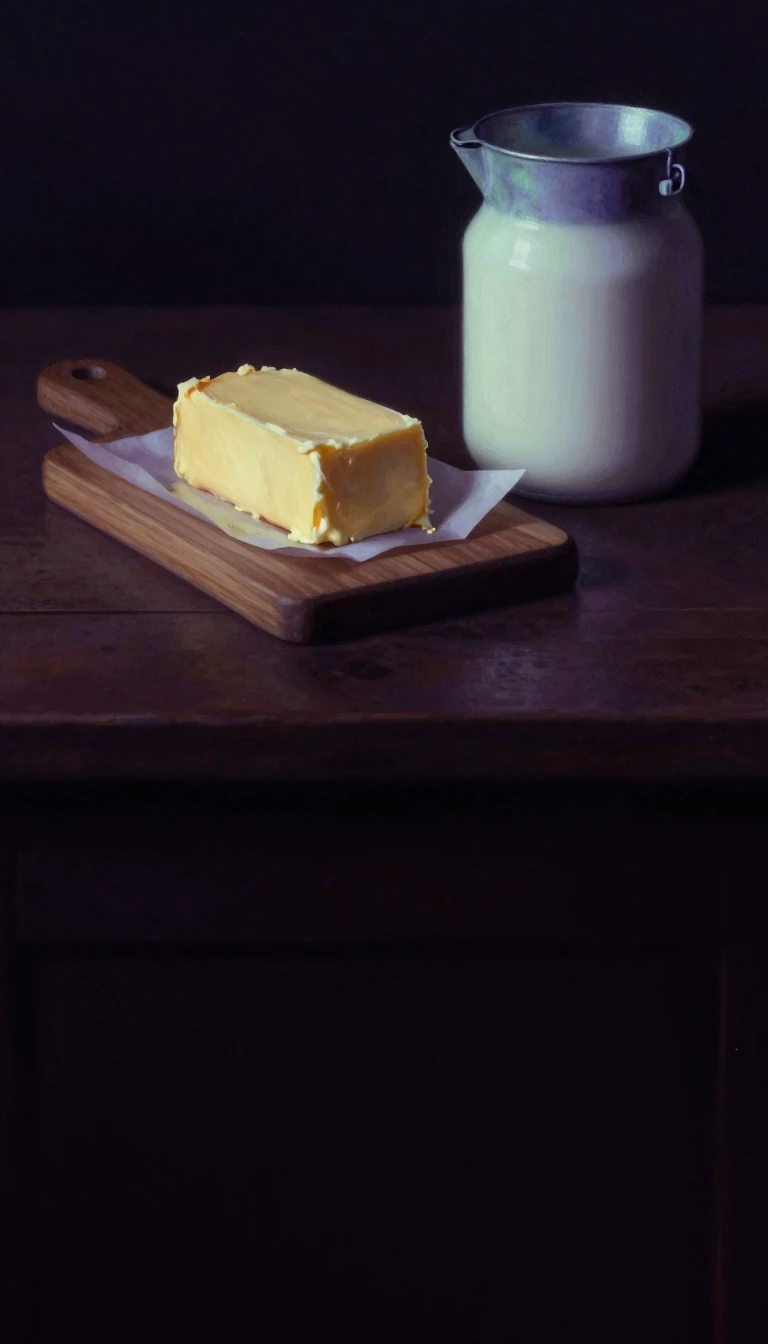
In short: In 1885, a cheesemaker in Wisconsin swapped the rigorous 'cheddaring' process for a simpler method involving cold water. This modification created a softer, moister cheese that bypassed the traditional hurdles of cheddar production. Today, it remains a staple of American snacking, balancing mild flavor with a distinct, elastic texture.
Colby cheese was born from a moment of technical deviation at a factory near Colby, Wisconsin. In 1885, Joseph Steinwand was processing a batch of cheddar when he washed the curd with cold water. While some accounts suggest this was a deliberate experiment following a cheesemaking course, others claim it was an accident caused by neglecting to drain excess moisture. The result was a cheese that lacked the complex structure of cheddar but offered a more supple, moister consistency. Because it avoided the complicated cheddaring process, it gained rapid popularity.
The science of Colby lies in its 'washed-curd' method. Unlike cheddar, where most whey is drained, Colby producers drain only about two-thirds of the whey before adding cold water to bring the temperature down to about 81 °F (27 °C). This high-pH environment results in a mild, milky flavor and a relatively elastic body. To achieve its iconic orange hue, the mixture receives annatto, a natural coloring agent. Pressure of 10 to 20 psi (69 to 138 kPa) is applied to the cheese during a 16 to 18 hour period, followed by a 2 to 3 month ripening stage.
Despite its success, Colby faces a unique shelf-life challenge. Its higher moisture content means it loses quality faster than harder cheeses, often developing a bitter taste and becoming extremely soft after 100 days; it is generally recommended for consumption within three months. While it has inspired derivatives like the marble-patterned Colby-Jack and the long-aged Pinconning cheese, it remains a subject of legislative debate. Efforts to name Colby the official state cheese of Wisconsin have been stalled since 1998, with critics arguing that such a designation might undermine the sales of other regional staples like mozzarella.
The cheese is also a significant economic driver. Data from 2020 shows 144 facilities generated 1.5 billion lb of 'other American varieties' (comprising Colby) within the United States, according to the USDA. Wisconsin led this category with 320 million lb produced at 44 plants. For the city of Colby, the cheese is more than a product; it is a cultural pillar, celebrated annually since 1965 during 'Colby Cheese Days'.
Opens the Intellect+ feed with this card first. Swipe up for the next one.
Sources
- Summary by Intellect · source: Colby cheese
To cite this card, link to https://intellectplus.co.uk/app/food-colby-cheese.
How we source, check and correct cards: Editorial standards.
General information, not professional advice. Spotted an error? Flag the card or see corrections and complaints.
Intellect Plus is a visual educational discovery platform for exploring fascinating facts and ideas. Brain Food, Not Brain Rot. What is Intellect Plus?
Related
More in Cooking, food and drink · More in Food & Drink · Latest · A–Z · All topics
