The global staple that powers half the world is surprisingly simple to master
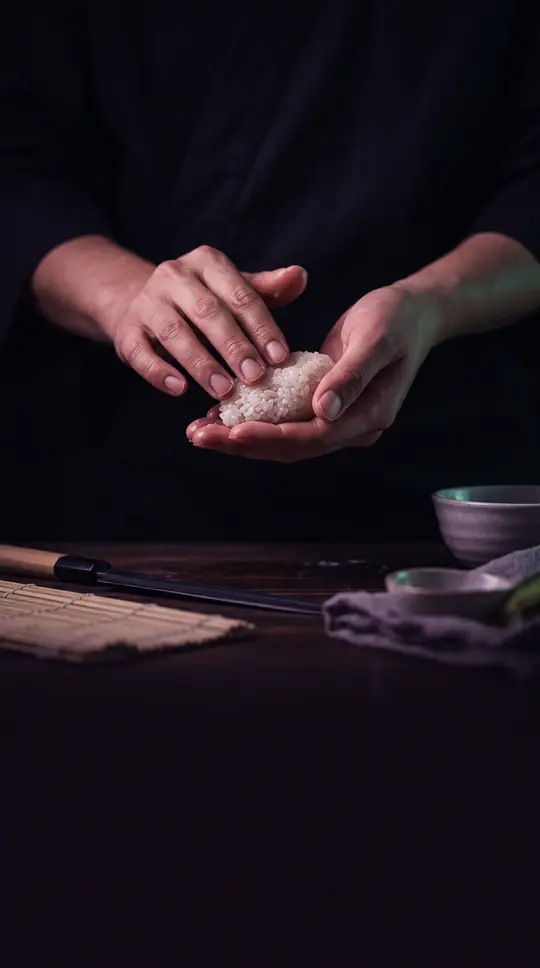
In short: Rice is the most consumed foodstuff on the planet, serving as the foundational base for everything from sushi to congee. Whether you prefer long-grain, short-grain, or wild varieties, mastering the transformation of raw grains into fluffy, cooked rice is a fundamental culinary skill that relies on water, heat, and timing.
At its core, cooking rice is a process of hydration. Whether you choose to steam or boil the grain, the objective is to allow the rice to absorb water, which significantly increases both its volume and mass. While the U.S. Department of Agriculture categorizes rice within the grains food group, its versatility is unmatched. It serves as a neutral canvas for dishes ranging from the fermented tang of sushi rice—seasoned with sugar and vinegar—to the comforting, thick consistency of rice porridges like congee or juk.
The technique you choose often depends on the specific variety of rice. For less glutinous types like basmati, a boiling method where excess water is strained away works well. However, this approach is unsuitable for stickier japonica varieties, which require more precise water ratios. For these, a common method involves bringing the water to a rolling boil, then reducing the heat to a simmer with the lid firmly in place. Once the heat is turned off, the rice continues to steam using residual heat, ensuring a consistent texture throughout the pot.
Preparation often begins before the heat is even applied. Rinsing and soaking are standard practices, with unpolished brown rice typically requiring a longer soak than milled white rice. Variables such as the harvest date and the firmness of the grain dictate how much water is needed; newly harvested rice often requires less liquid. Today, electric rice cookers have simplified this process, but the fundamental principles remain the same. Nutritionally, a 200-gram serving of steamed white rice provides a significant portion of daily grain recommendations while offering essential micronutrients like zinc and manganese. Whether served in individual bowls in East Asia or as a base for fried rice and beans, this humble grain remains a cornerstone of global nutrition.
Beyond its role as a primary dish, cooked rice is a master of adaptation. Leftover steamed rice is rarely wasted, frequently repurposed into fried rice dishes or transformed into porridge. This efficiency highlights why rice has become such a pervasive staple across Asia, Latin America, and beyond, proving that a simple grain can sustain entire populations while offering endless culinary variety.
Opens the Intellect+ feed with this card first. Swipe up for the next one.
Sources
- Summary by Intellect · source: Cooked rice
To cite this card, link to https://intellectplus.co.uk/app/food-cooked-rice.
How we source, check and correct cards: Editorial standards.
General information, not professional advice. Spotted an error? Flag the card or see corrections and complaints.
Intellect Plus is a visual educational discovery platform for exploring fascinating facts and ideas. Brain Food, Not Brain Rot. What is Intellect Plus?
Related
More in Cooking, food and drink · More in Food & Drink · Latest · A–Z · All topics
