The term cupcake once described a method of measurement, not just a small cake.
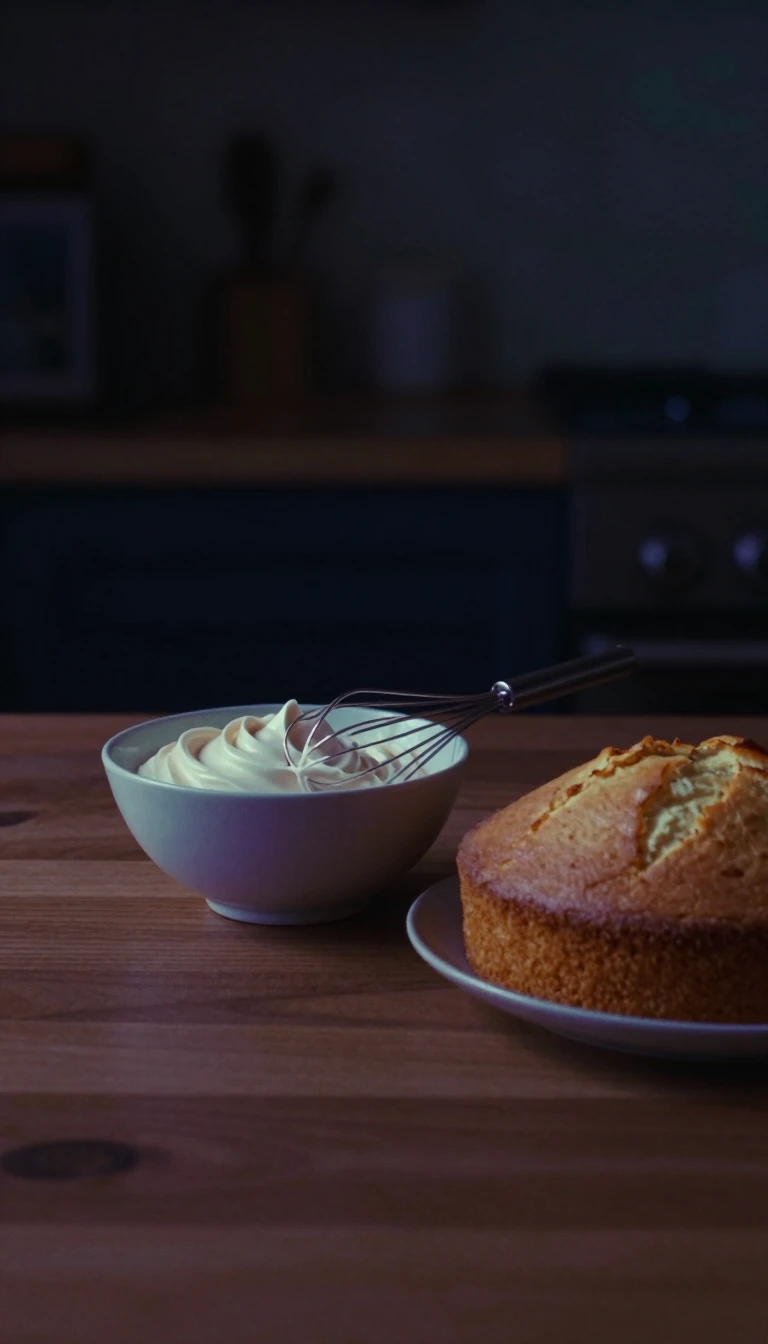
In short: Before muffin tins became the standard, the term cupcake referred to two distinct things: cakes baked in individual cups and cakes whose ingredients were measured by volume using a standard cup. This simple, efficient baking method evolved from humble pottery origins into a global phenomenon of specialized, gourmet retail shops.
The earliest known reference to a cupcake appears in Amelia Simmons' 1796 American Cookery, which described a light cake baked in small cups. By 1828, Eliza Leslie’s cookbook provided the first documentation of the term itself. In the early 19th century, the name served two purposes. One referred to the vessel—pottery cups or ramekins—used for baking individual portions. The other, often called a 1234 or quarter cake, signaled a specific volume-based recipe: one cup of butter, two of sugar, three of flour, and four eggs. This method was distinct from the weight-based approach used for traditional pound cakes.
Modern cupcakes rely on efficient heat conduction due to their small size, allowing for faster baking than whole cakes. While they were originally baked in heavy pottery, the 21st-century standard involves metal muffin tins with six or twelve depressions. The introduction of paper liners, or patty cases, has since improved sanitation, moisture retention, and ease of cleanup. These liners come in various sizes, with miniature cases typically measuring 27 to 30 millimetres at the base, while standard cases range from 45 to 53 millimetres.
The cupcake’s cultural footprint extends beyond the kitchen. In 1908, Ida Freund, the first female chemistry lecturer at Cambridge University, used a periodic table of cupcakes as a pedagogical tool for her students. By the early 2000s, the United States saw a surge in specialized bakeries, fueled by nostalgia and media exposure. Chains like Crumbs Bake Shop saw stock prices peak in 2011 before facing increased competition, while others like Sprinkles Cupcakes innovated with automated cupcake ATMs. Today, the cupcake remains a versatile canvas for everything from simple home baking to elaborate, gourmet flavor themes.
The evolution of the cupcake also includes creative variants like the butterfly cake, which uses split tops to resemble wings, and the cupcone, baked directly inside an ice cream cone. Whether through the rise of reality television shows like DC Cupcakes or the commercialization of themed cupcake kits introduced by companies like Meri Meri in 2008, the cupcake has solidified its place as a staple of modern celebration.
Opens the Intellect+ feed with this card first. Swipe up for the next one.
Sources
- Summary by Intellect · source: Cupcake
To cite this card, link to https://intellectplus.co.uk/app/food-cupcake.
How we source, check and correct cards: Editorial standards.
General information, not professional advice. Spotted an error? Flag the card or see corrections and complaints.
Intellect Plus is a visual educational discovery platform for exploring fascinating facts and ideas. Brain Food, Not Brain Rot. What is Intellect Plus?
Related
More in Cooking, food and drink · More in Food & Drink · Latest · A–Z · All topics
