Why the perfect custard is a delicate dance between protein and heat
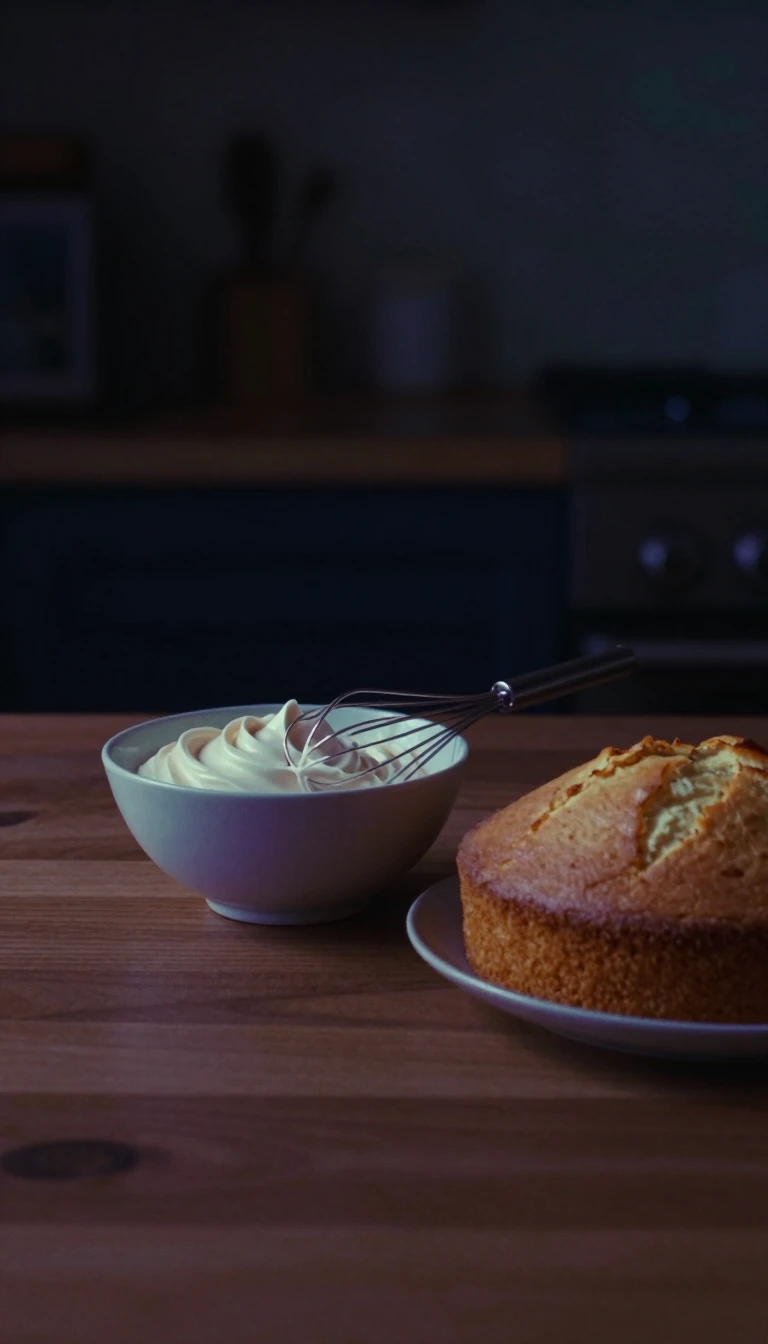
In short: Custard is a culinary paradox. It is a simple mixture of milk, sugar, and eggs, yet it is notoriously temperamental. A temperature shift of just a few degrees can turn a silky, luxurious sauce into a curdled mess. Understanding the science behind this transformation reveals why precision is everything.
At its core, custard is a study in protein coagulation. When eggs are heated, their proteins denature and bond to form a gel structure, transforming liquid milk into a thickened, viscous dish. This process is highly sensitive; while the mixture begins to set at 70 °C (158 °F), it must not exceed 80 °C (176 °F). If the temperature rises by even 3–6 °C beyond this point, the proteins over-coagulate, leading to syneresis—the separation of liquid from the solid—which results in the dreaded curdling.
To manage this volatility, chefs often use a bain-marie, or water bath, to slow the rate of heat transfer. For those seeking more stability, adding starch—such as cornflour—acts as a heat buffer. As starch hydrates, it absorbs energy, helping to maintain a more constant temperature and preventing the eggs from curdling prematurely. This starch-thickened version is known as pastry cream, or crème pâtissière, a staple in French desserts like mille-feuille. Interestingly, egg yolks contain amylase, an enzyme that can break down this added starch, which contributes to the custard's characteristic thinning sensation in the mouth.
The chemistry of custard extends beyond simple heating. The pH of the mixture is critical; if the acidity is too high, with a pH below 5, the gel structure struggles to form because protonation prevents the necessary covalent bonds from developing. Conversely, a pH of 9 or higher results in a gel that is far too hard. Once cooked, custard is a thixotropic, weak gel. Unlike many other thixotropic substances, it does not recover its viscosity once stirred. However, uncooked imitation custard powder—essentially starch and water—exhibits the opposite property, becoming more resistant under pressure, which allows for the famous demonstration of walking on custard.
Opens the Intellect+ feed with this card first. Swipe up for the next one.
Sources
- Summary by Intellect · source: Custard
To cite this card, link to https://intellectplus.co.uk/app/food-custard.
How we source, check and correct cards: Editorial standards.
General information, not professional advice. Spotted an error? Flag the card or see corrections and complaints.
Intellect Plus is a visual educational discovery platform for exploring fascinating facts and ideas. Brain Food, Not Brain Rot. What is Intellect Plus?
Related
More in Cooking, food and drink · More in Food & Drink · Latest · A–Z · All topics
