Dough is more than just flour and water; it is a complex physical structure.
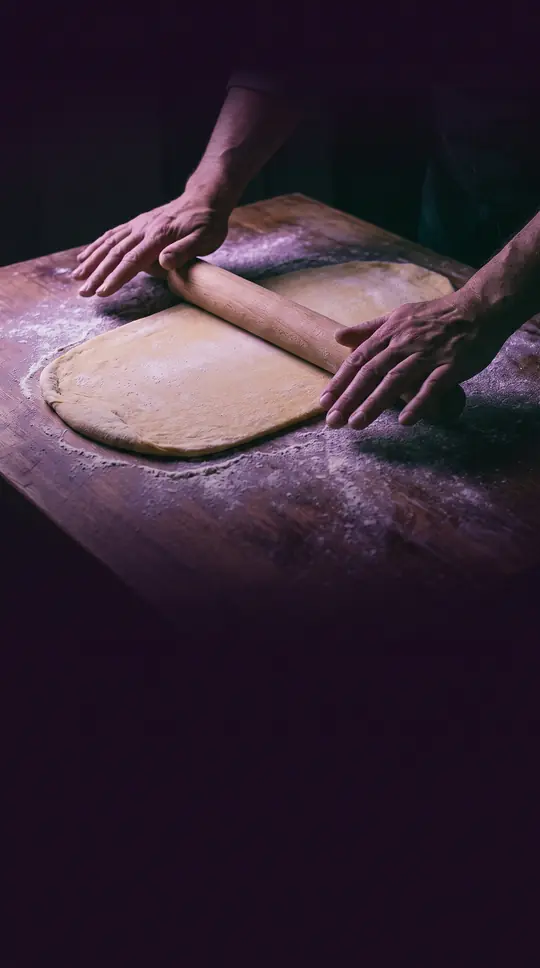
In short: While we think of dough as a simple kitchen staple, it is actually a versatile, viscoelastic paste. From the delicate layers of laminated pastry to the dense, gluten-rich structures of bread, dough behaves according to precise chemical rules. Understanding these mechanics transforms how you approach everything from pasta to puff pastry.
At its core, dough is a malleable mixture of flour or meal combined with liquid. While there is no formal definition, most doughs are defined by their viscoelastic properties, which allow them to be shaped and stretched. The primary architect of this structure is gluten, a protein network that provides elasticity and texture. In traditional bread making, kneading is the mechanical process used to develop this gluten, though high-hydration doughs like ciabatta may rely on folding techniques instead. For those avoiding gluten, structure is achieved through the gelatinization of starches, as seen in rice noodles.
The behavior of dough is heavily influenced by its ingredients. Fats, for instance, inhibit gluten development, resulting in what bakers call 'short' doughs, such as shortcrust pastry or cookies, which are less elastic and prone to toughness if overworked. Enriched doughs, like brioche, incorporate eggs, milk, or sugar to alter the final texture. Meanwhile, leavening agents dictate the rise; yeast-based doughs require careful management of time and temperature to ensure fermentation, while quick breads rely on chemical agents like baking powder. Laminated doughs, such as puff pastry, take a different approach, using layers of fat to create steam-leavened pockets during baking.
Techniques vary wildly depending on the desired outcome. An autolyse—resting flour and water before mixing—can improve extensibility, while choux pastry requires cooking ingredients on the stove top to create a thick paste before baking. Whether it is boiled, fried, or baked, dough is a highly adaptable medium. From the 1677 recipe for 'Satin Biscuit' to modern commercial production, the manipulation of these simple ingredients remains a fundamental human achievement in food preparation.
Opens the Intellect+ feed with this card first. Swipe up for the next one.
Sources
- Summary by Intellect · source: Dough
To cite this card, link to https://intellectplus.co.uk/app/food-dough.
How we source, check and correct cards: Editorial standards.
General information, not professional advice. Spotted an error? Flag the card or see corrections and complaints.
Intellect Plus is a visual educational discovery platform for exploring fascinating facts and ideas. Brain Food, Not Brain Rot. What is Intellect Plus?
Related
More in Cooking, food and drink · More in Food & Drink · Latest · A–Z · All topics
