The secret to perfect shortcrust pastry is keeping your ingredients cold and hands off
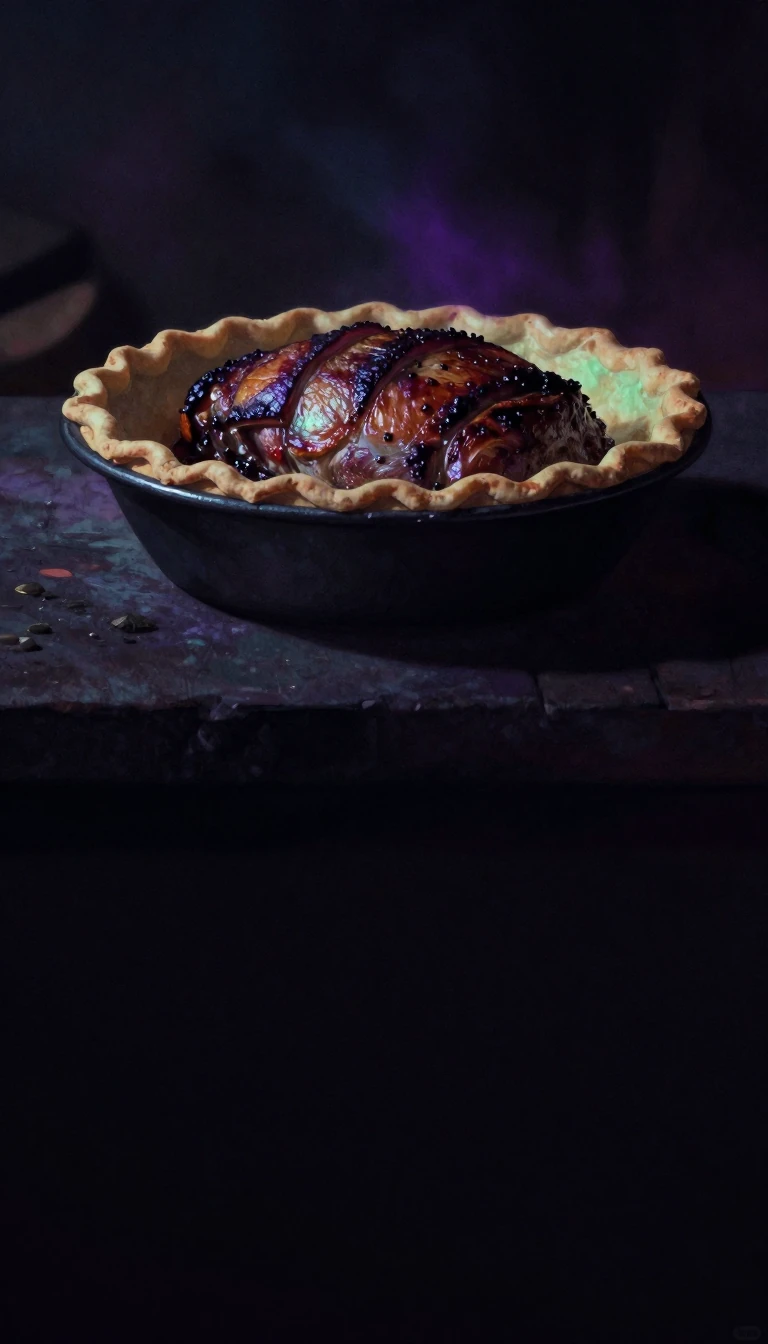
In short: Shortcrust pastry is the foundation of tarts and pies, defined by its crumbly, delicate texture. Achieving this requires a precise balance of flour and fat, handled with care to prevent gluten development. By mastering the science of fat distribution and temperature control, you can transform simple pantry staples into culinary art.
The defining characteristic of shortcrust pastry is its 'short' texture, which refers to a crumbly consistency that breaks apart easily. This is achieved by inhibiting the development of gluten strands within the flour. When flour is mixed with water, gluten develops, creating a tough, elastic structure. To prevent this, bakers coat flour granules with fat—such as butter, lard, or shortening—before adding any liquid. This barrier ensures that the flour cannot easily absorb water, keeping the final product tender rather than chewy.
Temperature and technique are paramount. The fat must remain distinct from the flour until the dough hits the oven. As the pastry bakes, these tiny, cold pockets of fat melt, releasing steam that creates the characteristic flaky layers. If the dough becomes too warm or is overworked, the fat blends too thoroughly and the gluten elongates, resulting in a tough crust. Professionals often use low-protein soft wheat, like cake flour, to further minimize the risk of toughness. Methods like fraisage—smearing the mixture with the heel of the hand—or using a pastry blender help incorporate ingredients without overworking the dough.
French pastry traditions offer distinct variations based on ingredient ratios and mixing methods. Pâte brisée, a classic savory crust, is delicate and light, often using up to three-fifths as much butter as flour. In contrast, pâte sucrée involves creaming butter with sugar and eggs before adding flour, which creates a 'snappy' and dry texture. Pâte sablée, while sharing similar ingredients, uses a method that impedes gluten strands to ensure the pastry crumbles instantly in the mouth. Whether you are crimping edges to seal a filling or piercing a top crust to vent steam, the goal remains the same: balancing structural integrity with a melt-in-the-mouth finish.
Opens the Intellect+ feed with this card first. Swipe up for the next one.
Sources
- Summary by Intellect · source: Shortcrust pastry
To cite this card, link to https://intellectplus.co.uk/app/food-shortcrust-pastry.
How we source, check and correct cards: Editorial standards.
General information, not professional advice. Spotted an error? Flag the card or see corrections and complaints.
Intellect Plus is a visual educational discovery platform for exploring fascinating facts and ideas. Brain Food, Not Brain Rot. What is Intellect Plus?
Related
More in Cooking, food and drink · More in Food & Drink · Latest · A–Z · All topics
