Is your feta actually Greek, or just a salty imposter in a brine bath?
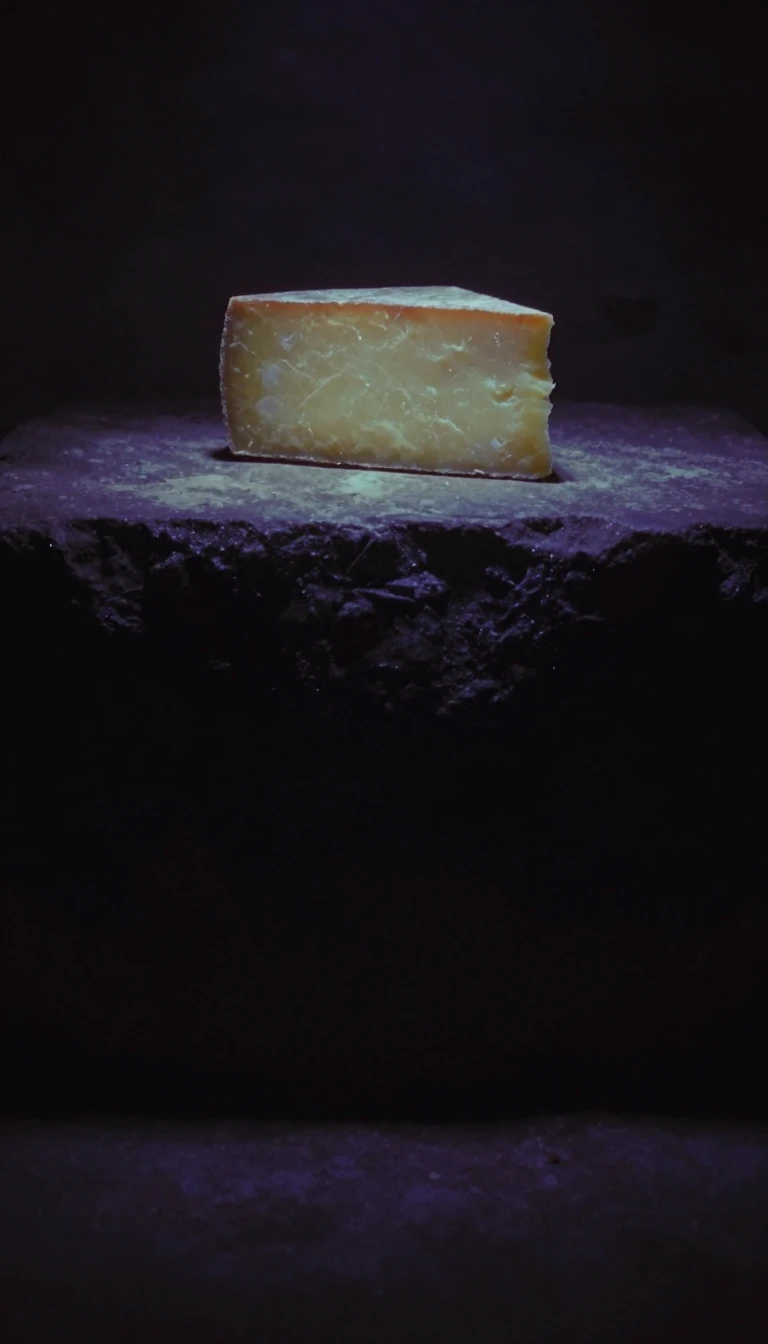
In short: True feta is a protected Greek treasure, defined by strict rules on milk source and geography. Yet, across the globe, the name is often applied to any white, crumbly cheese aged in brine. Discover the history, the legal battles, and the science behind this ancient Mediterranean staple.
Feta is a brined, crumbly cheese traditionally crafted from sheep milk or a blend containing up to 30% goat milk. While its name derives from the Italian word for 'slice,' the cheese itself has roots in the Eastern Mediterranean dating back to ancient times. Today, European Union legislation strictly protects the name, limiting it to products made in mainland Greece and Lesbos Prefecture. This Protected Designation of Origin (PDO) status, finalized in 2002 after years of legal challenges from countries like Denmark and Germany, ensures that only specific regional products can carry the label within the EU.
The production process is a delicate balance of chemistry and tradition. After rennet coagulates the milk, curds are drained, salted, and aged in a 7% brine solution. This maturation occurs first at room temperature for several days, followed by at least two months of refrigerated storage. This method imparts the characteristic tangy, salty flavor and creamy texture that distinguishes high-quality feta. The specific aroma is attributed to the biodiversity of the Greek landscape and the unique breeds of livestock that graze upon it.
Outside the EU, the term 'feta' is frequently used as a generic descriptor for various white brined cheeses, from Bulgaria’s bjalo sirene to Turkey’s beyaz peynir. In the United States, much of the cheese sold as feta is actually made from cow milk, a practice that remains a point of contention in international trade agreements. While some countries, such as Canada, have reached compromises allowing existing producers to retain the name while requiring new entrants to label their products as 'feta-style,' the global landscape remains fragmented, leaving consumers to navigate a sea of imitations and authentic Greek originals.
Opens the Intellect+ feed with this card first. Swipe up for the next one.
Sources
- Summary by Intellect · source: Feta
To cite this card, link to https://intellectplus.co.uk/app/food-feta.
How we source, check and correct cards: Editorial standards.
General information, not professional advice. Spotted an error? Flag the card or see corrections and complaints.
Intellect Plus is a visual educational discovery platform for exploring fascinating facts and ideas. Brain Food, Not Brain Rot. What is Intellect Plus?
Related
More in UK & Ireland: food · More in Food & Drink · Latest · A–Z · All topics
