From ancient salt to modern omics: the science behind what we eat
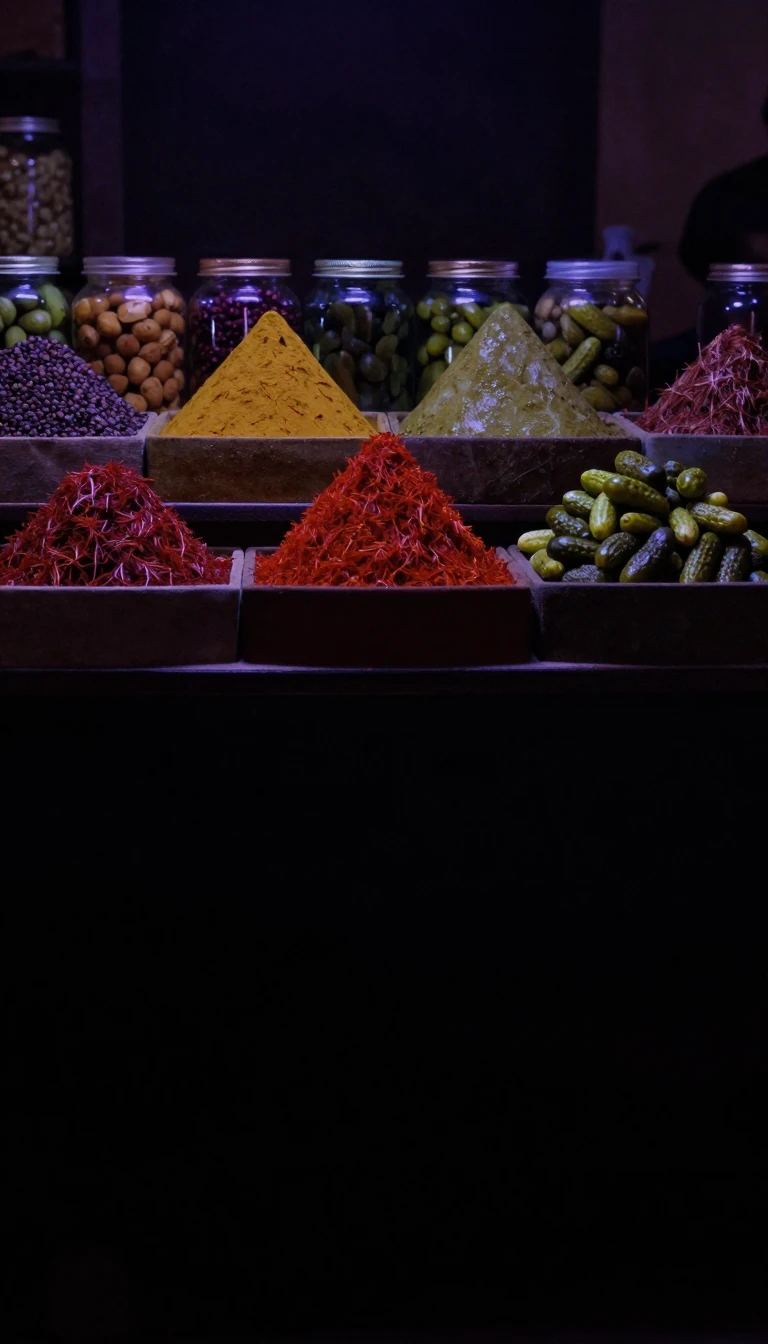
In short: Food science, or bromatology, is the interdisciplinary study of the chemical and physical properties of what we consume. It spans from the ancient art of preserving meat with salt to the high-tech world of molecular gastronomy and foodomics, ensuring our food is safe, consistent, and nutritious.
At its core, food science integrates chemistry, physics, microbiology, and biochemistry to understand the nature of food and the causes of its deterioration. While modern research is highly organized, the roots of the field lie in survival. For thousands of years, civilizations like those in Egypt used salt to preserve meat and fish, a practice dating back as far as 2000 BCE. These traditional methods, including drying and fermentation, were essential for sustaining communities during wars or periods of limited food availability.
The field has evolved significantly through key technological milestones. In 1810, Nicolas Appert developed the canning process, a decisive event in food technology, even though he did not fully understand the underlying principles at the time. Today, the discipline has expanded into specialized subdisciplines. Food chemistry examines the interactions of biological components like proteins and lipids, while food microbiology studies the microorganisms that can either contaminate food or act as essential tools for producing bread, cheese, and beer.
Modern advancements have introduced even more complex layers. In 2009, the term 'Foodomics' was defined to describe the integration of advanced -omics technologies with food chemistry and data analysis to improve human health. This has led to even more specific studies, such as nutrigenomics, which examines the intersection of nutrition and genetics. From ensuring quality control in industrial manufacturing to using sensory analysis to understand how we perceive flavor, food science is the invisible engine behind the global food supply.
Opens the Intellect+ feed with this card first. Swipe up for the next one.
Sources
- Summary by Intellect · source: Food science
To cite this card, link to https://intellectplus.co.uk/app/food-food-science.
How we source, check and correct cards: Editorial standards.
General information, not professional advice. Spotted an error? Flag the card or see corrections and complaints.
Intellect Plus is a visual educational discovery platform for exploring fascinating facts and ideas. Brain Food, Not Brain Rot. What is Intellect Plus?
Related
More in Cooking, food and drink · More in Food & Drink · Latest · A–Z · All topics
