Fortified wine is not just a drink; it is a masterclass in chemistry and history.
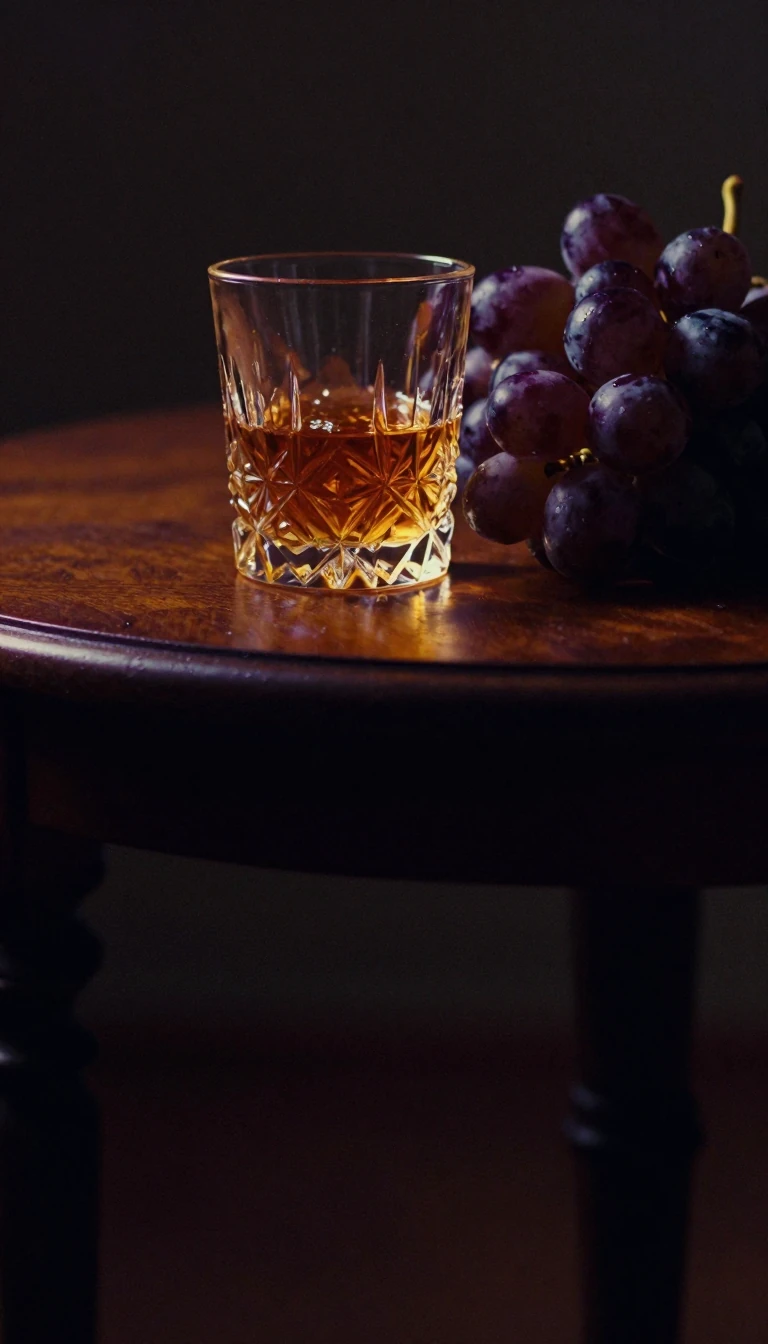
In short: By adding distilled spirits to wine, producers manipulate fermentation to create everything from bone-dry sherries to syrupy dessert wines. This process, once a vital preservation technique, now defines a diverse category of beverages that range from the sophisticated, aged Madeira to the controversial, inexpensive bottles found in urban liquor stores.
At its core, fortification is the art of interrupting nature. During standard fermentation, yeast consumes grape sugar until it reaches an alcohol level of 16–18%, at which point the environment becomes toxic to the yeast. By adding distilled spirits—usually brandy—before this threshold is reached, winemakers kill the yeast prematurely. This leaves behind residual sugar, resulting in a product that is both sweeter and more potent, typically reaching about 20% alcohol by volume.
The timing of this addition dictates the wine's character. Port is fortified halfway through fermentation to preserve sweetness, whereas sherry is typically fortified after fermentation is complete, resulting in a dry base that may be sweetened later. Other styles, like Madeira, undergo deliberate heating and oxidation, which grants the wine an unusually long lifespan once opened. Meanwhile, vermouth relies on a secret blend of herbs and spices, a practice dating back to ancient Rome, originally used to mask the raw flavors of inferior vintages.
The category is vast, spanning from the ancient, sun-dried Commandaria of Cyprus to the Korean rice wine Gwaha-ju, which incorporates soju and botanicals like ginseng. However, the reputation of fortified wine is bifurcated. While premium styles are celebrated, inexpensive versions became notorious during the Great Depression. This association persists today, leading cities like Seattle to restrict the sale of specific fortified brands in impoverished areas, a move approved by the Washington State Liquor Control Board in 2006.
European regulations provide a rigid framework for these products, defining 'liqueur wines' as those containing 15–22% ABV. These laws protect regional identities, such as the Sherry Triangle in Spain, while also standardizing terminology. Whether viewed through the lens of culinary tradition or social policy, fortified wine remains a complex intersection of geography, chemistry, and economic history.
Opens the Intellect+ feed with this card first. Swipe up for the next one.
Sources
- Summary by Intellect · source: Fortified wine
To cite this card, link to https://intellectplus.co.uk/app/food-fortified-wine.
How we source, check and correct cards: Editorial standards.
General information, not professional advice. Spotted an error? Flag the card or see corrections and complaints.
Intellect Plus is a visual educational discovery platform for exploring fascinating facts and ideas. Brain Food, Not Brain Rot. What is Intellect Plus?
Related
More in Cooking, food and drink · More in Food & Drink · Latest · A–Z · All topics
