Why the secret to perfect frozen food is actually about speed, not temperature.
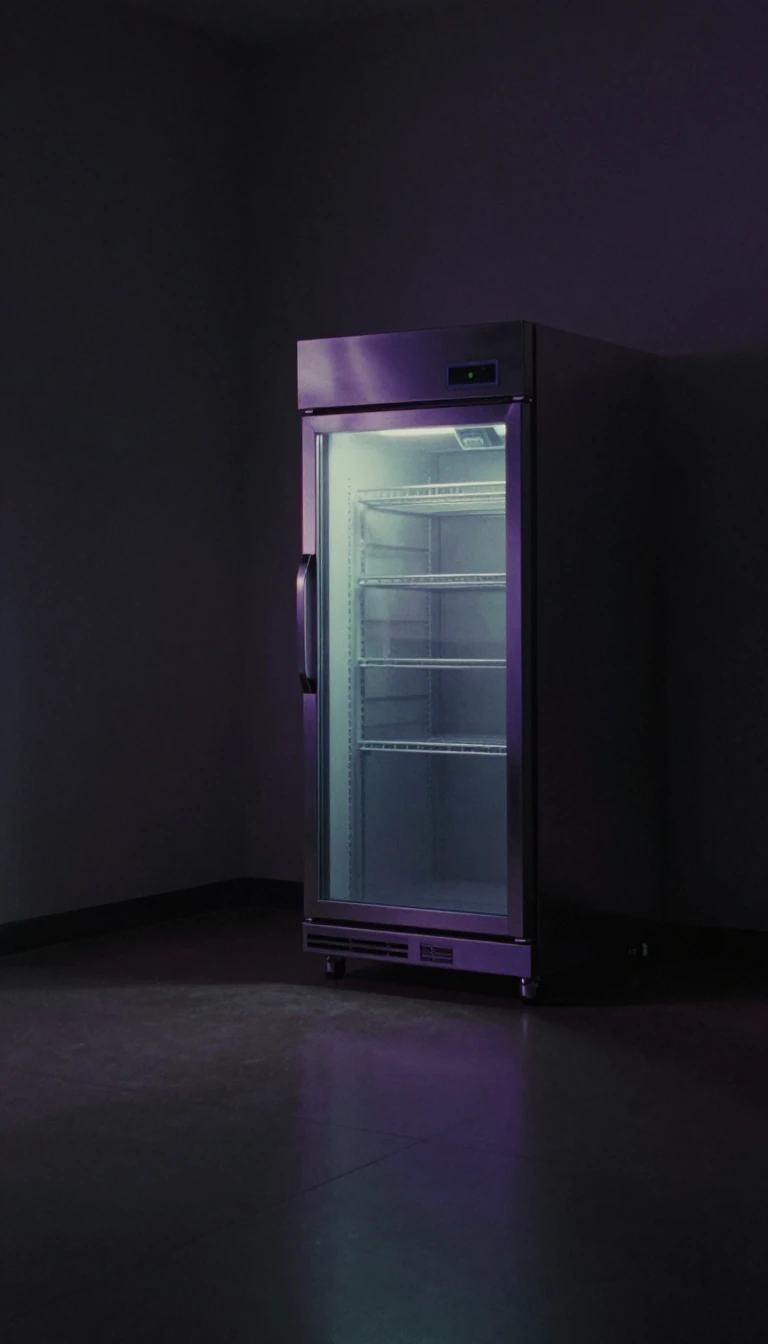
In short: Freezing food is an ancient practice, but modern science reveals that the quality of your dinner depends on how fast ice crystals form. By minimizing crystal size through rapid freezing, manufacturers preserve cellular structure and nutrients, turning the freezer into a high-tech tool for maintaining freshness without chemical preservatives.
The fundamental principle of food freezing is simple: turning residual moisture into ice inhibits bacterial growth. Microorganisms generally stop growing below −9.5 °C, making freezing a highly effective preservation method that requires no added preservatives. While natural freezing using winter frosts has been practiced for centuries, the industrial revolution transformed this into a global trade. By 1899, businesses were shipping hundreds of thousands of frozen geese and chickens from Russia to London, enabled by early cold-air refrigeration plants.
The modern era of frozen food began with Clarence Birdseye, who was inspired by traditional Inuit preservation methods he witnessed during expeditions to Labrador and Canada. Birdseye introduced 'flash freezing' to the American public in 1929. The core insight behind his work—and the industry today—is that freezing kinetics matter. Quicker freezing generates smaller ice crystals, which prevents the destruction of the food's cellular structure. This is why cryogenic technologies, such as immersion in liquid nitrogen at −196 °C, are prized for their speed, though mechanical vapor-compression systems remain the industry standard due to lower costs at scale.
Despite the efficiency of these methods, the freezing process itself is often blamed for nutrient loss that actually occurs during preparation. For instance, studies on vitamin C in peas show that the majority of losses occur during blanching, washing, and cooling rather than the freezing stage. Similarly, riboflavin loss is largely attributed to pre-freezing preparation. While freezing is effective, it is not a sterilization technique; many pathogens are merely deactivated rather than killed. Consequently, proper storage at or below −18 °C and careful thawing in a refrigerator remain essential to ensure food safety and quality when the product eventually reaches the consumer's plate.
Today, the industry is moving toward 'active packaging' that can sense and neutralize bacteria, alongside specialized containers like the 1974 differential heating sleeve designed to ensure even microwave cooking. As research continues, the focus remains on balancing cost-effectiveness with the preservation of texture and nutritional integrity, proving that the freezer is far more than just a cold box.
Opens the Intellect+ feed with this card first. Swipe up for the next one.
Sources
- Summary by Intellect · source: Frozen food
To cite this card, link to https://intellectplus.co.uk/app/food-frozen-food.
How we source, check and correct cards: Editorial standards.
General information, not professional advice. Spotted an error? Flag the card or see corrections and complaints.
Intellect Plus is a visual educational discovery platform for exploring fascinating facts and ideas. Brain Food, Not Brain Rot. What is Intellect Plus?
Related
More in Cooking, food and drink · More in Food & Drink · Latest · A–Z · All topics
