Medieval dining was a complex dance of social status, religious fasting, and humoral medicine.
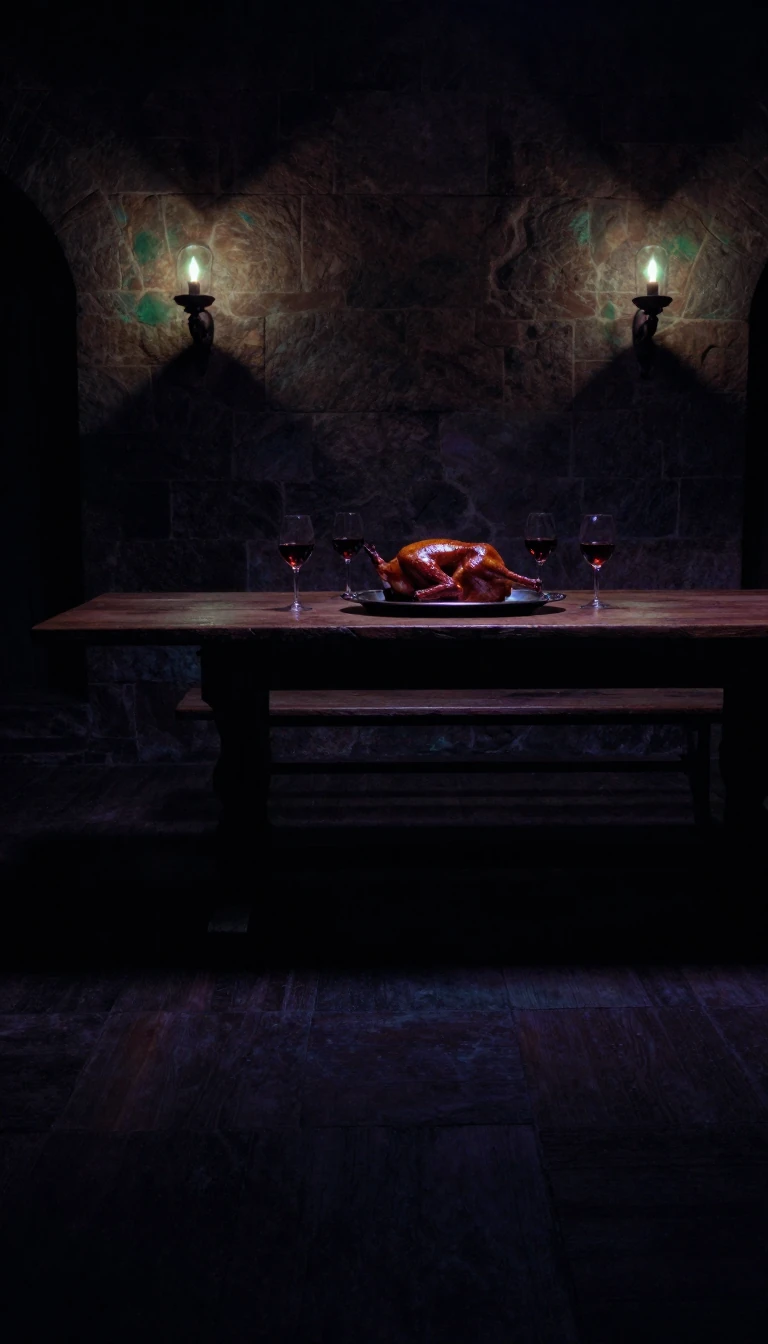
In short: In the Middle Ages, food was far more than sustenance; it was a rigid marker of class and spiritual discipline. From the refined, spiced banquets of the nobility to the coarse bread of the laborer, what you ate—and how you digested it—defined your place in the medieval world.
Medieval society was strictly stratified, and food served as a primary indicator of rank. The nobility and clergy claimed spiritual and worldly authority, and their diets were considered a reflection of their refined physical constitutions. While laborers consumed coarse grains and salt pork, the elite favored fresh game and exotic imports like saffron and ginger. This hierarchy was reinforced by sumptuary laws and literature that warned commoners against adopting the dietary habits of their superiors, as it was believed that one's food should match one's station in life.
Religious influence was equally profound. The Church mandated fasting for roughly one-third of the year, prohibiting meat and animal products like eggs and dairy. However, these restrictions sparked a culture of ingenuity. To circumvent the rules, the faithful redefined certain animals as 'fish' and used almond milk as a versatile, non-dairy substitute. Monasteries, despite their strict rules, often featured a 'misericord'—a dining room where fasting regulations were relaxed. Even the great theologian Thomas Aquinas argued for dispensations for specific groups, including the sick and the elderly.
Underpinning these habits was the theory of the four bodily humours, which classified all food as hot, cold, moist, or dry. Digestion was viewed as a continuation of the cooking process, requiring a specific order of consumption to prevent 'putrefaction' of the body. A meal typically began with easily digestible fruits and ended with aged cheese and spiced digestives. This medical framework meant that even the most lavish banquets were carefully structured to ensure the health of the diner, reflecting a worldview where biology, morality, and social order were inextricably linked.
Opens the Intellect+ feed with this card first. Swipe up for the next one.
Sources
- Summary by Intellect · source: Medieval cuisine
To cite this card, link to https://intellectplus.co.uk/app/food-medieval-cuisine.
How we source, check and correct cards: Editorial standards.
General information, not professional advice. Spotted an error? Flag the card or see corrections and complaints.
Intellect Plus is a visual educational discovery platform for exploring fascinating facts and ideas. Brain Food, Not Brain Rot. What is Intellect Plus?
Related
More in Cooking, food and drink · More in Food & Drink · Latest · A–Z · All topics
