The ancient foundations of Middle Eastern cuisine are still visible on your dinner plate
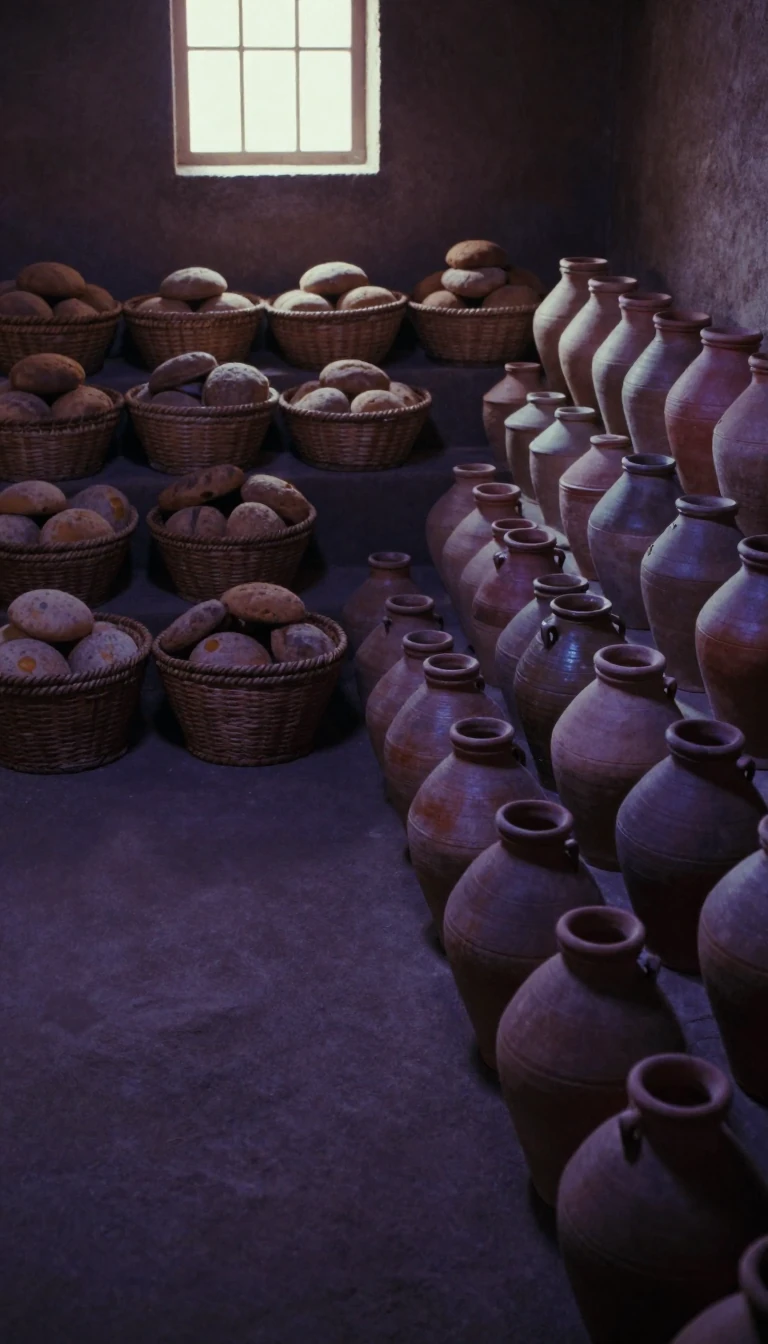
In short: From the Fertile Crescent's early wheat cultivation to the spice trade routes of the Persian Empire, Middle Eastern food is a layered history of global exchange. Discover how ancient fermentation, nomadic invaders, and religious dietary laws shaped a culinary tradition that remains a vibrant, communal experience across the region today.
The roots of Middle Eastern cuisine stretch back to Mesopotamia, where wheat was first cultivated and the earliest written recipes were recorded. This region, known as the Fertile Crescent, saw the domestication of sheep, goats, and cattle, alongside the discovery of fermentation for bread and beer. Over millennia, the area functioned as a vital crossroads for trade, absorbing influences from Mongol invaders, Indian spice merchants, and even New World crops like tomatoes. By the time of the first Persian Empire, between approximately 550 and 330 BCE, the foundations of the modern diet were established through the integration of rice, poultry, and various fruits.
Religious dietary laws have profoundly influenced the region's protein choices. Because both Islamic and Jewish traditions prohibit pork, lamb and mutton emerged as the primary meats, though Christian communities in nations like Lebanon, Syria, and Iraq continue to produce and consume pork, wine, and beer. This cultural tapestry extends to the dining table, where communal eating remains a hallmark. In many Arab countries, particularly within the Persian Gulf, diners traditionally share food from a central plate, using pita bread or their right hand to scoop up portions. This practice reflects a deep-seated cultural etiquette, where the right hand is used for eating while the left is reserved for other tasks.
Staples like grains, pulses, and vegetables form the backbone of the diet. Wheat is ubiquitous, appearing in everything from leavened bread to burghul and freekeh. Meanwhile, complex spice blends like za'atar—a mixture of thyme and sumac—and the frequent use of scented waters like rose and orange flower water in sweets define the regional palate. Whether it is the preparation of kibbeh, a meat and cereal pie, or the slow-boiling of Turkish coffee to initiate significant life events, the cuisine is as much about social and cultural ritual as it is about sustenance. From the street-side falafel to the elaborate meze spreads, these dishes represent a living history of human achievement and adaptation.
Opens the Intellect+ feed with this card first. Swipe up for the next one.
Sources
- Summary by Intellect · source: Middle Eastern cuisine
To cite this card, link to https://intellectplus.co.uk/app/food-middle-eastern-cuisine.
How we source, check and correct cards: Editorial standards.
General information, not professional advice. Spotted an error? Flag the card or see corrections and complaints.
Intellect Plus is a visual educational discovery platform for exploring fascinating facts and ideas. Brain Food, Not Brain Rot. What is Intellect Plus?
Related
More in Cooking, food and drink · More in Food & Drink · Latest · A–Z · All topics
