From medieval almond sweets to modern mezze: the enduring legacy of Arab culinary traditions
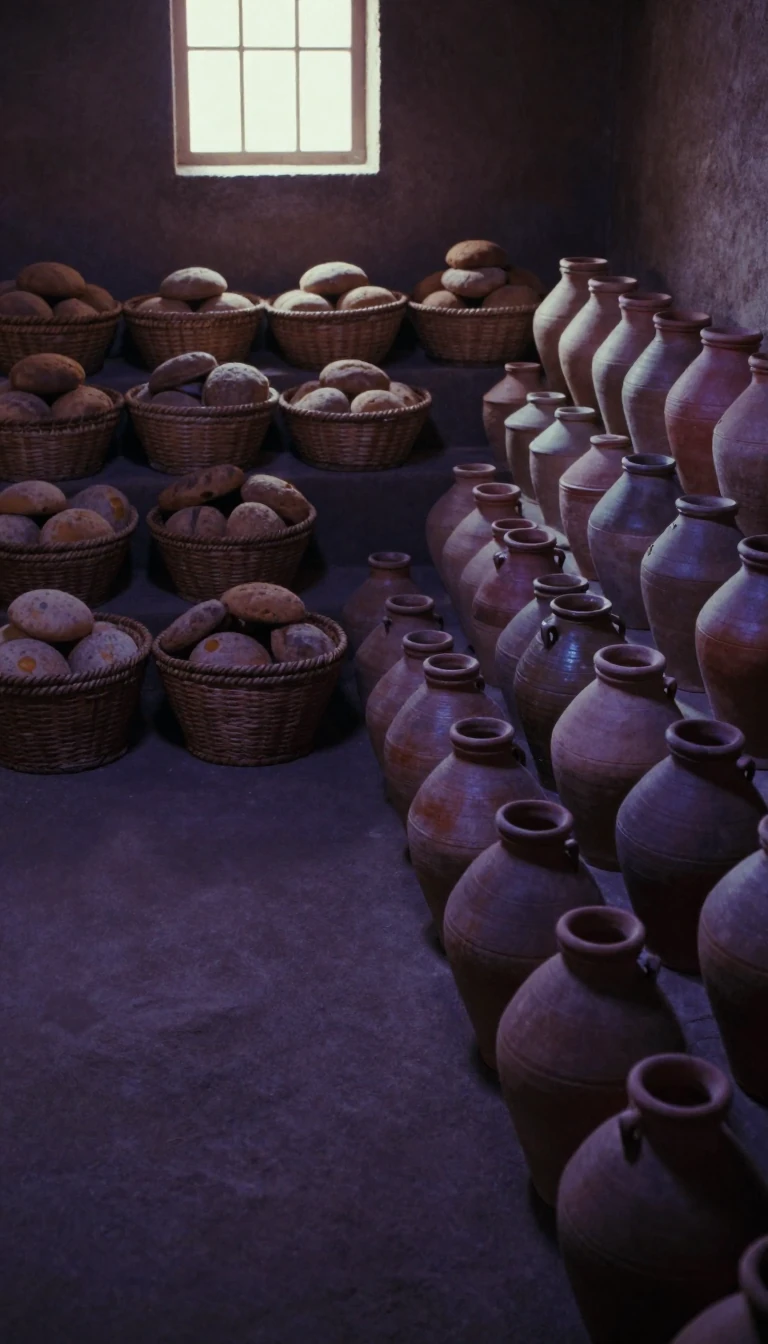
In short: Arab cuisine is a vast, centuries-old tapestry spanning the Maghreb and the Mashriq. While regional traditions vary from Moroccan couscous to Levantine mezze, the culture is unified by a deep commitment to hospitality, shared meals, and a sophisticated history of spice, grain, and vegetable preparation documented in medieval cookbooks.
The foundations of Arab culinary history are remarkably well-documented. Between the 9th and 16th centuries, writers compiled nearly 4,500 recipes across regions including Al-Andalus, Egypt, and Iraq. These texts reveal a highly developed gastronomic culture, featuring complex sauces known as sibagh and refined confections like lauzinaj. This almond-based sweet, often flavored with rose water, musk, or ambergris, was so esteemed it was dubbed the food of kings and eventually influenced European cuisine by the 13th century.
Modern Arab food culture remains anchored in staple ingredients like wheat, rice, lamb, and yogurt, seasoned with aromatic blends such as za'atar, baharat, and harissa. While regional distinctions are sharp—such as the reliance on dates and preserves in Bedouin cooking or the vegetarian focus of Egyptian staples like Koshari—the emphasis on communal dining persists. Hospitality is central, with meals serving as the primary vehicle for social connection and the welcoming of guests.
The rhythm of daily life is punctuated by meal structures that shift during Ramadan. While lunch is traditionally the primary meal, featuring meat, rice, and vegetable-based sauces, the month of fasting introduces the iftar, where the daily fast is broken with dates. This is followed by soups and a substantial main course, mirroring the complexity of year-round dining. Whether it is the ancient tradition of hand-cut rishta noodles or the modern prevalence of coffee and tea, the cuisine continues to evolve through a balance of climate, commerce, and enduring cultural values.
Opens the Intellect+ feed with this card first. Swipe up for the next one.
Sources
- Summary by Intellect · source: Arab cuisine
To cite this card, link to https://intellectplus.co.uk/app/food-arab-cuisine.
How we source, check and correct cards: Editorial standards.
General information, not professional advice. Spotted an error? Flag the card or see corrections and complaints.
Intellect Plus is a visual educational discovery platform for exploring fascinating facts and ideas. Brain Food, Not Brain Rot. What is Intellect Plus?
Related
More in Cooking, food and drink · More in Food & Drink · Latest · A–Z · All topics
