Why leftover rice became a Southeast Asian culinary icon
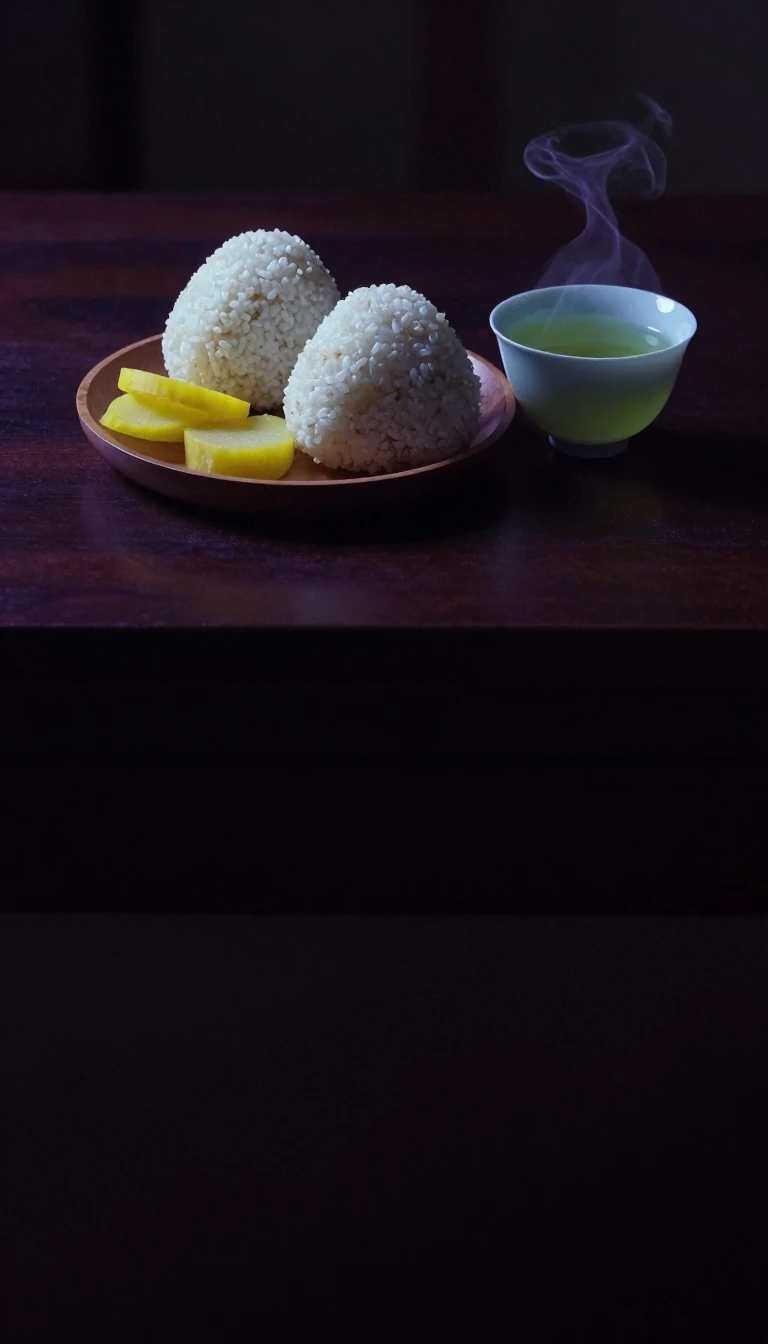
In short: Nasi goreng is more than just a meal; it is a masterclass in food efficiency. Born from the need to avoid waste, this smoky, aromatic dish transformed day-old rice into a regional staple, bridging ancient Chinese techniques with the vibrant spices of the Indonesian archipelago.
While often associated with Indonesia and Malaysia, the roots of fried rice likely trace back to China during the Sui dynasty (589–618 CE). It was developed as a practical solution to prevent waste, as leftover rice hardens after cooling and is ideal for stir-frying. In Southeast Asia, this practice likely flourished through maritime trade between China and the Indonesian archipelago, particularly during the Srivijaya era around the 10th century and the Majapahit era around the 15th century.
The dish is distinguished by its smoky, aromatic profile, often achieved through the use of caramelized sweet soy sauce (kecap manis) and shrimp paste. While soy sauce originated in 2nd-century CE China, the Indonesian version is uniquely sweetened with local palm sugar. Some culinary experts, such as Fadly Rahman, suggest the dish may have even been inspired by Middle Eastern pilaf, noting that Betawi-style goat fried rice uses ghee and mutton—ingredients typical of Middle Eastern cooking.
The evolution of the dish reflects complex migration patterns. Between the 10th and 19th centuries, settlers from southern China—including Hokkien, Cantonese, Hakka, and Teochew communities—established Chinatowns in major port cities like Batavia and Malacca. These migrants brought the stir-frying technique (chǎo) and noodles, which local populations eventually adapted by incorporating regional spices. Today, nasi goreng is a national culinary treasure in both Indonesia and Malaysia, with diverse regional variations ranging from savory Sundanese styles to sweeter Javanese versions.
Opens the Intellect+ feed with this card first. Swipe up for the next one.
Sources
- Summary by Intellect · source: Nasi goreng
To cite this card, link to https://intellectplus.co.uk/app/food-nasi-goreng.
How we source, check and correct cards: Editorial standards.
General information, not professional advice. Spotted an error? Flag the card or see corrections and complaints.
Intellect Plus is a visual educational discovery platform for exploring fascinating facts and ideas. Brain Food, Not Brain Rot. What is Intellect Plus?
Related
More in Cooking, food and drink · More in Food & Drink · Latest · A–Z · All topics
