Is Japan's polarizing fermented soybean dish an accidental byproduct of ancient Chinese trade?
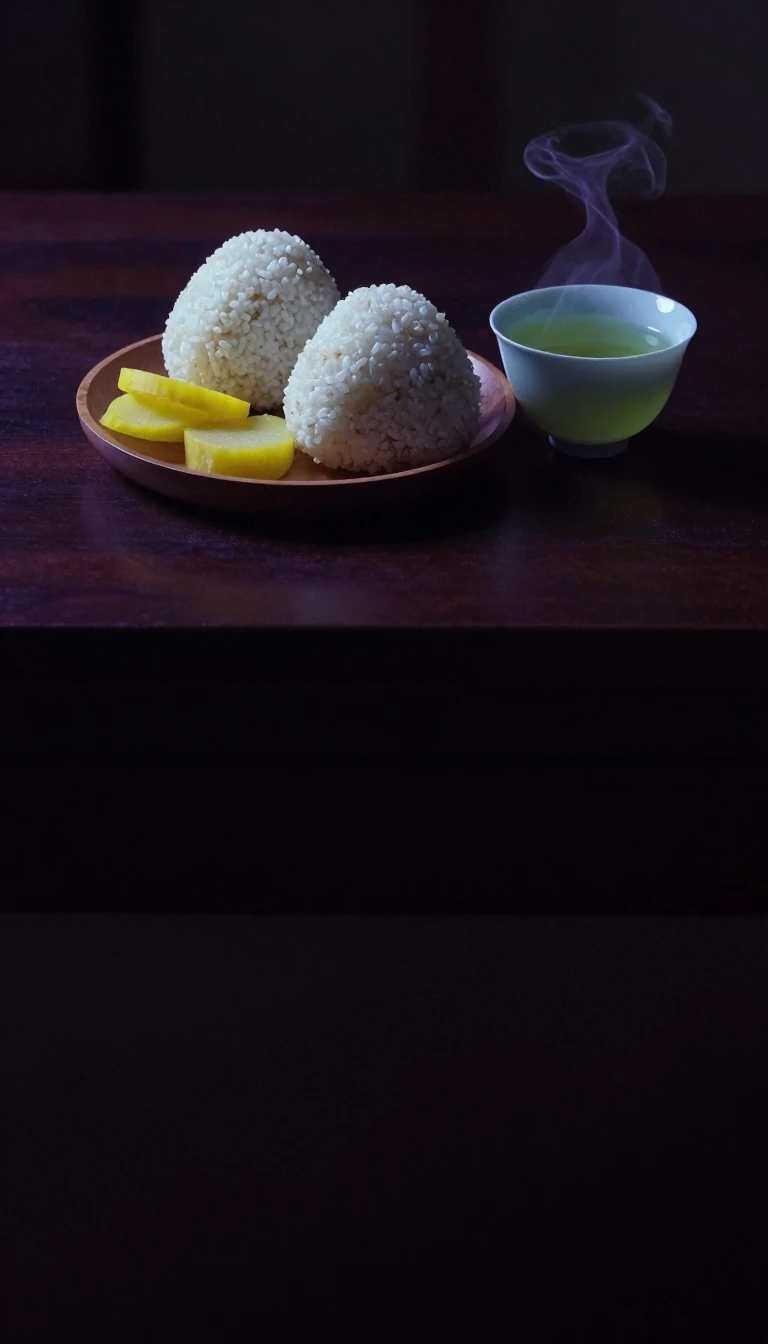
In short: Natto is a Japanese staple defined by its pungent aroma and signature slimy, stringy texture. While often considered an acquired taste, this fermented soybean dish is a nutritional powerhouse. Its origins remain shrouded in legend and historical debate, linking it to ancient trade routes and accidental culinary discoveries.
Natto is produced by fermenting whole soybeans with the bacterium Bacillus subtilis var. natto. The process is precise: beans are soaked for 12 to 20 hours, steamed, inoculated with the bacteria, and fermented at 40 °C for up to 24 hours. A final aging period in a refrigerator for up to one week develops the characteristic stringiness. Because the bacteria are sensitive to contamination, modern facilities maintain strict hygiene to prevent skin flora from interfering with the fermentation.
The history of natto is contested. Some theories suggest it was developed independently across Japan due to the simplicity of the ingredients. Others point to Chinese influence, noting that the Chinese fermented soybean condiment douchi likely arrived in Japan during the Yayoi period. Because salt was historically expensive, some researchers hypothesize that natto emerged as a salt-free, accidental variation of douchi. Archaeological evidence, such as a wooden slip from Heijō-kyō bearing the Chinese character for fermented soybeans, supports the theory of a Chinese connection.
Legends offer more dramatic origin stories. One attributes the discovery to the samurai Minamoto no Yoshiie, whose troops allegedly left boiled soybeans in straw bags during a campaign between 1086 and 1088 AD, only to find them fermented days later. Another story credits Prince Shotoku, who supposedly wrapped soybean leftovers in straw for his horse. Regardless of its true origin, the dish evolved significantly in the 20th century. During the Taishō period (1912–1926), researchers discovered how to cultivate the starter culture without straw, enabling the consistent, mass-produced product found in polystyrene containers today.
Nutritionally, natto is dense, providing 110 calories per 50-gram serving. It is particularly rich in vitamin K, manganese, and iron. While its flavor—driven by glutamic acid, diacetyl, and pyrazines—remains polarizing, it is a staple in eastern Japan. For those deterred by the texture, modern innovations like dried or fried versions, developed around 1990, offer milder alternatives to the traditional, sticky experience.
Opens the Intellect+ feed with this card first. Swipe up for the next one.
Sources
- Summary by Intellect · source: Natto
To cite this card, link to https://intellectplus.co.uk/app/food-natto.
How we source, check and correct cards: Editorial standards.
General information, not professional advice. Spotted an error? Flag the card or see corrections and complaints.
Intellect Plus is a visual educational discovery platform for exploring fascinating facts and ideas. Brain Food, Not Brain Rot. What is Intellect Plus?
Related
More in Cooking, food and drink · More in Food & Drink · Latest · A–Z · All topics
