Nigeria's Culinary Landscape Is a Vibrant Tapestry of 371 Distinct Ethnic Traditions
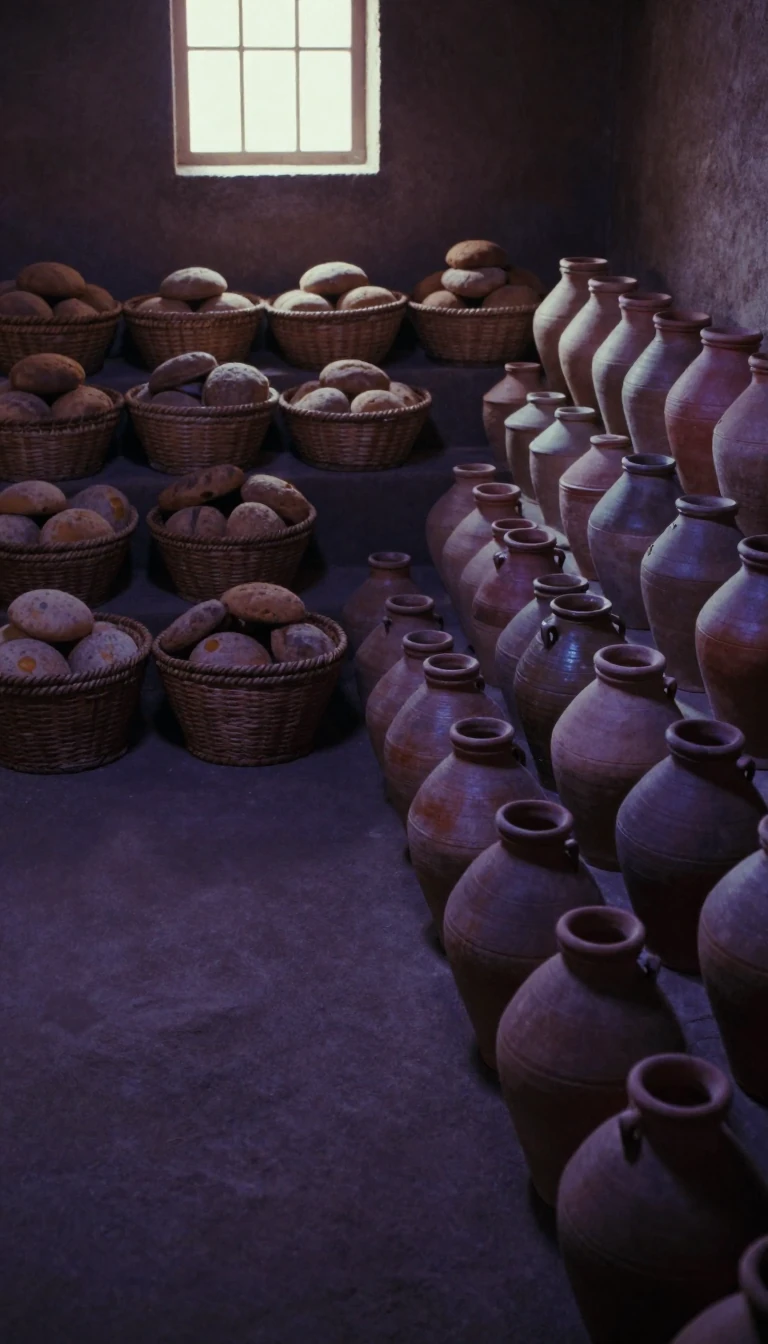
In short: Nigerian cuisine is far more than a single style; it is a vast, evolving collection of flavors born from hundreds of ethnic groups. From the spicy, aromatic street snacks of the south to the hearty, grain-based staples of the north, this diverse heritage relies on native crops and deep-rooted traditions.
At the heart of Nigerian cooking lies a reliance on locally available agricultural resources. Staples like yam, black-eyed peas, millet, and sorghum form the foundation of many meals, often paired with palm or groundnut oil to create rich, savory sauces. The country’s culinary identity is deeply tied to its geography and history, with indigenous ingredients like egusi—thickened ground melon seeds—and various native fruits such as the African star apple and African mango playing central roles in daily sustenance.
The diversity of the nation is reflected in its regional specialties. In the southwest, the Yoruba people have perfected bean-based dishes like akara fritters, moi moi steamed pudding, and the complex Abula soup. Meanwhile, the northern regions favor grain-heavy preparations such as tuwo masara, a corn-flour dish, and tuwo shinkafa, a thick rice pudding often served with pumpkin-based miyan taushe. Meat preparation also varies wildly, ranging from the famous skewered, spice-coated suya to the wood-fired, unseasoned simplicity of balangu.
Rice serves as a versatile canvas across the country, appearing in countless iterations. From the tomato-rich Jollof rice to the palm-nut-infused Banga rice of the south and the turmeric-spiced curried rice, these dishes showcase how trade and local innovation have shaped the national palate. Even the preparation of snacks and street food, such as the barbecue-style meats or fried fritters, highlights a culture that values bold, aromatic flavors. This culinary evolution, spanning millennia, continues to be recognized as a vital component of Nigeria’s national heritage.
Beyond standard livestock like beef, goat, and chicken, Nigerian cuisine incorporates unique proteins, including bushmeat like giant African land snails and cane rats. Whether it is the preparation of fufu, pounded yam, or the intricate process of making masa, the sheer variety of cooking methods across 371 ethnic groups ensures that Nigerian food remains a dynamic and deeply flavored reflection of its people.
Opens the Intellect+ feed with this card first. Swipe up for the next one.
Sources
- Summary by Intellect · source: Nigerian cuisine
To cite this card, link to https://intellectplus.co.uk/app/food-nigerian-cuisine.
How we source, check and correct cards: Editorial standards.
General information, not professional advice. Spotted an error? Flag the card or see corrections and complaints.
Intellect Plus is a visual educational discovery platform for exploring fascinating facts and ideas. Brain Food, Not Brain Rot. What is Intellect Plus?
Related
More in Cooking, food and drink · More in Food & Drink · Latest · A–Z · All topics
