African cuisine is a vast, ancient tapestry of regional innovation and cross-continental exchange.
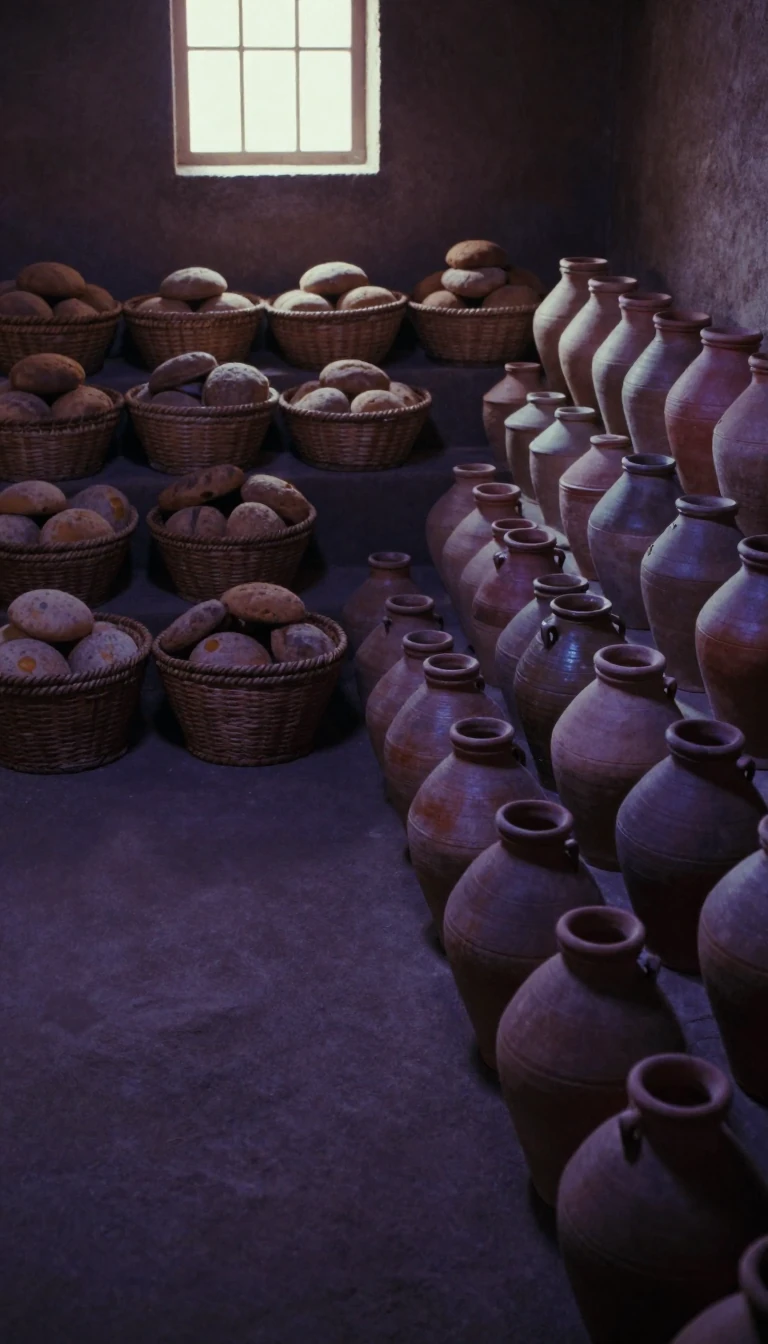
In short: Far from a monolith, African food culture is a complex history of adaptation. From the ancient grain cultivation of the Northeast to the spice-laden trade routes of the Swahili Coast, the continent’s culinary identity is defined by local resourcefulness, diverse agricultural traditions, and centuries of global interaction.
The roots of African culinary traditions stretch back millennia, long predating the Bronze Age. In Northeast Africa, early civilizations established settled agriculture, domesticating sheep and donkeys while cultivating staples like barley and wheat. This agricultural foundation allowed for the development of distinct regional diets, which evolved alongside local climates, religious customs, and trade networks. While hunter-gatherer practices persisted in many areas, the gradual shift toward farming introduced crops like sorghum and millet, which remain central to the continent’s diverse foodways.
Regional diversity is a hallmark of the African experience. In West Africa, the diet is defined by rice, beans, and spicy stews, often enriched with palm oil and peanuts. Central Africa relies heavily on starchy tubers like cassava and plantains, while East Africa reflects a unique blend of indigenous practices and historical influences from Indian and Middle Eastern trade. In the Horn of Africa, the communal consumption of injera—a sourdough flatbread—paired with thick stews known as wat, highlights the importance of shared dining. Meanwhile, Southern Africa’s 'rainbow cuisine' blends indigenous traditions, such as the consumption of fermented milk and game meat, with European and Asian influences.
The evolution of these cuisines has been shaped by constant movement and exchange. Crops like maize and potatoes, now essential staples, were only introduced in the 19th century. Similarly, colonial and trade histories have left lasting marks, from Portuguese-introduced salt fish in Central Africa to the British and Indian influences on the Swahili Coast. Today, African culinary techniques continue to resonate globally, with West African methods of rice cultivation and the use of ingredients like okra significantly shaping cuisines in the Caribbean, Brazil, and the American Lowcountry.
Resourcefulness remains a defining trait of African cooking. Faced with challenges like food waste and storage limitations, communities have developed ingenious ways to utilize every part of plants and animals. Whether through the fermentation of grains and milk to enhance nutrition and preservation or the creative use of leaves, stems, and flowers, the continent’s culinary identity is a testament to human adaptability and the profound connection between land, history, and community.
Opens the Intellect+ feed with this card first. Swipe up for the next one.
Sources
- Summary by Intellect · source: African cuisine
To cite this card, link to https://intellectplus.co.uk/app/food-african-cuisine.
How we source, check and correct cards: Editorial standards.
General information, not professional advice. Spotted an error? Flag the card or see corrections and complaints.
Intellect Plus is a visual educational discovery platform for exploring fascinating facts and ideas. Brain Food, Not Brain Rot. What is Intellect Plus?
Related
More in Cooking, food and drink · More in Food & Drink · Latest · A–Z · All topics
