Pottage was the eternal, ever-changing stew that defined the diet of medieval Europe.
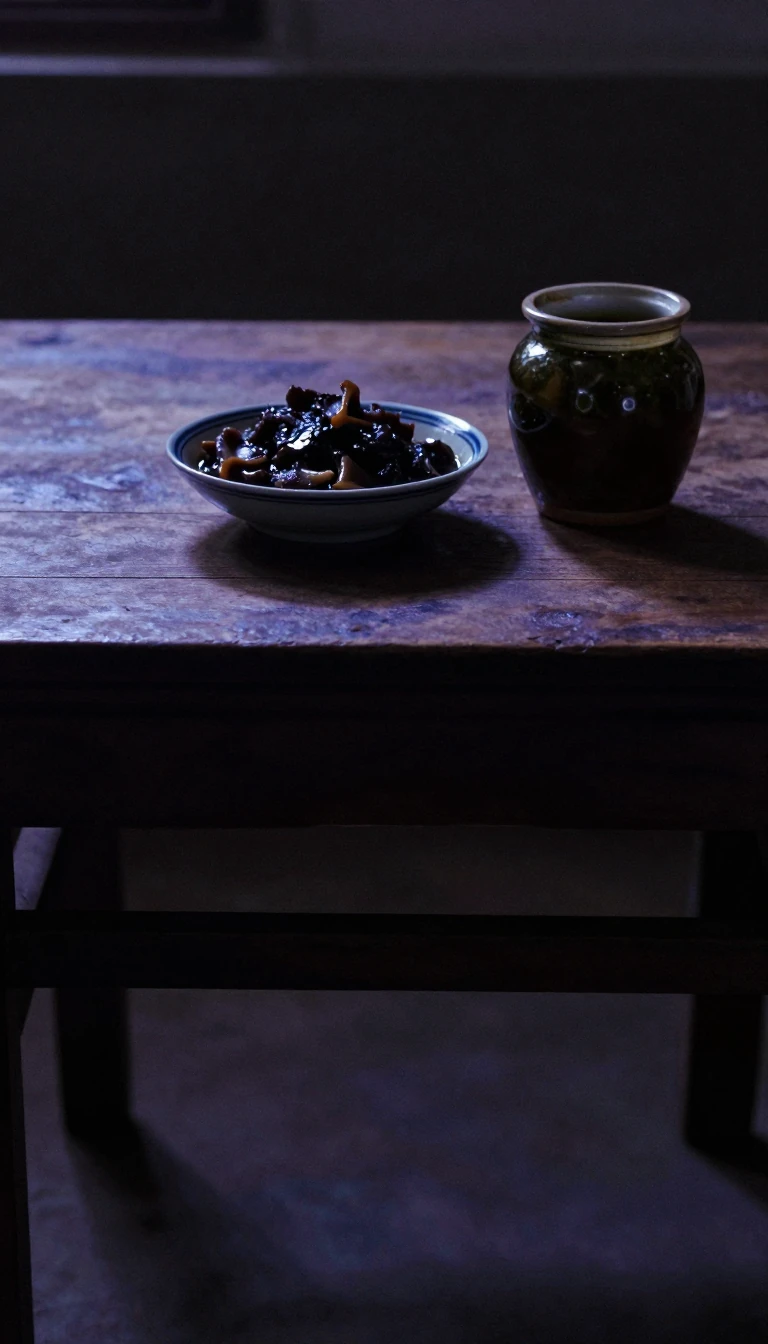
In short: For centuries, pottage was the ultimate staple, a simmering pot of grains, vegetables, and whatever meat or fish was available. It was a dish that never truly finished, constantly evolving as ingredients were added and portions were ladled out, serving as the foundation for everything from chowders to modern soups.
Pottage, or potage, is a culinary tradition that spans centuries and continents. At its most basic, it is a thick, boiled mixture of grains, vegetables, and proteins. In medieval Europe, it was a constant presence in the peasant diet, often kept over a fire for days, with new ingredients added as others were consumed. This created a dish that was in a state of perpetual flux. While the poor relied on it for survival, the wealthy elevated the concept by incorporating expensive meats and complex seasonings. By the 17th century, the term had become a formal stage in the structure of a meal, signifying the method of cooking rather than a specific recipe.
The versatility of pottage allowed it to adapt to religious and regional requirements. On 'lean days' in European traditions, meat was replaced by fish, shellfish, or vegetable purées, while animal fats gave way to butter or oil. In the 14th-century French text Le Viandier, recipes were categorized by whether they were thickened or spiced. Similarly, the 16th-century Petit traicté described a formal meal structure where potages occupied a distinct, standardized position. These dishes were not merely simple broths; they included sophisticated preparations like frumenty—wheat boiled with milk and spices—and elaborate stews thickened with egg yolks or bread crumbs.
The concept traveled far beyond Europe, appearing in diverse forms globally. In North America, indigenous cuisines utilized maize as a base, creating dishes like Indian pottage or succotash, which incorporated beans, squash, and game such as venison or bear. This tradition eventually influenced early American colonial cooking, evolving into staples like New England chowder and baked beans. Whether it is the Welsh cawl, which is still cooked over fires today, or Nigerian yam pottage, the dish remains a testament to the enduring human strategy of boiling available ingredients into a nourishing, homogeneous meal.
Opens the Intellect+ feed with this card first. Swipe up for the next one.
Sources
- Summary by Intellect · source: Pottage
To cite this card, link to https://intellectplus.co.uk/app/food-pottage.
How we source, check and correct cards: Editorial standards.
General information, not professional advice. Spotted an error? Flag the card or see corrections and complaints.
Intellect Plus is a visual educational discovery platform for exploring fascinating facts and ideas. Brain Food, Not Brain Rot. What is Intellect Plus?
Related
More in UK & Ireland: food · More in Food & Drink · Latest · A–Z · All topics
