Why rye bread is a scientific marvel of fermentation and complex grain chemistry
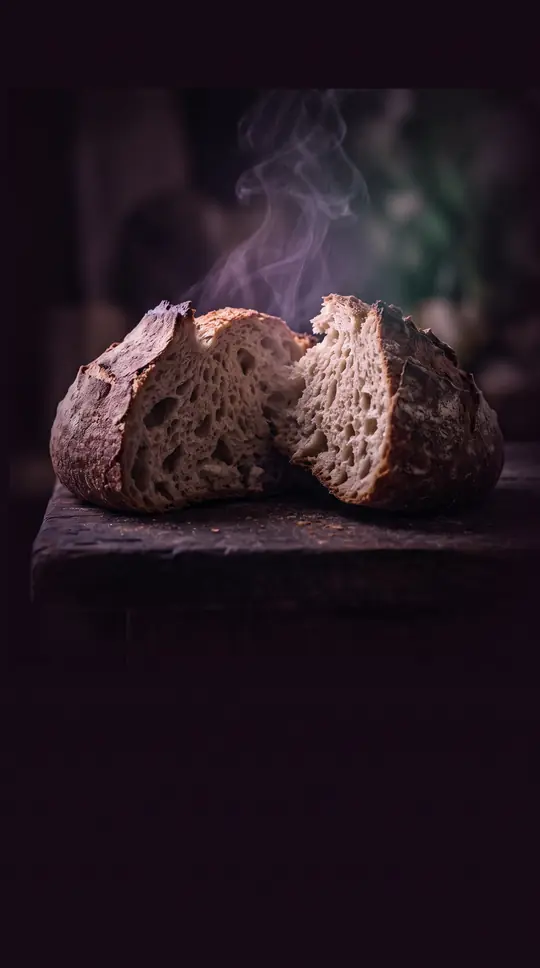
In short: Rye bread is denser, darker, and more flavorful than wheat-based loaves, but its unique composition makes it notoriously difficult to bake. Because rye lacks strong gluten, bakers must master complex fermentation techniques or specific grain blending to prevent the dough from collapsing during the baking process.
The fundamental challenge in baking with rye lies in its biochemistry, specifically its high levels of amylase enzymes. Unlike wheat, where amylases are generally heat-sensitive, rye amylases remain active at high temperatures, breaking down starch into sugar and destroying the dough's structure. Because rye contains secalin—a gluten protein that is significantly weaker than wheat gluten—the bread relies on a matrix of complex polysaccharides, including pentosans, to hold its shape. Without intervention, these active enzymes would prevent the loaf from rising entirely.
To solve this, traditional bakers utilize sourdough cultures. By introducing Lactobacillus, they lower the dough's pH, which effectively inhibits the destructive amylase activity. This acidification also facilitates the growth of acid-tolerant yeast, helping to gelatinize starches and create a lighter, more stable crumb. In regions where high-gluten wheat is abundant, bakers often bypass this complex fermentation by blending rye with hard wheat flour. The added gluten provides the necessary structural support, a technique that defines the American deli rye tradition and various multigrain loaves.
Beyond its technical requirements, rye bread is celebrated for its nutritional profile and longevity. It is rich in fiber and bioactive compounds, such as phenolic acids, and generally possesses a lower glycemic index than white bread. Traditional varieties like German pumpernickel or Finnish ruisleipä are often baked for long periods at low temperatures, triggering Maillard reactions that deepen the color and flavor. These dense, all-rye loaves can remain edible for months, making them historically vital as storage rations for expeditions. Whether it is the thin, crisp flatbreads of Scandinavia or the soft, caraway-seeded loaves of Jewish-American delis, rye remains a versatile staple shaped by centuries of regional adaptation and culinary ingenuity.
Opens the Intellect+ feed with this card first. Swipe up for the next one.
Sources
- Summary by Intellect · source: Rye bread
To cite this card, link to https://intellectplus.co.uk/app/food-rye-bread.
How we source, check and correct cards: Editorial standards.
General information, not professional advice. Spotted an error? Flag the card or see corrections and complaints.
Intellect Plus is a visual educational discovery platform for exploring fascinating facts and ideas. Brain Food, Not Brain Rot. What is Intellect Plus?
Related
More in Cooking, food and drink · More in Food & Drink · Latest · A–Z · All topics
