Sourdough is not just bread; it is a living, ancient microbial ecosystem in your kitchen.
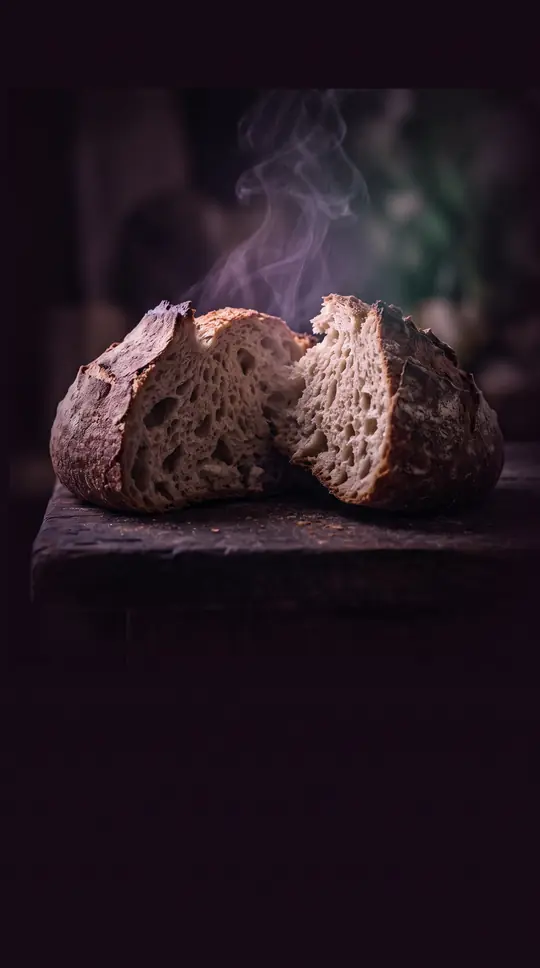
In short: Long before industrial yeast, humanity relied on a bubbling mixture of flour and water to leaven bread. This ancient technique creates a stable, symbiotic culture of wild yeast and bacteria. By mastering the refreshment of this living mother, you can unlock flavors and textures that modern commercial baking simply cannot replicate.
Sourdough is defined by a symbiotic relationship between wild yeast and lactic acid bacteria. While the yeast produces carbon dioxide to leaven the dough, the bacteria metabolize sugars that the yeast cannot, producing lactic acid and acetic acid. This fermentation process not only provides the characteristic sour tang but also improves the bread's shelf life by creating an environment that inhibits spoilage organisms.
The biology of a starter is highly sensitive to environmental variables. A wetter, warmer starter encourages bacterial activity, favoring lactic acid, while a cooler, drier environment promotes yeast growth and acetic acid production. Bakers manage these cultures through regular 'refreshments'—adding fresh flour and water to maintain the microbial population. The ratio of this feeding is critical; high refreshment ratios keep the pH low, which stabilizes the culture and prevents unwanted microbes from colonizing the mixture.
The history of this process stretches back thousands of years, with evidence of sourdough bread in Switzerland dating to 3700 BC. For most of human history, it was the standard method of breadmaking until the late 19th century, when industrial baker's yeast and barm from beer brewing began to dominate. Today, the tradition persists through 'mother doughs'—unbroken lines of starter that some bakers maintain for years, passing them down as living culinary heirlooms.
Modern industrial 'sourfaux' products often mimic the flavor of sourdough using chemical additives or commercial yeast, which the Real Bread Campaign warns against. True sourdough relies on the complex interplay of enzymes like amylase, which break down starches into sugars for the yeast to consume. By understanding the specific needs of species like Fructilactobacillus sanfranciscensis and Kazachstania humilis, home bakers can cultivate a unique, stable ecosystem that produces bread with a depth of flavor impossible to achieve with rapid, store-bought alternatives.
Opens the Intellect+ feed with this card first. Swipe up for the next one.
Sources
- Summary by Intellect · source: Sourdough
To cite this card, link to https://intellectplus.co.uk/app/culture-sourdough.
How we source, check and correct cards: Editorial standards.
General information, not professional advice. Spotted an error? Flag the card or see corrections and complaints.
Intellect Plus is a visual educational discovery platform for exploring fascinating facts and ideas. Brain Food, Not Brain Rot. What is Intellect Plus?
Related
More in UK & Irish culture · More in Cultures · Latest · A–Z · All topics
