Why the fiery, numbing heat of Sichuan cuisine is a relatively modern invention
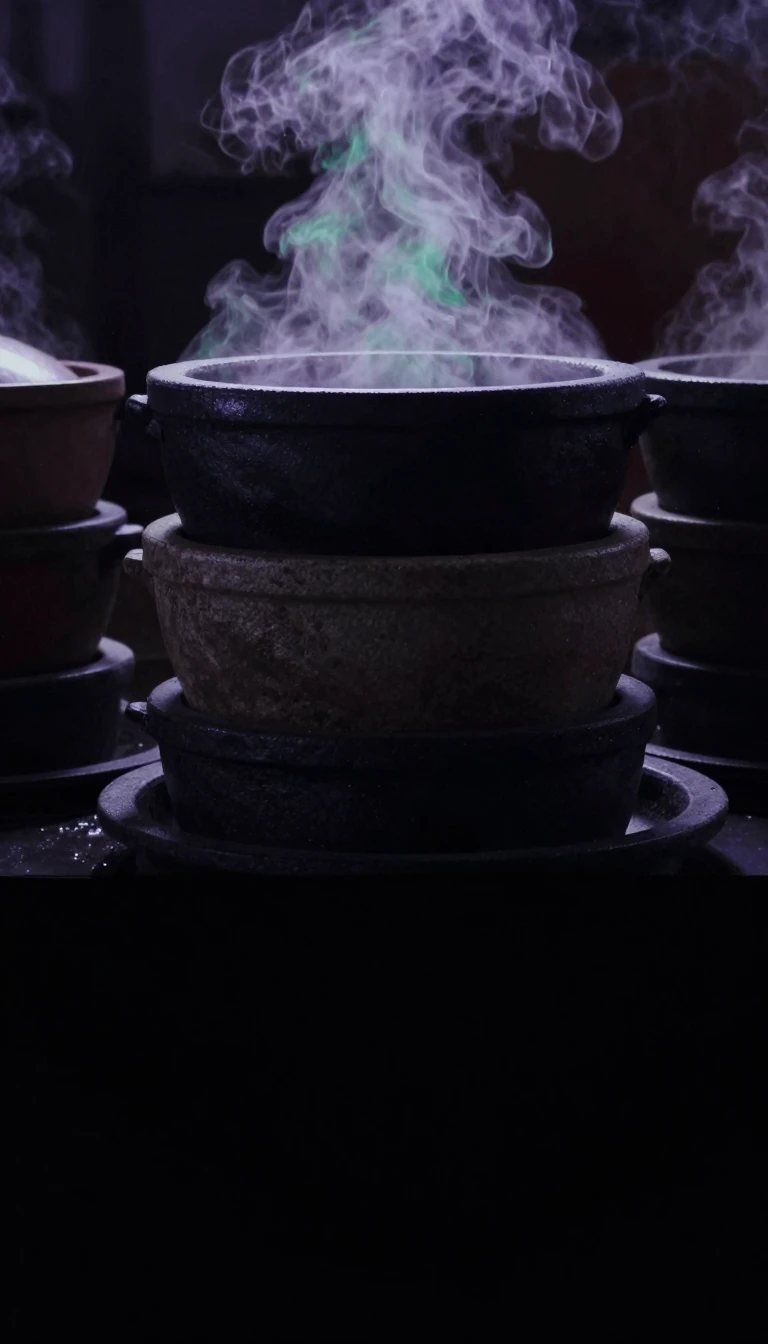
In short: Sichuan food is famous for its bold, spicy profile, yet this signature intensity is a recent development. While the region has long been a culinary powerhouse, the iconic chili pepper only arrived in the 17th century, forever transforming the local palate and creating the complex, numbing sensations we recognize today.
Sichuan cuisine, originating from the fertile Sichuan Basin and Chongqing, is defined by a sophisticated balance of seven distinct tastes: sweet, sour, bitter, salty, fragrant, spicy, and the signature numbing sensation known as mala. This numbing effect is produced by the Sichuan peppercorn, a native ingredient that provides a citrus-like fragrance. While the region has been celebrated for its abundant natural resources since ancient times, the modern character of its food—defined by its heavy reliance on chili peppers—did not emerge until the Kangxi period of the Qing dynasty.
The introduction of the chili pepper from the New World, likely arriving via India or Macau, acted as a watershed moment in the region's culinary history. Before this, the local diet relied on traditional seasonings and Middle Eastern crops like broad beans and walnuts. The 16th and 17th centuries saw a wave of new arrivals, including corn, sweet potatoes, and white potatoes, which significantly altered the agricultural landscape. This shift was compounded by massive demographic changes, as wars between the Ming and Qing dynasties decimated the population, leading to an influx of settlers from Hunan who brought their own distinct cooking traditions.
Today, the cuisine is categorized into four major substyles: Shanghebang, Xiaohebang, Xiahebang, and Buddhist vegetarian. Shanghebang, centered in Chengdu and Leshan, is known for its refined, often milder flavors, while Xiaohebang, centered in Zigong, is famous for its rich, intense dishes. The region's complex topography, ranging from mountains to plains, ensures a diverse pantry that includes everything from rabbit—which accounts for roughly seven out of every ten rabbits consumed in China—to various types of offal. Despite its reputation for heat, a traditional Sichuan meal is carefully structured to include non-spicy dishes, ensuring the palate remains balanced and the complex flavor profiles are never overwhelmed by spice alone.
Opens the Intellect+ feed with this card first. Swipe up for the next one.
Sources
- Summary by Intellect · source: Sichuan cuisine
To cite this card, link to https://intellectplus.co.uk/app/food-sichuan-cuisine.
How we source, check and correct cards: Editorial standards.
General information, not professional advice. Spotted an error? Flag the card or see corrections and complaints.
Intellect Plus is a visual educational discovery platform for exploring fascinating facts and ideas. Brain Food, Not Brain Rot. What is Intellect Plus?
Related
More in Cooking, food and drink · More in Food & Drink · Latest · A–Z · All topics
