The massive genus that feeds the world and carries deadly toxins
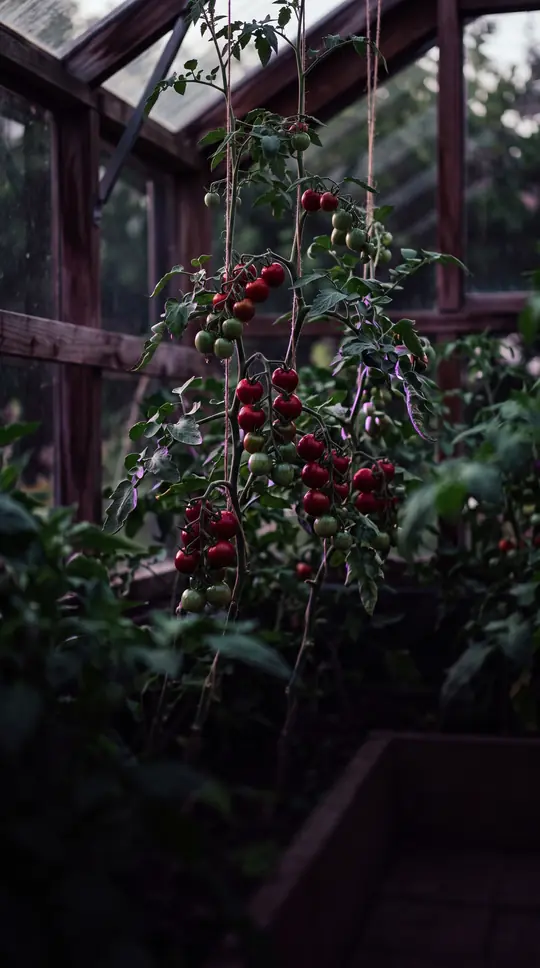
In short: From the common potato to the eggplant, the Solanum genus is a biological powerhouse. Yet, this diverse family of roughly 1,500 to 2,000 species is a double-edged sword, containing both essential global food crops and highly poisonous plants that can cause convulsions or death.
The genus Solanum is a vast and complex group within the nightshade family, Solanaceae. It is characterized by an incredible diversity of growth habits, ranging from small annuals and perennial vines to shrubs and even small trees. While many people associate the name 'nightshade' with toxicity, the genus is actually of immense economic importance because it includes three of the world's most vital food crops: the potato, the tomato, and the eggplant (also known as aubergine or brinjal).
Taxonomically, Solanum has been a moving target for scientists. The genus was established by Carl Linnaeus in 1753, but its internal classification remains problematic. For instance, the tomato was once considered its own genus, Lycopersicon, but is now included as a subgenus within Solanum. Modern DNA sequencing and cladistic analyses suggest that many traditional subdivisions are invalid, and the phylogeny of the genus is not yet fully resolved. Researchers are still working to determine which subgenera and sections deserve formal recognition.
The chemical profile of Solanum species is as varied as their morphology. Many species, such as Solanum dulcamara (woody nightshade), contain solanine, a toxin that can be fatal in large doses. Other species in the Solanum nigrum complex possess varying levels of toxins; while some are considered too dangerous to eat in North America and Europe, native people in parts of Africa, Asia, and North America have traditionally consumed the young stems, leaves, or fully ripened fruit of various species. This stands in contrast to the deadly nightshade (Atropa belladonna), which, while in the same family, belongs to a different tribe and relies on different toxins, such as atropine.
Opens the Intellect+ feed with this card first. Swipe up for the next one.
Sources
- Summary by Intellect · source: Solanum
To cite this card, link to https://intellectplus.co.uk/app/food-solanum.
How we source, check and correct cards: Editorial standards.
General information, not professional advice. Spotted an error? Flag the card or see corrections and complaints.
Intellect Plus is a visual educational discovery platform for exploring fascinating facts and ideas. Brain Food, Not Brain Rot. What is Intellect Plus?
Related
More in Vegetables · More in Food & Drink · Latest · A–Z · All topics
