The deceptive beauty of Phytolacca: A global genus of toxic yet vital plants
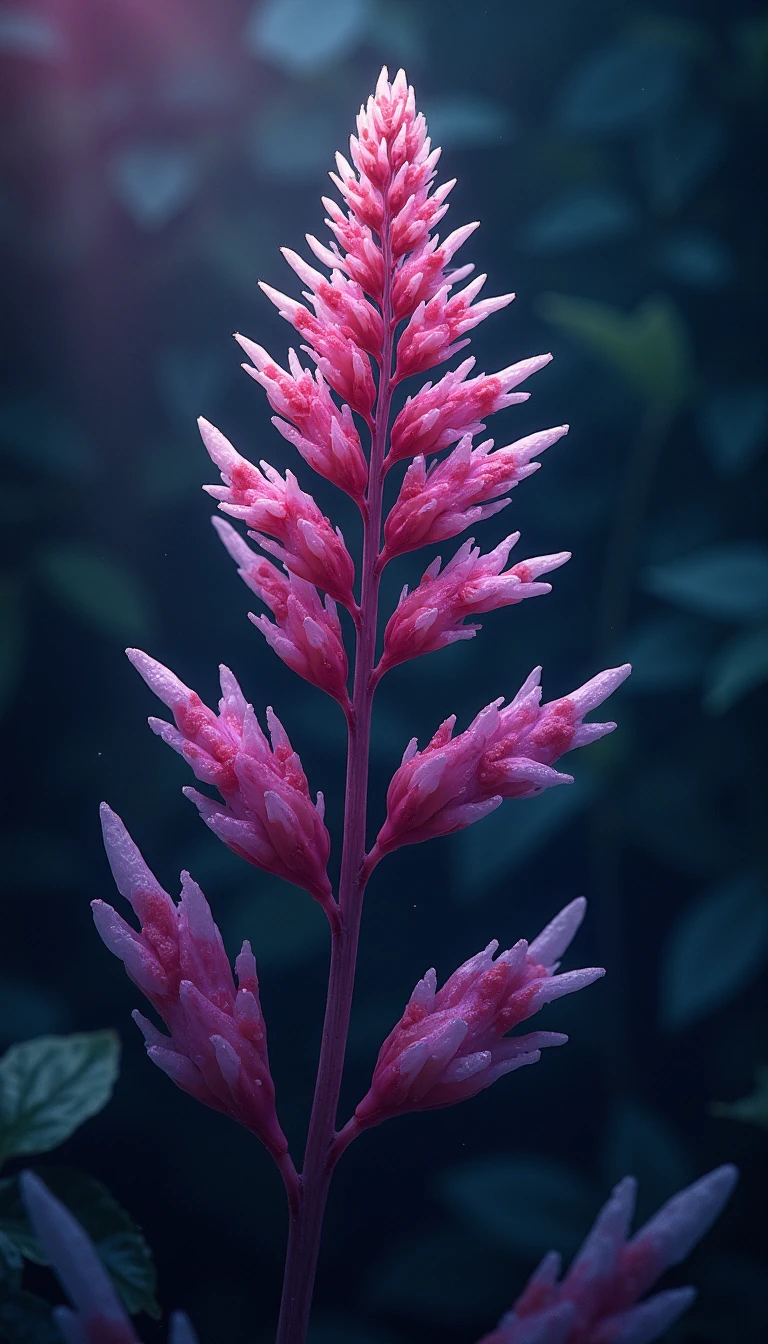
In short: Known by names like pokeweed and inkberry, Phytolacca is a diverse genus spanning herbs, shrubs, and trees. While some species serve as cultural symbols or food sources, they contain potent toxins that demand careful preparation. Understanding these plants requires navigating a complex history of biology, folklore, and survival.
The genus Phytolacca, derived from the Greek word for plant and the Latin term for red dye, encompasses roughly 25 to 35 species. These plants are native to North and South America as well as East Asia, though they have spread to every continent except Antarctica. They exhibit remarkable physical diversity, ranging from small herbs to the massive, tree-like ombú of the South American pampas, which can reach heights of up to 25 meters.
Survival is central to the Phytolacca identity. Species like the ombú and the Peruvian P. weberbaueri have evolved soft, water-storing wood and buttressed trunks, allowing them to withstand drought and grass fires. Their reproductive strategy is equally resilient; they produce berries that are toxic to mammals but harmless to birds and box turtles, which consume the fruit and disperse the seeds intact. This evolutionary success is ancient, with fossil evidence from the Upper Cretaceous period in Mexico suggesting a long-standing lineage of similar berry-bearing plants.
For humans, Phytolacca is a double-edged sword. American pokeweed, or P. americana, has a long history in folk medicine and traditional southern U.S. cuisine. However, the plant is inherently poisonous, containing harmful constituents like phytolaccatoxin and phytolaccagenin. While some culinary traditions involve boiling the plant through three changes of water to mitigate toxicity, the roots remain strictly inedible. Because of these risks, the plant is often viewed as an invasive nuisance in regions like the Pacific Northwest, despite its historical and cultural significance elsewhere.
The genus remains a subject of botanical study, with researchers distinguishing it from similar ancient forms like the fossilized Coahuilacarpon phytolaccoides. Whether serving as a symbol of gaucho culture or a subject of field guides in Wisconsin, Phytolacca demonstrates how a single genus can adapt to vastly different environments while maintaining a consistent, albeit dangerous, chemical defense mechanism.
Opens the Intellect+ feed with this card first. Swipe up for the next one.
Sources
- Summary by Intellect · source: Phytolacca
- Also: www.rhs.org.uk — Phytolacca americana | American pokeweed
To cite this card, link to https://intellectplus.co.uk/app/gardening-phytolacca.
How we source, check and correct cards: Editorial standards.
General information, not professional advice. Spotted an error? Flag the card or see corrections and complaints.
Intellect Plus is a visual educational discovery platform for exploring fascinating facts and ideas. Brain Food, Not Brain Rot. What is Intellect Plus?
Related
More in Plants · More in Gardening · Latest · A–Z · All topics
