Why your morning toast is a chemical reaction, a cultural icon, and a paradox
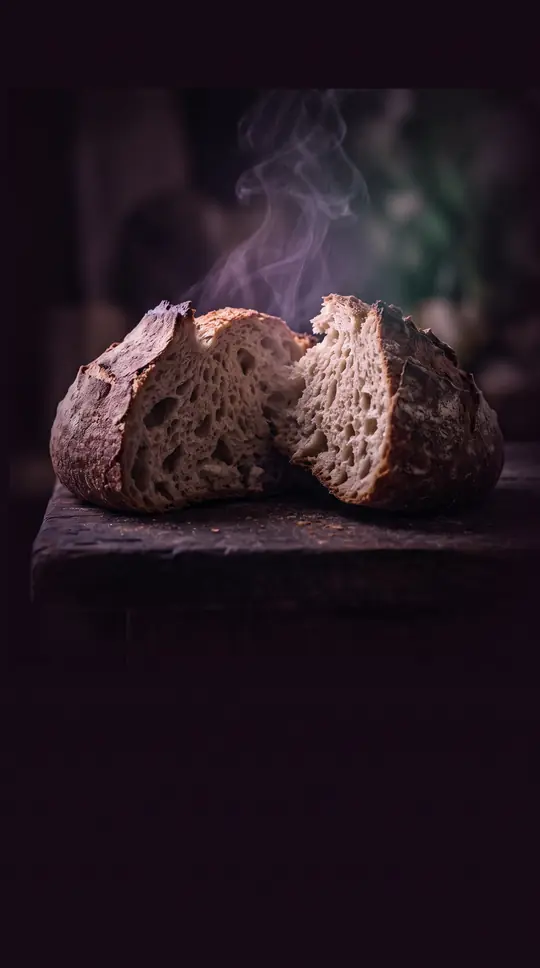
In short: Toast is more than browned bread; it is the result of the Maillard reaction, a complex chemical process occurring above 155 °C. From its origins as a drink additive in the 1400s to its status as a modern millennial symbol, toast remains a staple that defies simple culinary classification.
At its core, toast is bread transformed by radiant heat. The browning process, known as the Maillard reaction, requires surface temperatures between 155 °C and 190 °C to alter the bread's flavor and texture. While this process makes bread crispier and easier to digest by breaking down starches, it also triggers chemical changes. Toasting reduces concentrations of essential nutrients like thiamine and lysine, while simultaneously increasing the mass concentration of dietary fiber. The process also generates acrylamide, a substance suspected of being carcinogenic, though 2019 epidemiological studies suggest that dietary consumption is unlikely to increase cancer risk. To minimize exposure, the British Food Standards Agency recommends aiming for a golden yellow color.
The history of toast is surprisingly liquid. The word derives from the Latin 'torrere', meaning 'to burn', and for centuries, toast was primarily a flavoring agent for drinks. By the 1600s, this practice evolved into the social ritual of 'toasting' someone's health. It wasn't until much later that toast became a standalone breakfast staple. Its cultural footprint is vast, ranging from the 'eggs and soldiers' tradition in the United Kingdom to the post-World War II adoption of toast in Japanese school lunches. In the United States, 'artisanal toast' sparked a 2013 trend that drew criticism for its high price, while avocado toast has become a defining, if stereotypical, symbol of millennial culture.
Beyond the kitchen, toast has entered the realm of physics and pop culture. The 'buttered toast phenomenon'—the observation that toast tends to land butter-side down—was investigated in a 2001 study, which found it lands face-down at least 62% of the time. This is attributed to the physics of table height and the rotation of the slice. Meanwhile, the slang 'you're toast' gained prominence in the 1984 film Ghostbusters, marking a shift from culinary preparation to a metaphor for being finished or demolished. Whether it is being used in a sandwich, dipped into a soft-boiled egg, or serving as the subject of a scientific paradox, toast remains a remarkably versatile and enduring food.
Opens the Intellect+ feed with this card first. Swipe up for the next one.
Sources
- Summary by Intellect · source: Toast (food)
To cite this card, link to https://intellectplus.co.uk/app/food-toast-food.
How we source, check and correct cards: Editorial standards.
General information, not professional advice. Spotted an error? Flag the card or see corrections and complaints.
Intellect Plus is a visual educational discovery platform for exploring fascinating facts and ideas. Brain Food, Not Brain Rot. What is Intellect Plus?
Related
More in Cooking, food and drink · More in Food & Drink · Latest · A–Z · All topics
