Why the world’s most versatile sauce began as a pre-Columbian market staple
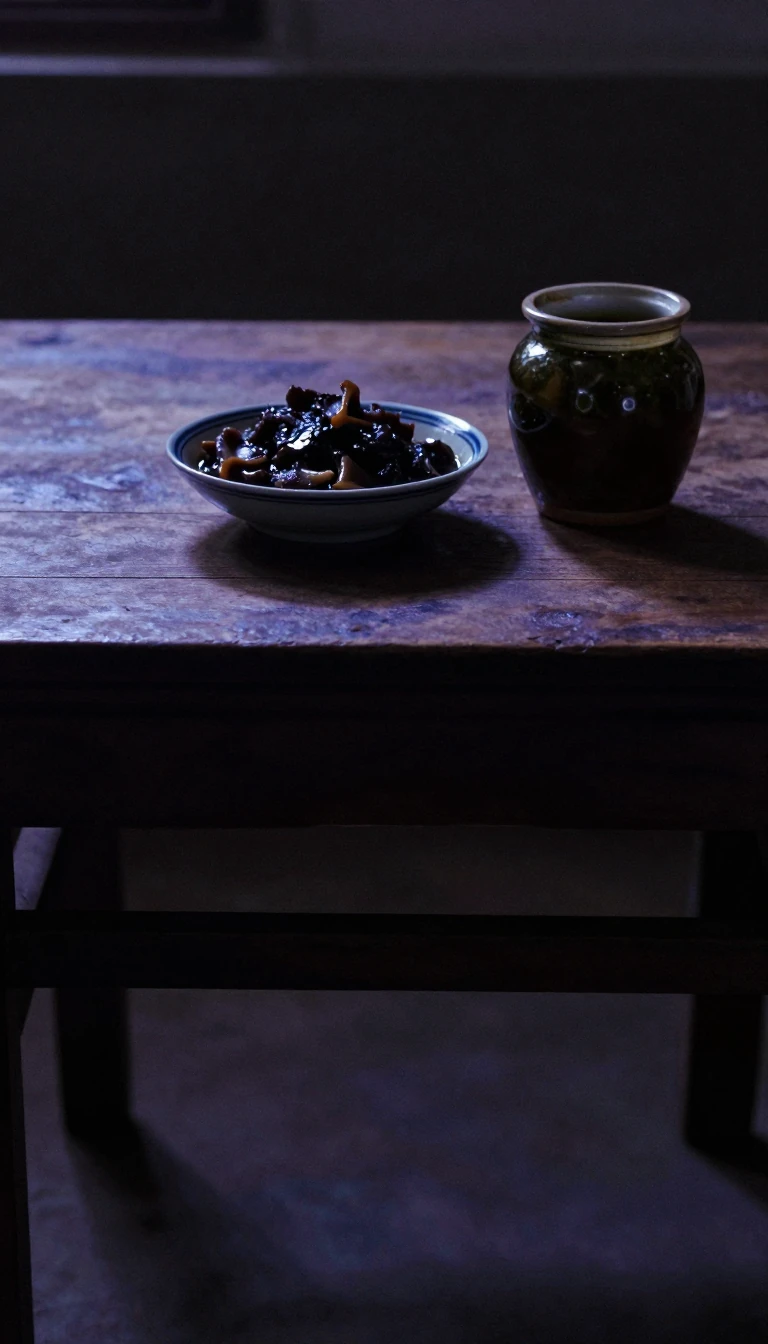
In short: Tomato sauce is a global culinary constant, yet its identity shifts from a simple condiment to a complex mother sauce depending on the border. While we often associate it with Italian pasta, its roots trace back to ancient Mesoamerican markets, long before it reached European kitchens or French cookbooks.
The history of tomato sauce is a story of cultural exchange and adaptation. Long before European contact, indigenous peoples in Central and South America utilized the tomato’s natural ability to thicken when stewed. Bernardino de Sahagún, a Spanish friar, provided the first European account of these preparations after observing them sold in the markets of Tenochtitlan. He described stews featuring tomatoes, peppers, and pumpkin seeds, marking the earliest written record of what we recognize as a tomato-based sauce.
By the late 17th century, the concept had migrated to Italy. Antonio Latini, serving as chef to the Spanish viceroy of Naples, included a recipe for 'Spanish-style' tomato sauce in his 1692 cookbook. It took nearly another century for the pairing of tomato sauce with pasta to appear in print, documented by Roman chef Francesco Leonardi in 1790. Simultaneously, the sauce gained traction in southern France, where it eventually evolved into one of the five foundational 'mother sauces' of French cuisine, a classification formalized by Auguste Escoffier in the early 1900s.
The definition of tomato sauce remains remarkably fluid. In the United States and Canada, it is often a jarred, unseasoned ingredient, whereas in Australia and South Africa, it functions as a tangy table condiment similar to ketchup. Meanwhile, raw preparations persist globally, from the Mexican pico de gallo to the French sauce vierge, popularized by Michel Guérard in 1976. Whether cooked down with pork belly and roux in a classic French kitchen or crushed fresh in a stone molcajete, the sauce’s versatility stems from the tomato's unique composition—a high water content and soft flesh that requires no artificial thickeners to achieve a perfect consistency.
Opens the Intellect+ feed with this card first. Swipe up for the next one.
Sources
- Summary by Intellect · source: Tomato sauce
To cite this card, link to https://intellectplus.co.uk/app/food-tomato-sauce.
How we source, check and correct cards: Editorial standards.
General information, not professional advice. Spotted an error? Flag the card or see corrections and complaints.
Intellect Plus is a visual educational discovery platform for exploring fascinating facts and ideas. Brain Food, Not Brain Rot. What is Intellect Plus?
Related
More in Cooking, food and drink · More in Food & Drink · Latest · A–Z · All topics
