The mysterious, many-named grains that can turn sugar water into fizz
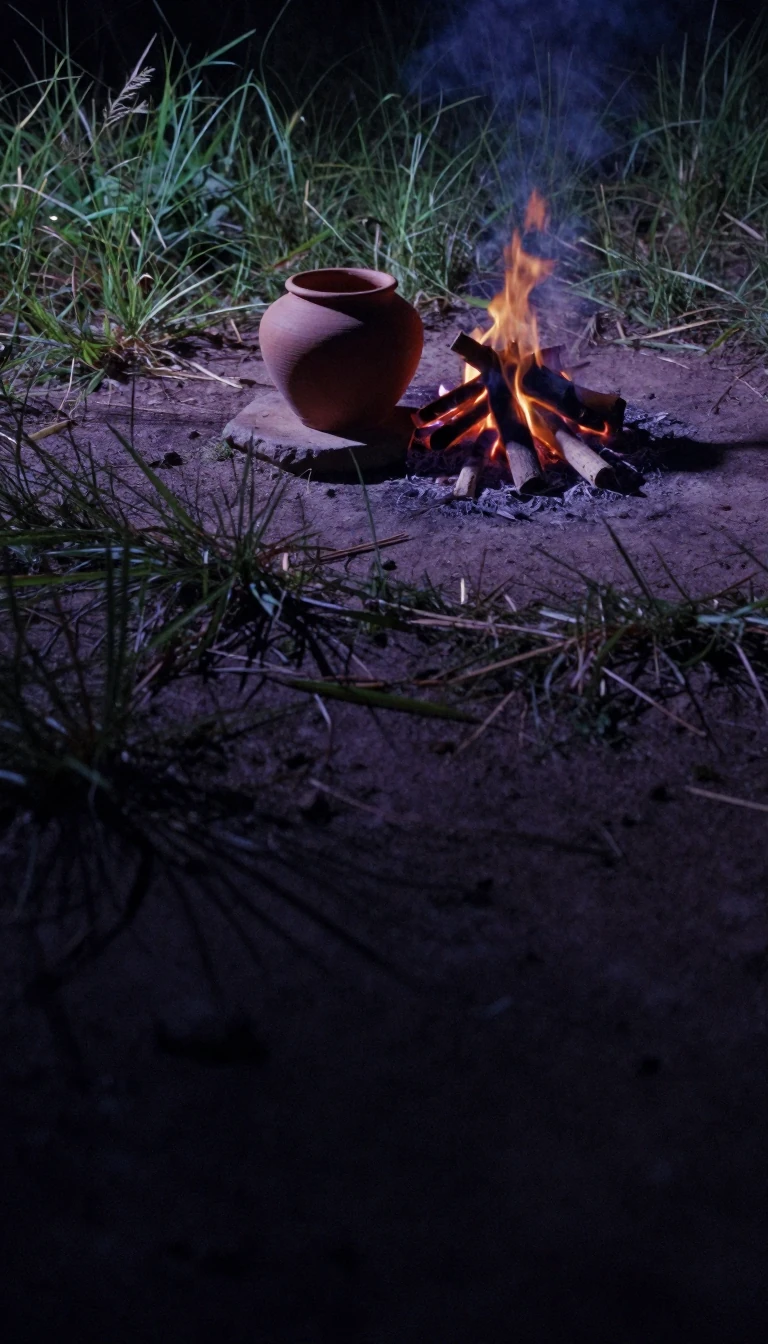
In short: Known variously as 'Japanese beer seeds' or 'California bees,' water kefir is a living, symbiotic culture. This ancient, bubbly probiotic offers a plant-based alternative to milk kefir, but the true origins of its unique, gelatinous grains remain one of microbiology's enduring mysteries.
Water kefir, often called tibicos, is a fermented beverage produced by a complex biofilm matrix of bacteria and yeast. This symbiotic community feeds on sugar, producing lactic acid, ethanol, and carbon dioxide, which naturally carbonates the drink. While it serves as a probiotic alternative to milk-based drinks or kombucha, the grains themselves are remarkably diverse. Depending on the ingredients and environment, they have been historically referred to by names as varied as 'ale nuts,' 'eternity grains,' and 'ginger beer plants.'
The history of these grains is shrouded in unproven legends. In 1889, Martinus Beijerinck hypothesized that British soldiers brought the grains home following the Crimean War in 1855. However, Harry Marshall Ward dismissed this in 1892 as unsubstantiated. Other theories suggest a more botanical origin; for instance, Lutz reported in 1899 that 'Tibi grains' could be harvested from the leaves of the Mexican cactus, Opuntia, and then reconstituted in sugar water.
Maintaining a healthy culture requires precision. The fermentation typically lasts 24 to 48 hours at temperatures between 20–30 °C (70–85 °F). Brewers must avoid chlorine, sulfites, and reactive metals like copper or aluminum, which can release damaging ions. Interestingly, research shows that the type of sugar used matters: fermenting with brown sugar has demonstrated significant antimicrobial activity against pathogens such as E. coli and Staphylococcus aureus.
Biologically, the structure of the grains is maintained by Lactobacillus brevis, which produces the dextran polysaccharide that forms the matrix. While no two cultures are exactly alike, they typically share a common cast of characters, including Lactobacillus, Streptococcus, and yeasts such as Saccharomyces and Candida.
Opens the Intellect+ feed with this card first. Swipe up for the next one.
Sources
- Summary by Intellect · source: Water kefir
To cite this card, link to https://intellectplus.co.uk/app/food-water-kefir.
How we source, check and correct cards: Editorial standards.
General information, not professional advice. Spotted an error? Flag the card or see corrections and complaints.
Intellect Plus is a visual educational discovery platform for exploring fascinating facts and ideas. Brain Food, Not Brain Rot. What is Intellect Plus?
Related
More in Fermented foods · More in Food & Drink · Latest · A–Z · All topics
