The science and the story behind the world's most famous probiotic milk drink
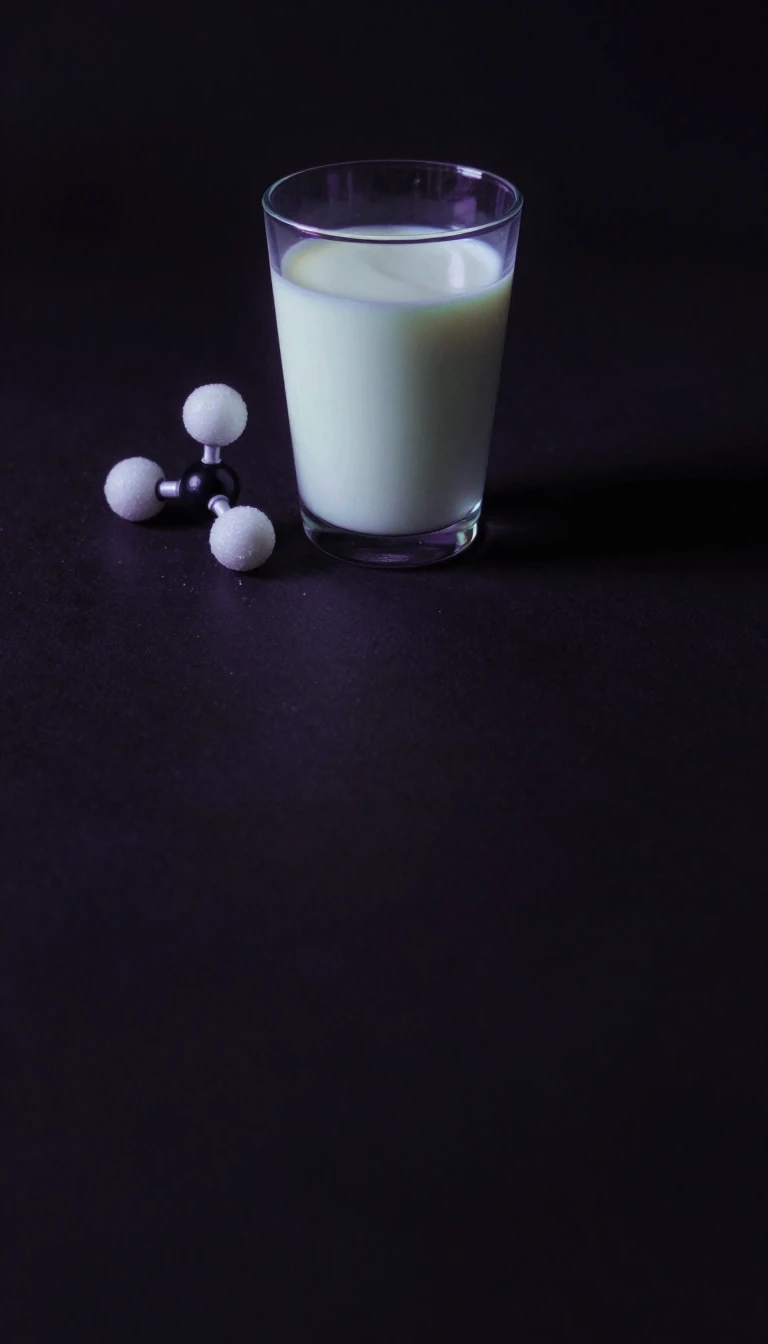
In short: Invented in 1935 by Minoru Shirota, this Japanese fermented milk drink has become a global phenomenon. While its signature Lacticaseibacillus casei Shirota bacteria are famous, the path from a laboratory in Japan to international pop culture stardom involves complex manufacturing, regulatory battles, and even a boost from Hollywood.
The origins of Yakult trace back to 1930, when scientist Minoru Shirota successfully cultured the specific bacterial strain that defines the product. By 1935, production began in Japan, and the company Yakult Honsha was formally established in 1955. The name itself is derived from the Esperanto word for yogurt, jahurto. The manufacturing process is precise: skimmed milk is mixed with glucose and heated to 90–95 °C for 30 minutes, then cooled to 45 °C before being inoculated with the bacteria. This mixture is incubated for six to seven days at 37–38 °C, after which water, sugar, gums, and lactic acid are added to create the final beverage.
Yakult’s expansion has been marked by both logistical innovation and marketing hurdles. In 1963, the company introduced its iconic home delivery service, employing 'Yakult ladies' to bring the product directly to consumers. International growth followed rapidly, reaching Taiwan in 1964, Brazil in 1968, and eventually expanding to markets like Australia, Great Britain, and the United States by 1994. The company has also navigated shifting consumer tastes, launching lower-sugar versions like Yakult LIGHT, which was reformulated in 2017 to include stevia.
Despite its popularity, the product has faced significant regulatory scrutiny regarding its health claims. While some panels have acknowledged evidence that daily consumption might aid bowel movements or gut flora, the European Food Safety Authority (EFSA) has rejected many broader health claims, including those suggesting the drink protects against respiratory pathogens. In 2013, the UK Advertising Standards Authority even disallowed an advertisement for failing to provide specific, referenced support for general health claims. Nevertheless, the brand remains a cultural force, seeing measurable sales spikes following appearances in films like the 2015 movie Ant-Man and the 2018 release To All the Boys I've Loved Before.
Opens the Intellect+ feed with this card first. Swipe up for the next one.
Sources
- Summary by Intellect · source: Yakult
To cite this card, link to https://intellectplus.co.uk/app/food-yakult.
How we source, check and correct cards: Editorial standards.
General information, not professional advice. Spotted an error? Flag the card or see corrections and complaints.
Intellect Plus is a visual educational discovery platform for exploring fascinating facts and ideas. Brain Food, Not Brain Rot. What is Intellect Plus?
Related
More in Cooking, food and drink · More in Food & Drink · Latest · A–Z · All topics
