Is white chocolate actually chocolate, or just a sweet, ivory-colored confection?
In short: White chocolate is a polarizing treat, often dismissed as mere sugar and fat. While purists argue it lacks the essential non-fat cocoa solids that define real chocolate, it remains a complex industrial product. From its accidental origins to its status as a global luxury, its identity remains a subject of debate.
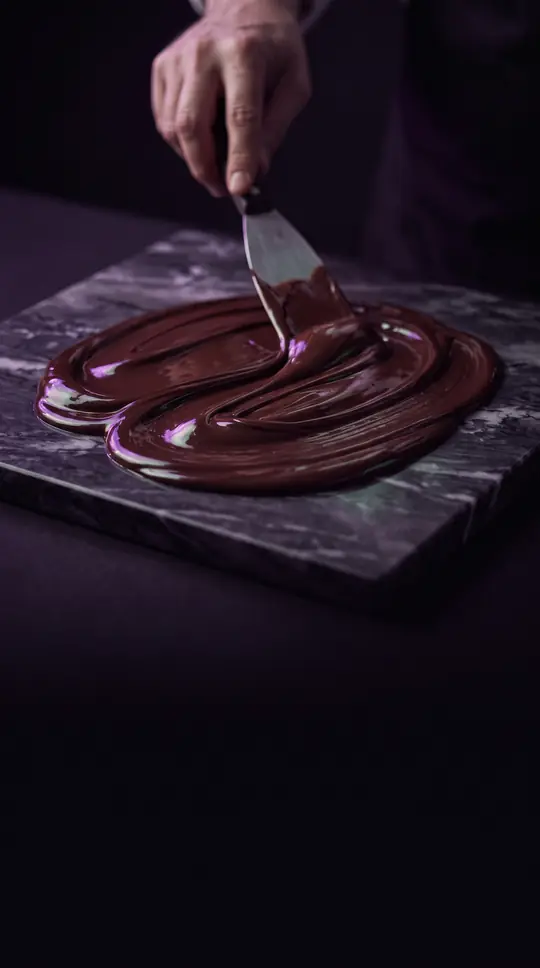
The status of white chocolate as 'real' chocolate is a long-standing point of contention. Because it excludes the non-fat components of cocoa—the dark powder that gives traditional chocolate its identity—critics often label it as cloying or bland. Industrially, it is crafted through a precise five-step process: mixing, refining, conching, standardizing, and tempering. This sequence is notoriously difficult to manage, as white chocolate’s high milk fat content makes it prone to thickening and caramelization at temperatures that would be safe for darker varieties. Consequently, it requires lower processing temperatures and more careful handling to achieve the desired snap and stability.
The history of white chocolate is shrouded in uncertainty, though a general consensus points to the 1936 launch of Nestlé’s Galak tablet as the first commercial product. Some accounts suggest it emerged from a post-World War I surplus of milk powder, while others claim it was an accidental discovery during the production of a vitamin coating. For decades, it was marketed primarily as a children's food, particularly in Europe. It wasn't until the 1980s that it gained traction in the United States, fueled by a fad for white chocolate mousse and aggressive marketing toward adult consumers.
Regulatory definitions have struggled to keep pace with the product's evolution. In the United States, the FDA did not establish a formal standard of identity until 2004, requiring a minimum of 20% cocoa butter and 3.5% milk fat. This regulation was a response to a decade of lobbying and the need to distinguish genuine white chocolate from 'compound coatings' made with palm kernel or hydrogenated fats. Today, the market is defined by a sharp generational divide, with younger consumers in the UK and US showing significantly higher preferences for the product than older demographics.
Beyond its standard form, the culinary world has pushed boundaries with variants like blond chocolate, created by slowly cooking white chocolate until it develops toasted, caramel notes. Despite its muted flavor profile compared to dark chocolate, its plasticity and ability to pair with ingredients like matcha or caviar have cemented its place in both home kitchens and high-end gastronomy.
Opens the Intellect+ feed with this card first. Swipe up for the next one.
Sources
- Summary by Intellect · source: White chocolate
To cite this card, link to https://intellectplus.co.uk/app/food-white-chocolate.
How we source, check and correct cards: Editorial standards.
General information, not professional advice. Spotted an error? Flag the card or see corrections and complaints.
Intellect Plus is a visual educational discovery platform for exploring fascinating facts and ideas. Brain Food, Not Brain Rot. What is Intellect Plus?
Related
More in Cooking, food and drink · More in Food & Drink · Latest · A–Z · All topics
