Why white tea is the most mysterious and least processed drink in your cup
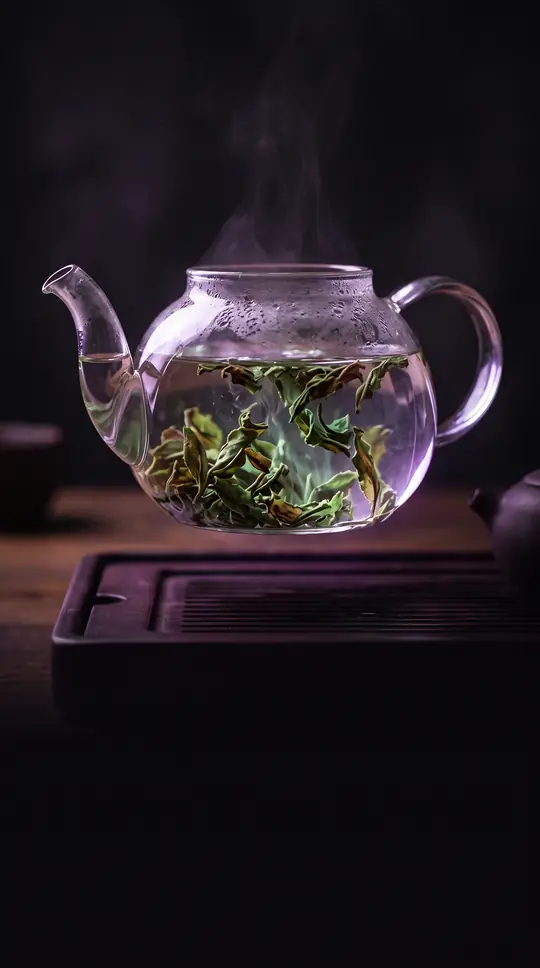
In short: White tea is not a single defined product, but a category of minimally processed Camellia sinensis leaves. Despite its name, the brew is pale yellow, named for the silvery hairs on unopened buds. Because it is neither rolled nor oxidized, it remains closer to the plant's natural state than any other tea.
The identity of white tea is surprisingly elusive. There is no international consensus on what constitutes the category, leading to varied production methods ranging from simple air-drying to steaming or firing before the drying process. Most definitions agree that white tea is never rolled or oxidized, which preserves its delicate profile. The tea's name is a visual descriptor, referring to the fine, silvery-white hairs found on the unopened buds of the plant, rather than the color of the final liquid, which is pale yellow.
Production is centered in China, particularly the Fujian province, though it has expanded to regions including Taiwan, Thailand, India, and Nepal. The manufacturing process is deceptively simple: fresh leaves undergo withering followed by air, solar, or mechanical drying. Because the leaves are not steamed to denature oxidative enzymes, early English publications in 1876 actually categorized white tea as a type of black tea. Today, Chinese white tea is organized into a quality hierarchy, with Baihao Yinzhen—consisting solely of buds—representing the highest grade, while Shoumei, containing more leaves and fewer buds, sits at the bottom.
The health profile of white tea is often linked to its polyphenol content, specifically catechins, which are phytonutrients also found in green tea. Concentrations vary significantly based on cultivation and processing, often overlapping with those of green tea. Caffeine levels are equally inconsistent; while some studies suggest white tea contains less caffeine than green tea, estimates for a single cup range from under 10 mg to over 50 mg. This variability makes it difficult for researchers to establish a definitive relationship between tea variety and caffeine content, as brewing methods and plant sources play a massive role in the final chemistry of the cup.
Opens the Intellect+ feed with this card first. Swipe up for the next one.
Sources
- Summary by Intellect · source: White tea
To cite this card, link to https://intellectplus.co.uk/app/food-white-tea.
How we source, check and correct cards: Editorial standards.
General information, not professional advice. Spotted an error? Flag the card or see corrections and complaints.
Intellect Plus is a visual educational discovery platform for exploring fascinating facts and ideas. Brain Food, Not Brain Rot. What is Intellect Plus?
Related
More in Cooking, food and drink · More in Food & Drink · Latest · A–Z · All topics
