The art of pickling your kitchen waste into soil gold
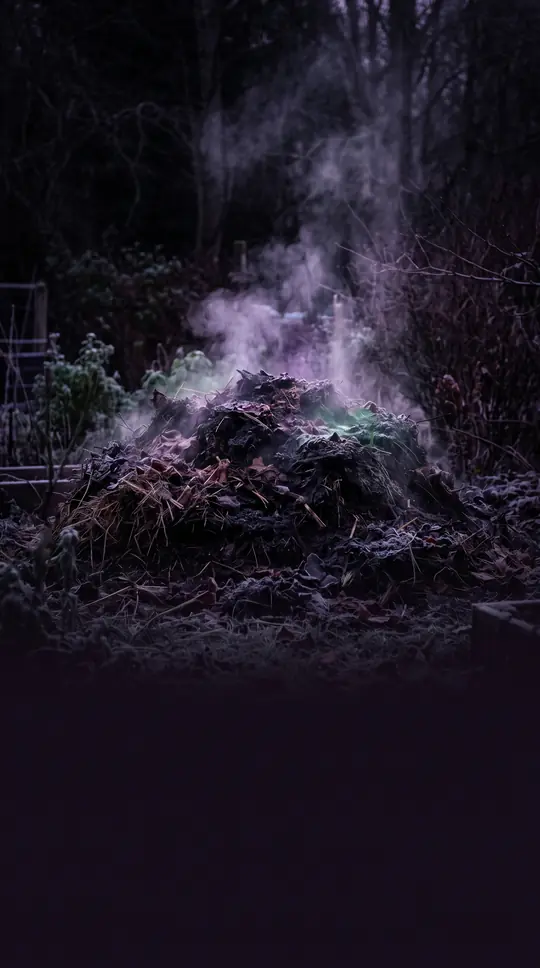
In short: Most composting methods require air and heat, but Bokashi takes a different path: fermentation. By creating an anaerobic environment, this Korean-originated technique allows you to recycle complex scraps like cooked meat and dairy—items usually forbidden in traditional heaps—turning them into nutrient-rich pre-compost without the typical odors or emissions.
Bokashi is technically a fermentation process rather than true composting. While traditional hot composting relies on aerobic microorganisms that require oxygen to break down organic matter, Bokashi works anaerobically by excluding air. Originating in Korea and popularized in Japan during the 1980s, the system uses an inoculant—typically rice, wheat, or sawdust bran—mixed with yeast, photosynthetic bacteria, and lactic acid bacteria. These microbes convert carbohydrates into lactic acid, effectively 'pickling' the waste.
The mechanism is chemically similar to making silage or certain fermented foods. As the organic matter ferments in an airtight vessel at room temperature, it produces a liquid byproduct known as 'bokashi tea.' This tea contains high nutrient levels and can be diluted 1:10 for use as a plant foliar spray or used neat to clear drains. Because the process preserves nutrients within the cycle rather than allowing them to leach out, it is highly efficient for urban environments where space is limited.
A key distinction for gardeners is that Bokashi does not fully decompose food on its own; it reaches a 'pre-compost' stage after about two weeks. At this point, the waste looks like 'pickled' food and must be either buried in the ground or added to a traditional compost bin to finish breaking down. If buried, it is recommended to leave it for an additional two weeks before planting to allow the initial acidity to neutralize. This method allows for a much wider range of inputs—including cooked vegetables and meat—than standard heaps.
Maintenance requires monitoring the fermentation environment. A healthy process should smell acidic and slightly sweet, like vinegar; foul odors indicate rot rather than fermentation. While white mould is generally a sign of successful fermentation (provided the bin remains airtight), black or green mould suggests the waste is rotting and may need to be discarded.
Opens the Intellect+ feed with this card first. Swipe up for the next one.
Sources
- Summary by Intellect · source: How to recycle food waste with bokashi / RHS
- Also: Bokashi (horticulture)
To cite this card, link to https://intellectplus.co.uk/app/gardening-bokashi-horticulture.
How we source, check and correct cards: Editorial standards.
General information, not professional advice. Spotted an error? Flag the card or see corrections and complaints.
Intellect Plus is a visual educational discovery platform for exploring fascinating facts and ideas. Brain Food, Not Brain Rot. What is Intellect Plus?
Related
More in Soil · More in Gardening · Latest · A–Z · All topics
