The Golden Chanterelle is more than a culinary icon; it is a biological powerhouse.
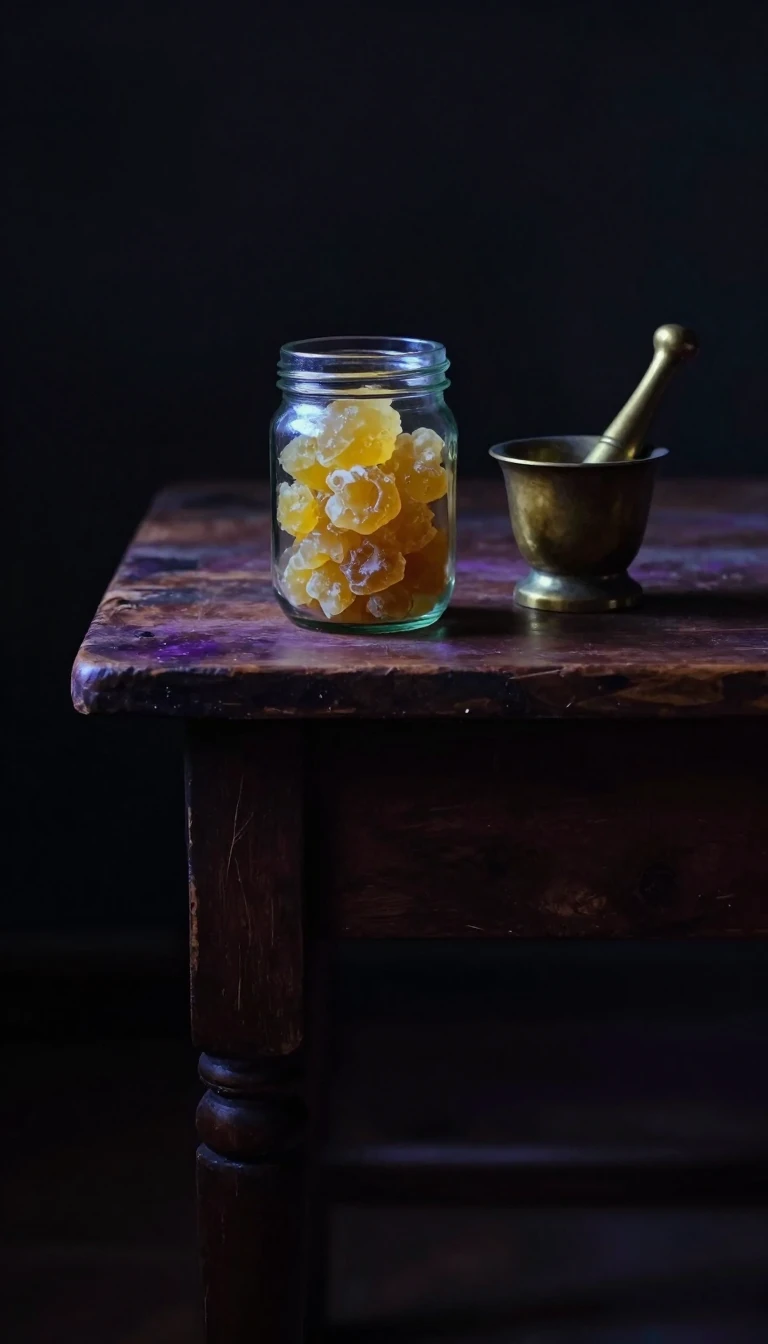
In short: Known as the Golden chanterelle or girolle, Cantharellus cibarius is prized for its apricot-like aroma and culinary versatility. Beyond the plate, this wild ectomycorrhizal mushroom is a complex nutraceutical, packed with bioactive compounds that offer a wide array of potential therapeutic benefits, from antioxidant activity to immune-modulating properties.
The Golden chanterelle, scientifically classified as Cantharellus cibarius, is a highly valued wild mushroom found across Europe, from Scandinavia to the Mediterranean. While once considered a single global species, modern DNA analysis has revealed it to be part of a complex group. In Europe, the true C. cibarius is distinguished from related species identified in North America and Asia, such as C. formosus and C. anzutake. These mushrooms typically thrive in deciduous and coniferous forests, appearing between June and December.
Nutritionally, the chanterelle is notable for its high content of carbohydrates, proteins, and dietary fiber, alongside a low-fat profile. Its sporocarp—the visible fruiting body—is a rich source of bioactive metabolites, including β-glucans, tocopherols, and essential minerals like selenium and zinc. These components contribute to the mushroom's diverse biological properties, which researchers have linked to potential anticancer, anti-inflammatory, and antibacterial effects. The presence of lectins and selenoproteins further underscores its status as a significant nutraceutical.
Despite its popularity, the chanterelle requires careful identification to avoid confusion with toxic look-alikes like the jack-o'lantern mushroom. For culinary use, specimens should be handled with care, as they are prone to rot if too watery. While they can be preserved through drying or freezing, traditional oven-drying is often discouraged as it can impart a bitter taste. Ongoing research continues to explore the mechanisms behind its medicinal potential, as well as strategies for valorizing waste materials generated during its processing for pharmaceutical and dietary supplement applications.
Opens the Intellect+ feed with this card first. Swipe up for the next one.
Sources
- Summary by Intellect · source: Nutritional, Nutraceutical, and Medicinal Potential of Cantharellus cibarius Fr.: A Comprehensive Review
- Also: Cantharellus cibarius
To cite this card, link to https://intellectplus.co.uk/app/gardening-cantharellus-cibarius.
How we source, check and correct cards: Editorial standards.
General information, not professional advice. Spotted an error? Flag the card or see corrections and complaints.
Intellect Plus is a visual educational discovery platform for exploring fascinating facts and ideas. Brain Food, Not Brain Rot. What is Intellect Plus?
Related
More in Fungi · More in Gardening · Latest · A–Z · All topics
