Chytrids are microscopic fungi that swim through water using a single whiplash flagellum
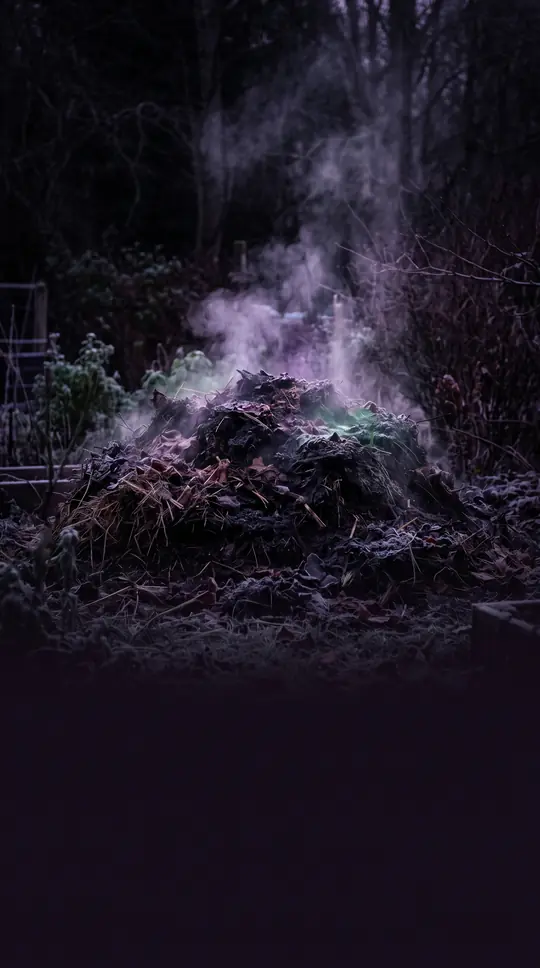
In short: Known as little pots, these ancient fungi are unique for their motile zoospores. While most fungi grow as stationary mycelium, chytrids thrive in wet environments, acting as saprobes or parasites. Their biology challenges traditional fungal definitions, revealing a complex world of aquatic reproduction and diverse, specialized growth patterns.
Chytridiomycota, or chytrids, represent one of the earliest diverging lineages within the kingdom Fungi. Their classification as fungi is supported by their chitin cell walls, absorptive nutrition, and use of glycogen for energy storage. Unlike many terrestrial fungi, chytrids are primarily aquatic or found in damp soils, distinguished by their production of zoospores—motile cells equipped with a single, posterior whiplash flagellum used for movement.
The life cycle of a chytrid is defined by its interaction with its substrate. Upon finding a suitable host or organic material through chemotaxis or phototaxis, the zoospore encysts and releases enzymes to break down the material. Growth patterns vary significantly; some species are holocarpic, producing only a zoosporangium, while others are eucarpic, developing rhizoids to anchor themselves. These structures are coenocytic, often lacking true mycelium, and can be either monocentric or polycentric depending on how many zoosporangia a single spore generates.
Reproduction in chytrids is highly varied. While asexual reproduction via mitosis is common, sexual reproduction occurs through diverse methods, including the fusion of isogametes or oogamy, where a motile male gamete fertilizes a stationary female structure. In many cases, these processes result in a resting spore, an essential survival mechanism for enduring adverse environmental conditions. Once conditions improve, the resting spore germinates, releasing a new generation of zoospores to begin the cycle anew.
Taxonomy within this phylum has shifted from morphology-based classification to molecular phylogenetics. Older systems relied on developmental features and zoospore discharge mechanisms—such as operculate release via a lid-like structure or inoperculate release through pores—but these traits often prove unreliable due to high variation. Modern research now emphasizes molecular data and ultrastructure analysis, which has led to the reclassification of several groups, such as the Blastocladiales and Neocallimastigales, into their own distinct phyla.
Opens the Intellect+ feed with this card first. Swipe up for the next one.
Sources
- Summary by Intellect · source: Chytridiomycota | aquatic, zoosporic, saprobic | Britannica
- Also: Chytridiomycota
To cite this card, link to https://intellectplus.co.uk/app/gardening-chytridiomycota.
How we source, check and correct cards: Editorial standards.
General information, not professional advice. Spotted an error? Flag the card or see corrections and complaints.
Intellect Plus is a visual educational discovery platform for exploring fascinating facts and ideas. Brain Food, Not Brain Rot. What is Intellect Plus?
Related
More in Fungi · More in Gardening · Latest · A–Z · All topics
