Why your bananas ripen but your strawberries do not
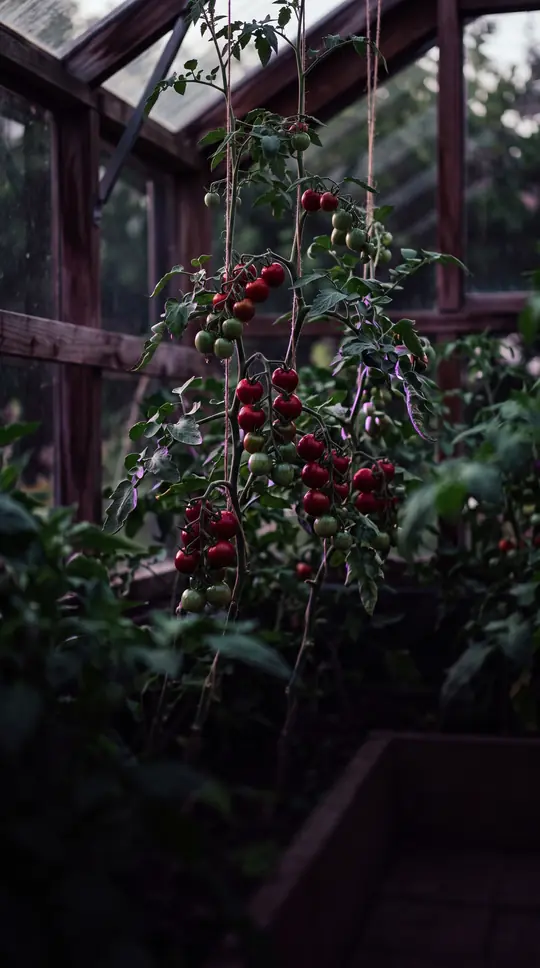
In short: Most fruit follows a strict biological schedule, but some have a secret 'on' switch. Understanding the climacteric process explains why certain fruits can be harvested green and ripen perfectly in your kitchen, while others must be picked at the peak of their perfection.
The distinction between fruit types lies in their respiratory behavior. Climacteric fruits, such as apples, bananas, and tomatoes, undergo a dramatic 'respiratory burst'—a sudden spike in cellular respiration and carbon dioxide production—that marks the onset of ripening. This process is typically accompanied by a surge in ethylene, a gaseous plant hormone. Because of this internal mechanism, climacteric fruits can continue to mature after being harvested from the parent plant, making them ideal for commercial shipping and storage.
In contrast, non-climacteric fruits like grapes and citrus do not experience this respiratory spike or ethylene burst. Their ripening process is slower and generally requires them to remain attached to the parent plant to reach full maturity. However, the line between these categories is blurring. Recent research indicates that some non-climacteric varieties, such as certain grapes, possess active ethylene receptors that are modulated during ripening, suggesting that the simple binary classification of 'ethylene-dependent' versus 'ethylene-independent' is not always perfectly accurate.
The mechanism behind the climacteric burst is a sophisticated two-stage system. In immature fruit, a negative feedback loop inhibits ethylene biosynthesis to prevent premature ripening. Once the fruit reaches full maturity, it switches to an autocatalytic system where ethylene promotes its own production. This ensures that once ripening begins, it happens evenly across the fruit. This transition is governed by epigenetic mechanisms and involves a biochemical pathway where the amino acid methionine is converted into ACC, and finally into ethylene by the enzyme ACC oxidase. This chemical cascade triggers the conversion of starch into sugars, changes in pigment, and the softening of texture.
Opens the Intellect+ feed with this card first. Swipe up for the next one.
Sources
- Summary by Intellect · source: Climacteric (botany)
To cite this card, link to https://intellectplus.co.uk/app/gardening-climacteric-botany.
How we source, check and correct cards: Editorial standards.
General information, not professional advice. Spotted an error? Flag the card or see corrections and complaints.
Intellect Plus is a visual educational discovery platform for exploring fascinating facts and ideas. Brain Food, Not Brain Rot. What is Intellect Plus?
Related
More in Fruit · More in Gardening · Latest · A–Z · All topics
