Is the family farm a dying relic or the backbone of modern global agriculture?
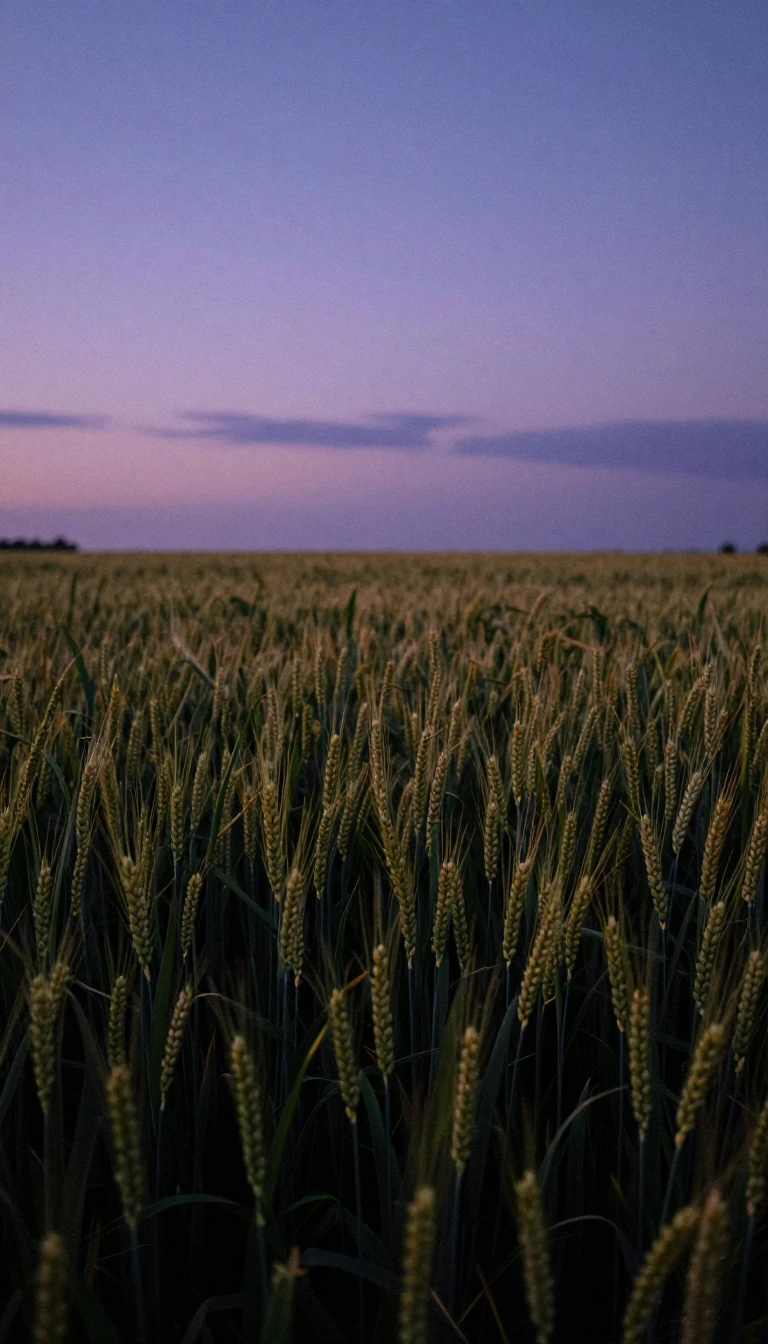
In short: While often romanticized as a small, traditional homestead, the family farm is a complex, evolving business model. From ancient Germanic estates to modern corporate-structured operations, the definition shifts across cultures and centuries. Today, these farms remain the dominant force in global food production, despite facing intense pressure from industrial-scale economics.
The concept of a family farm defies a single, universal definition. In the United States, a family farm is defined by ownership structure rather than size, allowing large-scale, intensive operations to fall under the label. Conversely, in Brazil, the term is legally restricted to smallholdings. Globally, families manage at least 500 million of the estimated 570 million farms, making them the predominant force in agriculture. This diversity reflects deep-seated historical differences, such as the contrast between the Roman latifundia—large estates reliant on slave labor—and the Germanic tradition of heritable, family-owned allodial estates.
The evolution of the family farm is inextricably linked to the decline of manorialism and the rise of the Industrial Revolution. As mechanization enabled the cultivation of vast areas, traditional subsistence farming became increasingly difficult to sustain. This shift forced many to abandon rural life, while others adapted by adopting new management technologies. Today, the classic family farm faces significant economic hurdles, including the need for economies of scale, fluctuating oil prices, and the complexities of commodity futures and wholesale infrastructure. Many farms now operate as corporations or trusts to manage liability and tax concerns, blurring the line between family-owned and corporate agribusiness.
Despite these challenges, the family farm remains a powerful political symbol. In many developed nations, including Japan, Germany, and the United States, it serves as a rallying cry for social stability and tradition. Thomas Jefferson famously argued that widespread family ownership was essential for democratic stability, a sentiment that continues to influence modern agricultural subsidies. However, critics argue that the idealized small family farm is becoming obsolete, unable to compete with the efficiency of modern, large-scale operations. As farm wives increasingly seek off-farm income and younger generations look elsewhere for careers, the future of the family farm remains a subject of intense debate.
Opens the Intellect+ feed with this card first. Swipe up for the next one.
Sources
- Summary by Intellect · source: Family farm
To cite this card, link to https://intellectplus.co.uk/app/gardening-family-farm.
How we source, check and correct cards: Editorial standards.
General information, not professional advice. Spotted an error? Flag the card or see corrections and complaints.
Intellect Plus is a visual educational discovery platform for exploring fascinating facts and ideas. Brain Food, Not Brain Rot. What is Intellect Plus?
Related
More in Agriculture · More in Gardening · Latest · A–Z · All topics
