Why the future of sustainable materials might be found in your garden
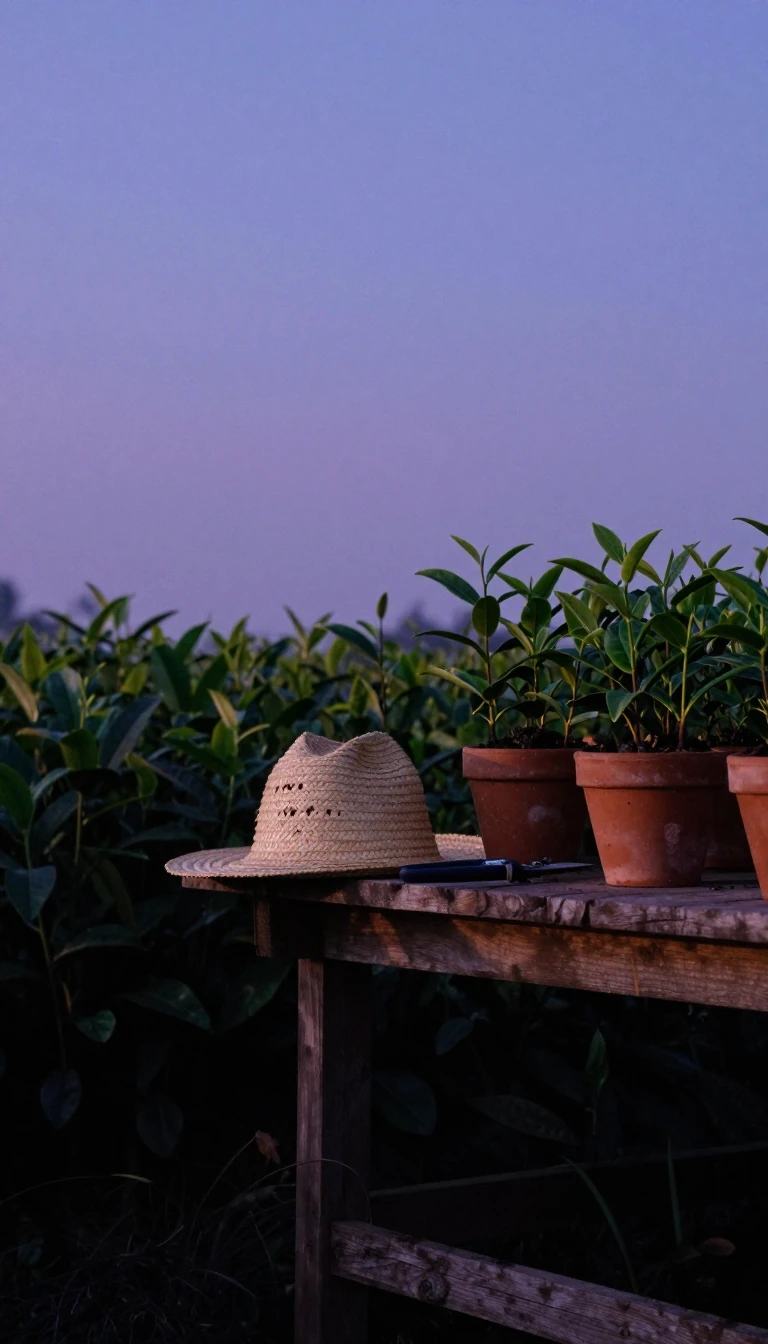
In short: Fiber crops are plants cultivated specifically for their cellulose-rich stalks and leaves, traditionally used for rope, cloth, and paper. Unlike trees, which take years to mature, these crops offer a rapid, renewable alternative. As materials science evolves, these humble plants are moving beyond textiles into high-performance composite materials.
Fiber crops are defined by their high cellulose content, which provides the structural integrity required for industrial applications. Botanically, these fibers are categorized by their origin within the plant: bast fibers from phloem, hard fibers from vascular bundles, surface fibers from epidermal tissue, and pith. Each category requires a distinct extraction method. Bast fibers, for instance, undergo retting, where microbes break down soft tissues to isolate the fibrous material. Hard fibers are processed via decortication, while surface fibers are harvested through ginning.
Historically, paper production relied heavily on recycled textiles—rags made from hemp, ramie, linen, or cotton—until the introduction of wood pulp in 1843. This shift fundamentally changed the industry, moving away from a reliance on ragpickers. Today, fiber crops are re-emerging as a viable alternative to wood pulp, occasionally outperforming it in cost, environmental impact, and technical specifications. Plants like kenaf, jute, and abacá offer versatile applications, ranging from edible leaves to high-strength rope.
Despite their potential, scaling fiber crops presents logistical hurdles. Unlike trees, which allow for continuous harvesting, field crops are typically harvested once per year. This creates a significant challenge for pulp mills that require thousands of tonnes of material daily, as the crop must be stored for months without rotting. Furthermore, the industry is increasingly exploring chemical modifications, such as the creation of viscose for rayon and cellophane, alongside new uses in advanced composite materials. As we look for sustainable alternatives to traditional timber, the ability to manage these seasonal harvests effectively remains the primary barrier to widespread adoption.
Opens the Intellect+ feed with this card first. Swipe up for the next one.
Sources
- Summary by Intellect · source: Fiber crop
To cite this card, link to https://intellectplus.co.uk/app/gardening-fiber-crop.
How we source, check and correct cards: Editorial standards.
General information, not professional advice. Spotted an error? Flag the card or see corrections and complaints.
Intellect Plus is a visual educational discovery platform for exploring fascinating facts and ideas. Brain Food, Not Brain Rot. What is Intellect Plus?
Related
More in Agriculture · More in Gardening · Latest · A–Z · All topics
