Why this Japanese winter squash actually owes its name to Portuguese sailors from Cambodia
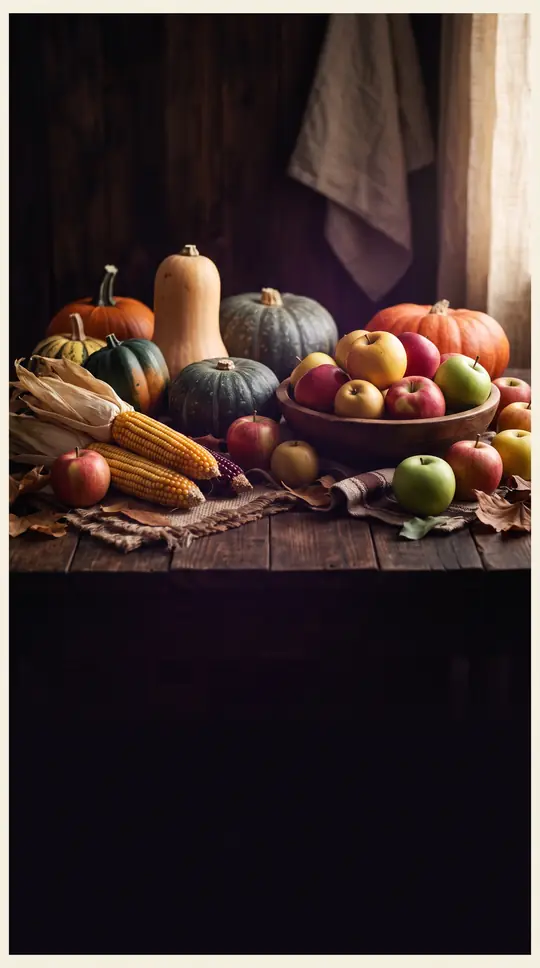
In short: Kabocha is a culinary chameleon, tasting like a hybrid of pumpkin and chestnut. While synonymous with Japanese cuisine, this sweet, knobbly squash has a global history that stretches back to Mesoamerica. Discover the precise ripening process that transforms a bland, freshly harvested gourd into a kitchen staple.
The story of kabocha begins in Mesoamerica, where squashes were domesticated 8,000 to 10,000 years ago, predating the cultivation of maize and beans by several millennia. While often associated with Japanese cooking, the squash reached Japan in 1541 via Portuguese sailors who brought it from Cambodia. The Japanese name kabocha is a linguistic evolution of the Portuguese term Camboja abóbora, or possibly cabaça, meaning gourd. Today, the term is used broadly in Japan to describe various squashes, though it specifically refers to the Cucurbita maxima variety.
Unlike most produce, freshness at the point of harvest is not the goal for kabocha. A freshly picked squash is dry and bland, requiring a specific two-stage curing process to develop its signature sweetness. First, the squash must be ripened in a warm environment of 77 °F (25 °C) for 13 days to convert starches into sugars. Following this, it is moved to a cool 50 °F (10 °C) location for about a month to increase its carbohydrate content. This process allows the flesh to reach its peak flavor and texture 1.5 to 3 months after harvest.
Kabocha is a nutritional powerhouse, rich in beta carotene, iron, vitamin C, and potassium. Its versatility is matched by its global reach; it is grown in climates as diverse as Tonga, South Africa, and California. Whether roasted, steamed in a pressure cooker, or incorporated into soups and desserts, the squash is prized for its intense yellow-orange interior and edible rind. When fully matured, a high-quality kabocha is identified by its hard skin and a dry, corky stem, signaling that the transformation from a bland vegetable to a succulent, sweet ingredient is complete.
Opens the Intellect+ feed with this card first. Swipe up for the next one.
Sources
- Summary by Intellect · source: Kabocha
To cite this card, link to https://intellectplus.co.uk/app/gardening-kabocha.
How we source, check and correct cards: Editorial standards.
General information, not professional advice. Spotted an error? Flag the card or see corrections and complaints.
Intellect Plus is a visual educational discovery platform for exploring fascinating facts and ideas. Brain Food, Not Brain Rot. What is Intellect Plus?
Related
More in Plants · More in Gardening · Latest · A–Z · All topics
