 Intellect Plus
Plants
384 cards. Each one is a 40-second story with a five-minute read behind it.
 The wood-decaying fungi that double as medicinal powerhousesGanoderma species are more than just shelf-like fungi; they are complex wood-decaying organisms that bridge the gap between ecological decomposers and traditional medicine. From d…
 The Devonian ancestors that paved the way for every modern forestBefore ferns dominated our landscapes or trees reached for the sky, a group of early vascular plants called trimerophytes held the blueprint. These mysterious organisms from the D…
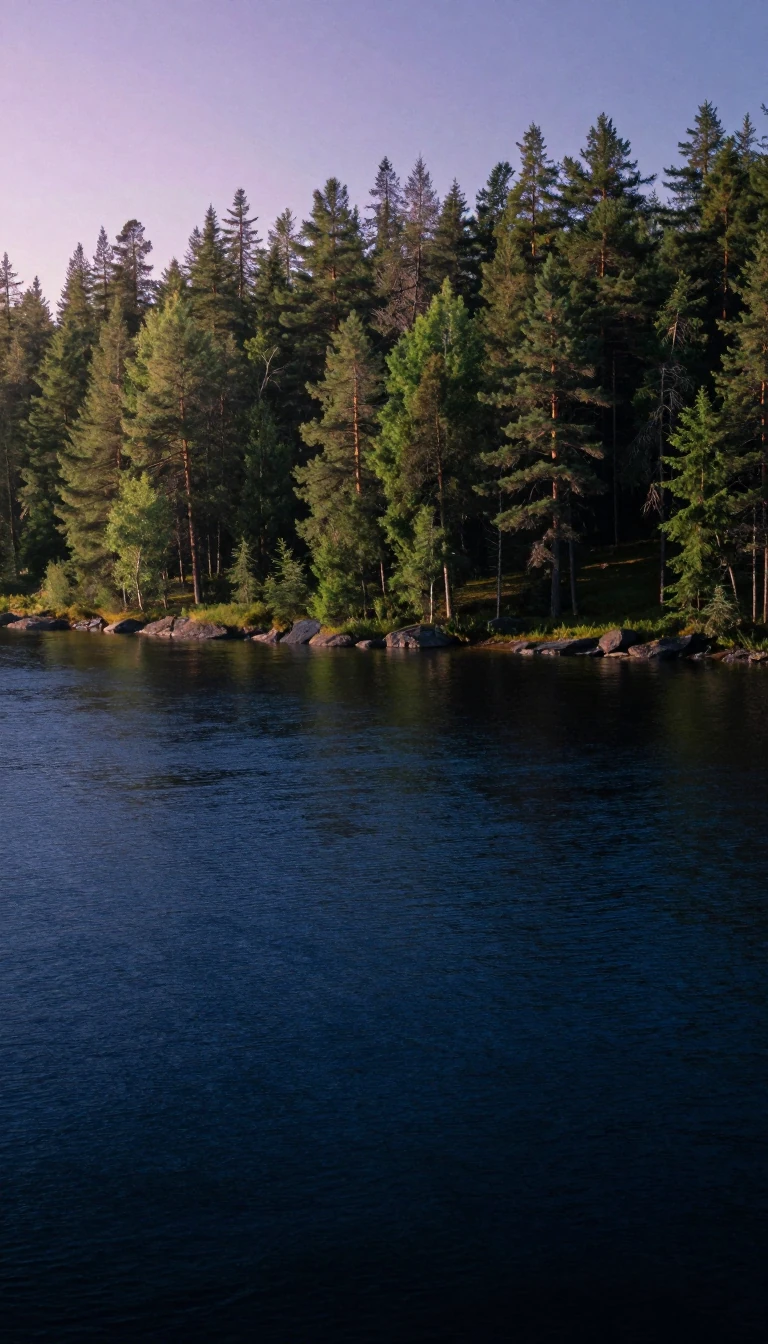 The 9,500-year-old tree that is actually a collection of clonesDeep in Sweden's Dalarna province stands Old Tjikko, a Norway spruce that predates recorded history. While often celebrated as the world's oldest tree, its true longevity lies hid…
 Fonio is the ancient, lightning-fast grain that could transform global food securityKnown as the cereal of the poor, this resilient West African grass matures in just eight weeks. It thrives in poor, dry soil without irrigation, offering a nutritional powerhouse …
 Master the art of planting: how to give your new greenery the perfect startGetting a new plant into the ground is a fundamental gardening skill, but success relies on more than just digging a hole. By understanding root health, soil contact, and the impo…
 The European silver fir: A towering mountain giant with a storied history of utilityKnown for its pale wood and towering stature, Abies alba is a foundational species of European mountain forests. Beyond its ecological role, this evergreen has served human needs …
 Why this humble North American conifer is a master of extreme survivalThe balsam fir is one of the most cold-hardy trees on Earth, capable of surviving temperatures as low as -45 degrees Celsius. Beyond its resilience, this fragrant evergreen has se…
- Can North American grand firs save the future of European managed forests?As climate change threatens traditional European conifers, foresters are looking toward the grand fir. Native to the Pacific Northwest, this species shows promise for maintaining …
 The towering giant behind your living room's most popular Christmas treeThe Nordmann fir is a botanical titan, reaching heights that make it the tallest tree in Europe. Beyond its status as a festive staple, this evergreen holds secrets of Ice Age sur…
- The noble fir is the world's tallest true fir, reaching heights of 70 meters.Known for its striking blue-green needles and impressive stature, the noble fir thrives in the cool, humid mountains of the Pacific Northwest. While loggers once masked its identi…
- The Australian tree that became a global wanderer and a South African weedAcacia decurrens, a tree native to New South Wales, has traveled far beyond its subtropical home. While valued for its edible flowers, medicinal properties, and tannin-rich bark, …
 The Australian blackwood is a prized timber source and a global invasive threat.Acacia melanoxylon is a versatile tree native to south-eastern Australia, celebrated for its lustrous, durable timber used in fine cabinetry and musical instruments. Yet, this sam…
 The golden wattle is Australia's national emblem, but it is an invasive weed elsewhere.The golden wattle, Acacia pycnantha, is a resilient tree that defines the Australian landscape. While it serves as the nation's official floral emblem, its ability to thrive in di…
- Why the Norway maple is a beloved urban shade tree and a botanical invaderIntroduced to North America as a hardy ornamental, the Norway maple thrives in polluted, compacted city soils where native species often fail. Yet, this same resilience makes it a…
- The Sycamore Maple is a resilient, invasive, and historically significant European tree species.Known as the sycamore in Britain, Acer pseudoplatanus is a hardy, wind-tolerant giant that has traveled far from its native Central Europe. While prized for its durable timber and…
 The silver maple is a botanical paradox of rapid growth and structural fragility.Known for its shimmering leaves and lightning-fast growth, the silver maple was once a suburban landscaping favorite. Today, it is often banned from city streets. Discover why thi…
 Acorus: The Ancient Wetland Plant That Defies Modern Botanical ClassificationAcorus is a botanical outlier, standing as the oldest surviving lineage of monocots. Once grouped with aroids, this wetland plant has been reassigned to its own unique order. Its …
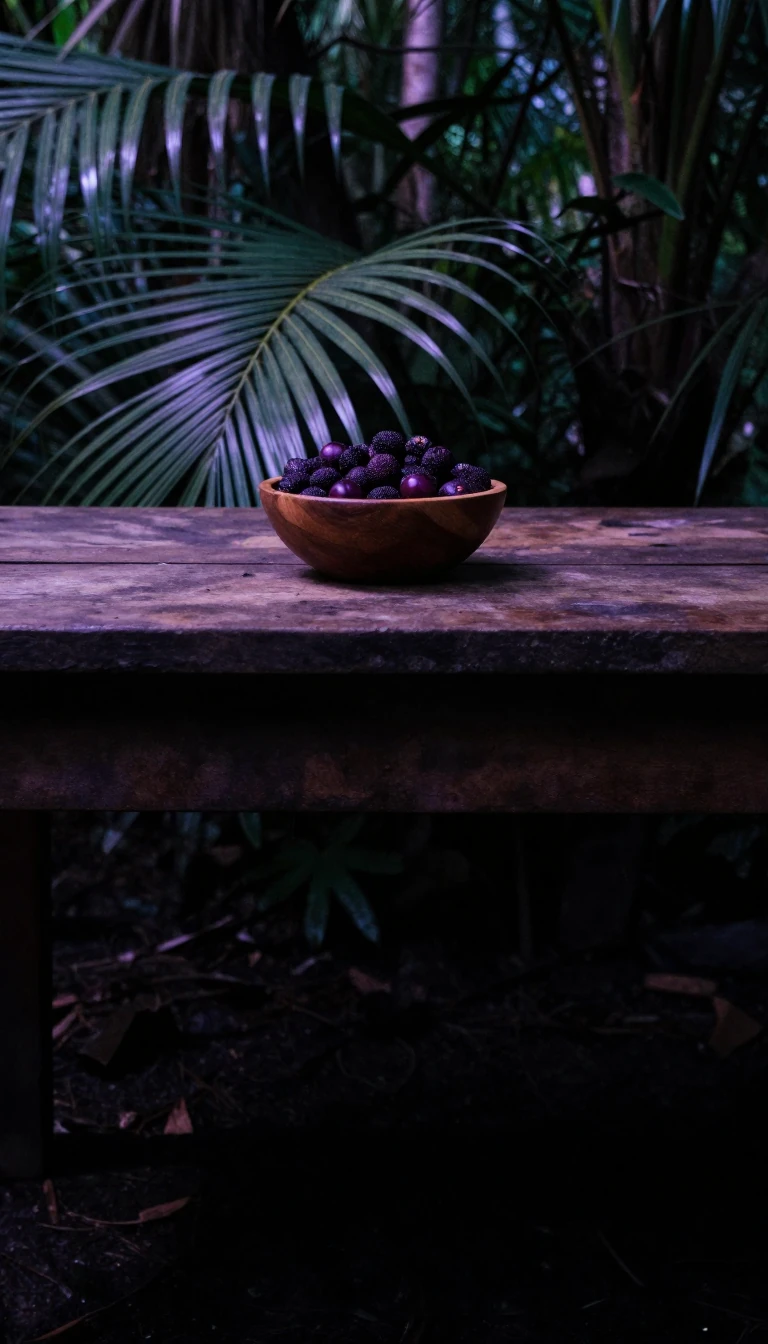 Sweet flag is a fragrant wetland plant with a history of botanical confusionKnown as sweet flag, Acorus calamus is a wetland perennial that has been used for centuries in perfumes and traditional medicine. Despite its long history, the plant is shrouded i…
- Why the African baobab is known as the legendary Tree of LifeThe African baobab is a botanical marvel, capable of storing over 136,000 liters of water in its massive trunk. This iconic, long-lived tree serves as a vital resource for local c…
 Beyond the dessert bowl: the ancient, soil-enriching history of the versatile adzuki beanKnown globally for sweet red bean paste, the adzuki bean is far more than a confectionary staple. This resilient legume, native to East Asia, functions as a powerful nitrogen-fixi…
- Why these ancient African conifers are the survivors of a broken supercontinentAfrocarpus trees are living remnants of the ancient supercontinent Gondwana. Once widespread across a cooler, wetter landscape, these evergreen conifers retreated to the highlands…
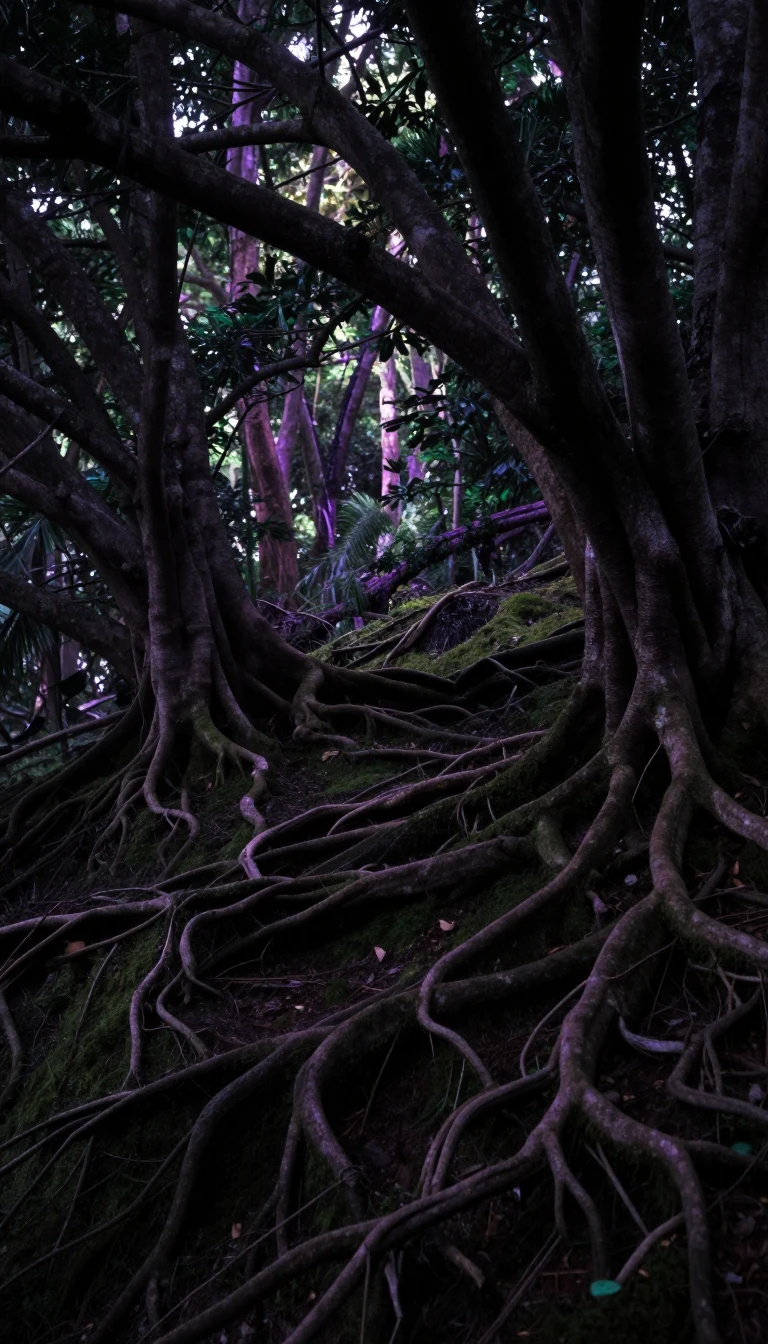 The kauri tree is a master of soil manipulation and forest dominanceThe kauri is a giant of the New Zealand forest, capable of reaching 50 meters in height. Beyond its size, this conifer acts as a foundation species, actively altering the soil che…
 Why the pungent ajwain seed is a culinary powerhouse that demands careful handlingOften mistaken for caraway or cumin, ajwain is a potent herb from the Apiaceae family. Its small, pale brown fruits pack a thymol-rich punch that can easily overwhelm a dish. Whil…
 Why this West African swamp plant is named after a reptile's backAlligator pepper is a prized West African spice derived from the pods of ginger-family plants. Its name comes from the bumpy, papery skin covering its seeds, which resembles the t…
 Why these architectural garden giants are more than just ornamental onion cousinsAlliums bring structural drama to the garden with their striking, spherical blooms. While they share a family history with culinary staples like onions and garlic, these hardy per…
 The Welsh onion is not from Wales, and it is not even an onion.Despite its misleading name, the Welsh onion—Allium fistulosum—is native to China and lacks the bulbous base of a common onion. Instead, it grows as a perennial, hollow-leaved pla…
- Why the wild garlic in your woods might be a bear's favorite snackKnown as ramsons or bear leek, Allium ursinum is a resilient woodland perennial with a history spanning over 1,500 years. While its pungent leaves are a culinary delight, they are…
- Allspice is not a blend of spices, but a single, mysterious, sun-dried berry.Despite its name, allspice contains no cinnamon, nutmeg, or clove. It is the dried, unripe fruit of the Pimenta dioica tree, a native of the Greater Antilles. Once impossible to c…
 The common alder is a water-loving tree that hides a secret nitrogen-fixing engine.Thriving in swamps and riverbanks, the common alder is a master of survival in poor soils. It forms a unique symbiotic partnership with bacteria to pull nitrogen from the air, whi…
 The Pacific Northwest's most misunderstood tree is a nitrogen-fixing powerhouse and a timber star.Long dismissed as a mere weed that choked out valuable conifers, the red alder is actually a vital ecological pioneer. This fast-growing tree enriches the soil, heals disturbed la…
 The Amaranthaceae family is a global powerhouse of survival and essential human nutritionFrom the humble garden beet to the high-protein quinoa, the Amaranthaceae family is far more than a collection of ornamentals. These resilient plants have mastered the art of thri…
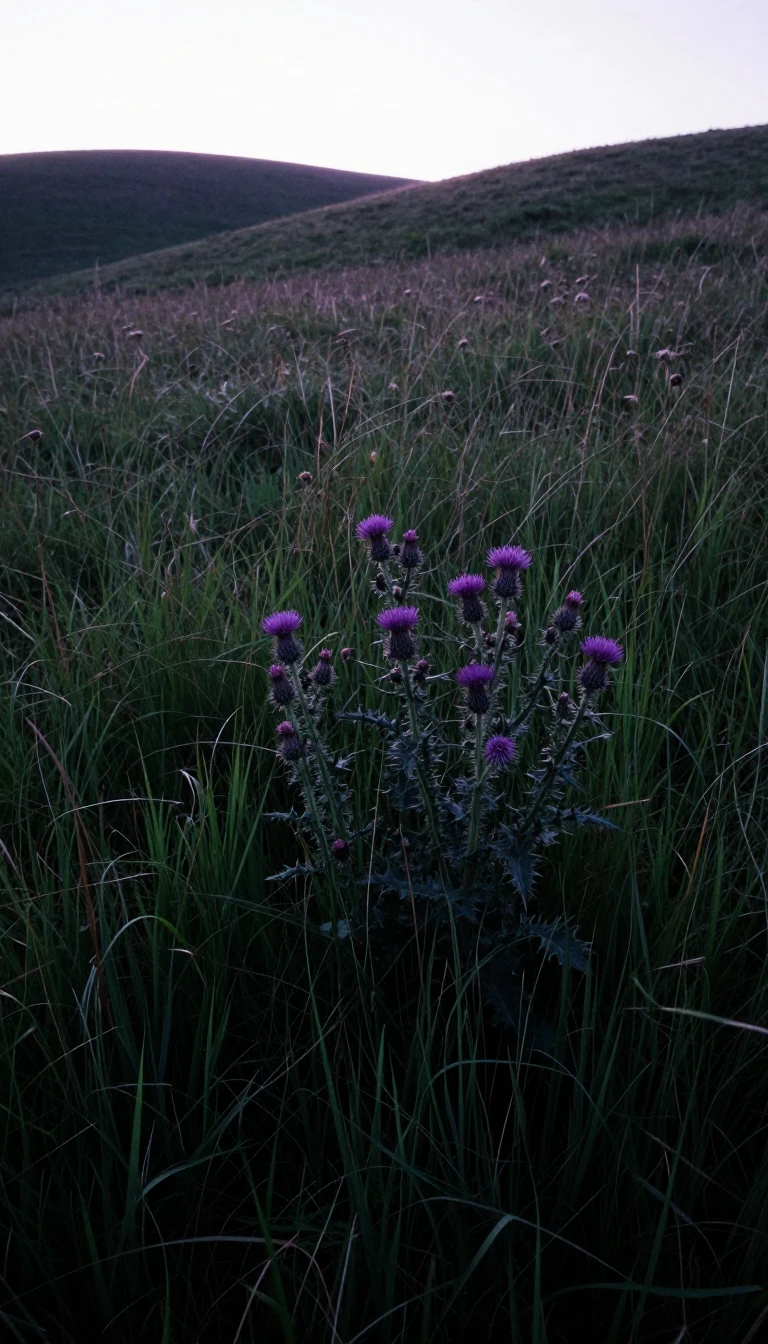 This rare New Caledonian shrub is the sole survivor of an ancient evolutionary lineage.Amborella trichopoda is not just another plant; it is the sister group to all other flowering plants on Earth. By diverging over 130 million years ago, this modest understory shru…
 Why Indian cuisine relies on dried green mango powder for that perfect acidic punchAmchoor, a staple spice across India, is essentially dried, unripe green mangoes ground into a fine, pale-beige powder. It provides a distinctively tart, fruity acidity to dishes …
 The American chestnut was once a forest giant, but a fungus brought it down.Before the 20th century, the American chestnut was a dominant, fast-growing titan of eastern North American forests. Then, an accidental fungal introduction triggered a catastroph…
 The mango family is a powerhouse of ancient medicine and global culinary traditionThe Anacardiaceae family, known as the sumac or cashew family, comprises roughly 870 species of flowering plants. While famous for the mango, this diverse group is defined by resi…
- The sugar apple is a global tropical traveler with a surprisingly complex botanical history.Native to the Americas, this fruit tree has spread across the globe, becoming a staple in tropical markets from India to Thailand. While prized for its creamy, custard-like flesh,…
- The custard apple family hides a dark secret behind its sweet, tropical fruits.The Annonaceae family includes beloved fruits like soursop and cherimoya, but these plants harbor potent neurotoxins called acetogenins. While some species are prized for their ti…
 Why this ancient, spiky conifer is called the monkey puzzle treeThe monkey puzzle tree is a prehistoric survivor with a name born from a 19th-century dinner party joke. Beyond its reptilian, armor-plated branches lies a complex ecological hist…
 The 385-million-year-old tree that invented the modern forest as we know itLong before seed-bearing plants dominated the landscape, a genus called Archaeopteris revolutionized Earth. By evolving sophisticated, deep-reaching root systems and lumber-worthy…
 The ancient palm behind the world's fourth most common psychoactive substanceNative to the Philippines, the Areca catechu palm has traveled across the globe for millennia. While its seeds are a staple in traditional practices and industrial applications, t…
- Palms are the big game of the plant world, hiding secrets in their leaves.Arecales is an order of flowering plants comprising nearly 190 genera and over 2,450 species of palms. These woody monocots are essential to tropical ecosystems and human economie…
- The resilient grass species that spans from the Sahara to Northwest IndiaAristida mutabilis is a remarkably widespread grass, thriving in the harsh conditions of desert and dry shrubland biomes. Native to a vast range stretching from the Sahara across …
- From Tequila to Houseplants: The Surprising Diversity of the Asparagaceae FamilyYou might know Asparagaceae for the spears on your dinner plate, but this vast family of flowering plants spans everything from desert succulents to lush indoor foliage. With over…
 From orchids to onions, the world's most diverse plant order hides in plain sight.The order Asparagales contains over 36,200 species, ranging from the delicate vanilla orchid to the towering agave and the humble garden onion. While these plants look vastly diff…
 The Spleenwort family proves that ancient ferns are masters of global colonizationAspleniaceae, the spleenwort family, challenges our understanding of how plants conquer the globe. While many ferns are confined to specific niches, these resilient plants thrive …
 The daisy is not a single flower, but a complex community of hundreds.What you perceive as a single daisy or sunflower is actually a dense, organized colony of hundreds of individual florets. This deceptive architecture is the hallmark of the Astera…
- Carpet grass: The resilient tropical groundcover that thrives where other plants simply drownKnown as carpet grass, the genus Axonopus is a master of survival in wet, challenging environments. Native primarily to the Americas, these grasses have evolved to withstand perio…
 Could a tiny floating fern be the key to cooling our warming planet?Azolla, a genus of aquatic ferns, is so efficient at sequestering carbon that it may have triggered a global cooling event 55 million years ago. Today, this fast-growing plant is …
 Why you must boil bamboo shoots before they ever touch your dinner plateBamboo shoots are a culinary staple across Asia, prized for their crisp texture and unique flavor. Yet, in their raw state, these shoots harbor dangerous cyanogenic glycosides. To…
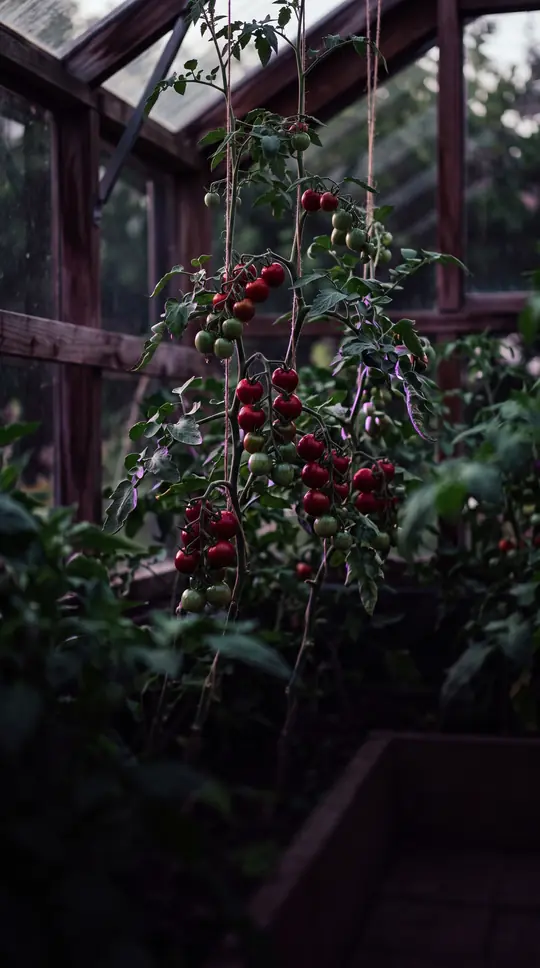 The banana pepper is a mild, curved fruit that thrives in full sunlightOften mistaken for the smaller pepperoncini, the banana pepper is a versatile member of the chili family. Known for its bright yellow hue and mild, tangy profile, this cultivar of…
- Banksia: The ancient Australian wildflower that relies on fire to survive and reproduceBanksias are iconic Australian plants known for their woody cones and nectar-rich spikes. While they thrive in diverse landscapes, these plants have evolved a complex, fire-depend…
 Why the world’s most fragrant rice is defined by a chemical compoundBasmati rice is more than just a long-grain staple; it is a scientifically defined aromatic experience. Its signature pandan-like scent comes from a specific chemical compound fou…
- These ancient, flower-like plants dominated the Mesozoic before vanishing alongside the dinosaurs.Bennettitales were once among the most common seed plants on Earth, often mistaken for modern cycads. Yet, these mysterious gymnosperms possessed complex, flower-like reproductive…
- From Napoleon's blockade to your dinner plate, the humble beet is a global powerhouse.Beta vulgaris is far more than a simple garden vegetable. This versatile plant species has been cultivated for millennia, branching into four distinct forms that serve as everythi…
- The river birch is a heat-loving outlier in a family of cold-weather trees.Most birches struggle in warmer climates, but the river birch thrives across the Eastern United States. This resilient species dominates floodplains and swamps, offering a unique …
 The paper birch is a master of survival that thrives on forest destruction.Known for its iconic, peeling white bark, the paper birch is a pioneer species that colonizes landscapes ravaged by fire or wind. While it struggles in the heat of southern climat…
- The silver birch is a resilient pioneer tree that shapes entire forest ecosystems globally.Known for its iconic peeling white bark and pendulous twigs, the silver birch is more than a decorative garden staple. As a hardy pioneer species, it is often the first to coloniz…
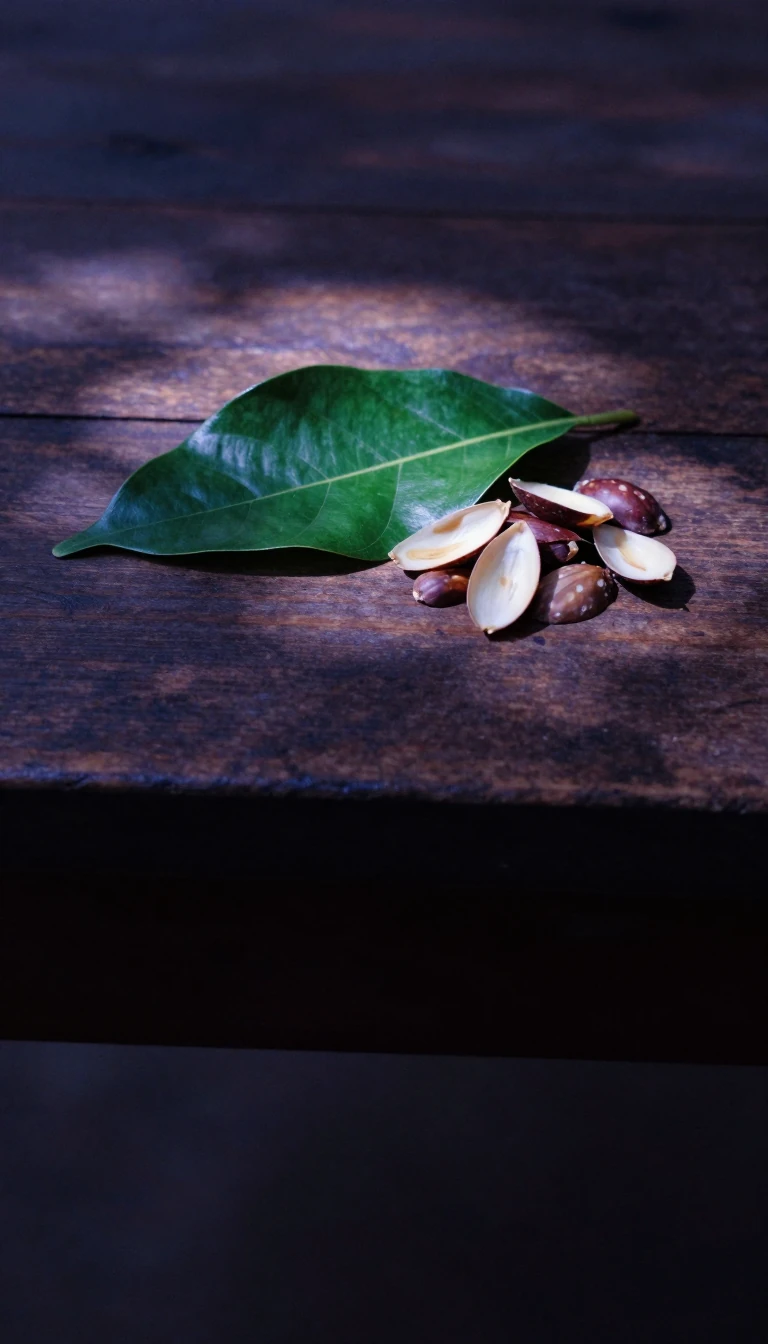 The resilient birch family helped shape human history from ancient tools to modern plywoodThe Betulaceae family, comprising about 145 species including birches, alders, and hazelnuts, are among the most versatile trees on Earth. Hardy and quick to colonize post-glacial…
- Why this humble West African legume became a global symbol of New Year prosperityThe black-eyed pea is far more than a Southern staple. Originating in West Africa, this nitrogen-fixing legume traveled across the globe, becoming a dietary cornerstone from India…
 Why the blood orange needs a cold night to reveal its crimson heartThe blood orange is a natural mutation of the sweet orange, but its signature deep red flesh is not guaranteed. These fruits require specific environmental conditions to develop t…