The humble yogurt bacterium that sparked a century of probiotic research and medical intrigue.
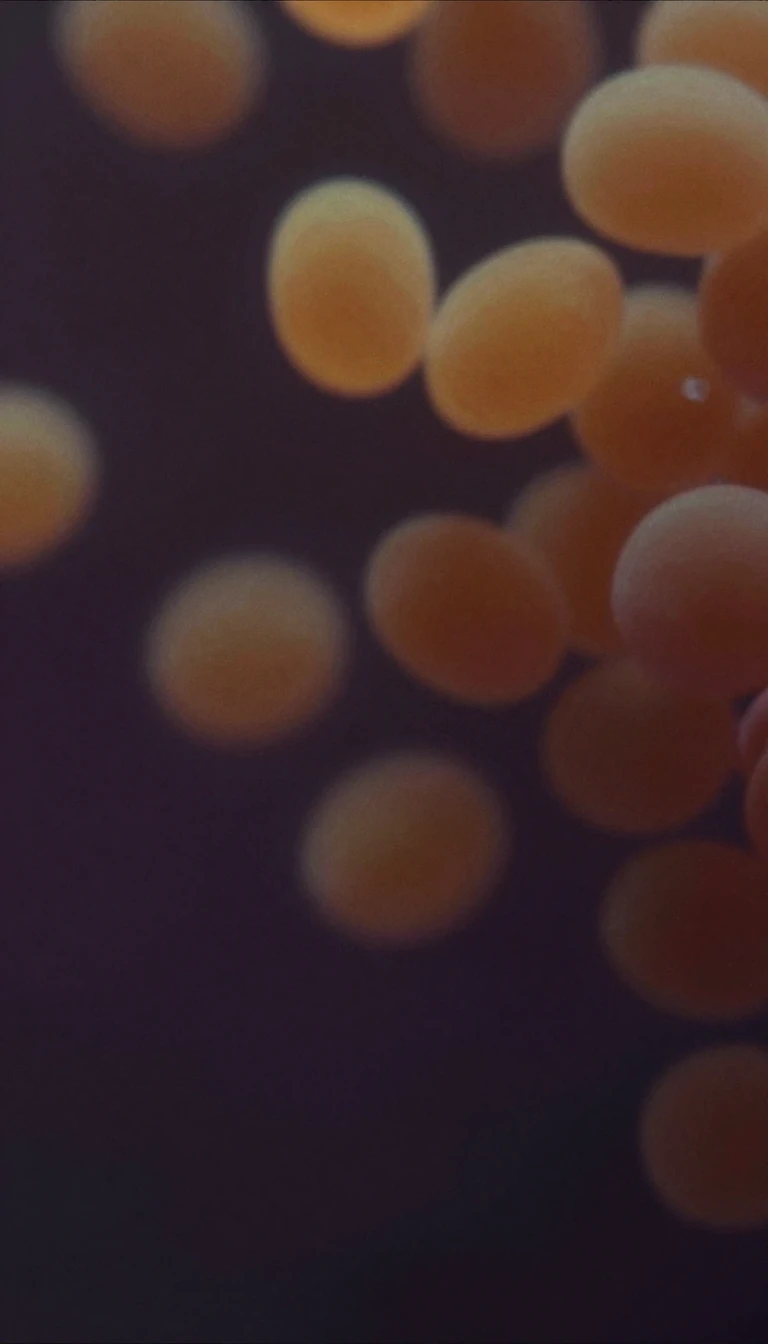
In short: Identified in 1905, Lactobacillus delbrueckii subsp. bulgaricus is the secret behind yogurt's signature tang. Beyond the kitchen, this non-motile rod has been linked to longevity theories, potential cancer treatments, and even the reduction of milk protein allergies. It remains a cornerstone of modern food science and microbial study.
First isolated by Bulgarian doctor Stamen Grigorov in 1905, this gram-positive, anaerobic bacterium is essential for yogurt production. It works in a symbiotic relationship with Streptococcus thermophilus; the latter consumes amino acids produced by the former, while both generate lactic acid. This acid lowers the pH, coagulating milk proteins like casein to create yogurt's characteristic thickness and tartness. Beyond its culinary role, the bacterium is highly sensitive to its environment, requiring temperatures between 40–44 °C and specific nutrients to thrive.
The bacterium gained fame through the work of Ilya Metchnikoff at the Pasteur Institute. He hypothesized that aging was caused by intestinal putrefaction and that consuming fermented milk could seed the gut with beneficial microbes to suppress toxic decay. While a 1920 study challenged the idea that the bacterium could survive human digestion, Metchnikoff’s work effectively launched the modern field of probiotics. Later, more unconventional claims emerged, such as the work of physician Ivan Bogdanov, who allegedly used a vaccine derived from the bacteria to treat myeloma patients, though these findings lack verification in English medical literature.
Modern research focuses on the bacterium's practical applications and survival. Scientists have explored its ability to reduce the antigenicity of certain milk proteins, potentially helping those with cow's milk protein allergies. Because the bacterium is vital for industry, researchers also study how to improve its viability during freeze-drying. A 2017 study found that adding precise, low concentrations of substances like sorbitol, sodium chloride, and sodium glutamate can significantly protect the cells from damage during preservation. Today, the microbe is globally significant, with major importers including the United States, Japan, and the European Union.
Opens the Intellect+ feed with this card first. Swipe up for the next one.
Sources
- Summary by Intellect · source: Lactobacillus delbrueckii subsp. bulgaricus
To cite this card, link to https://intellectplus.co.uk/app/gardening-lactobacillus-delbrueckii-subsp-bulgaricus.
How we source, check and correct cards: Editorial standards.
General information, not professional advice. Spotted an error? Flag the card or see corrections and complaints.
Intellect Plus is a visual educational discovery platform for exploring fascinating facts and ideas. Brain Food, Not Brain Rot. What is Intellect Plus?
Related
More in Prokaryotes · More in Gardening · Latest · A–Z · All topics
