Why the shift from manual labor to machines changed the global food landscape forever
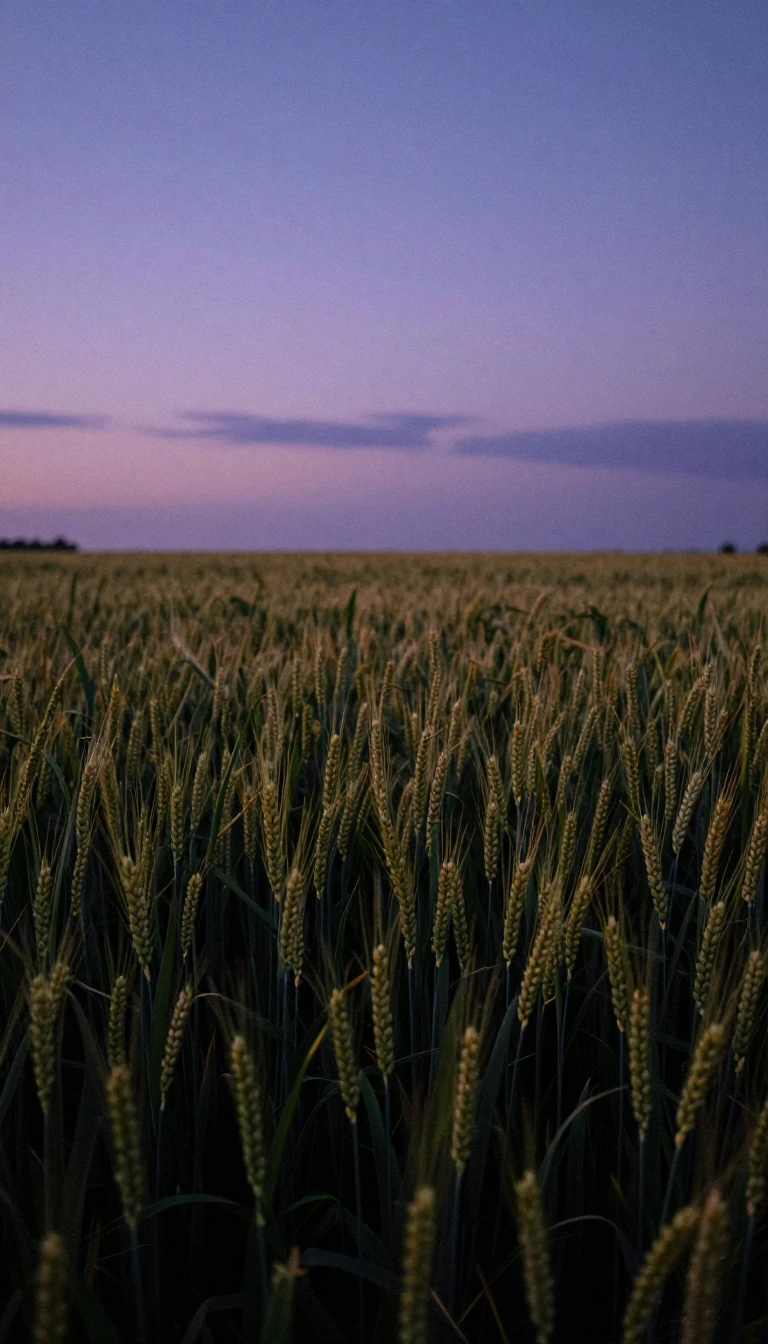
In short: Mechanized agriculture transformed farming from a labor-intensive, subsistence-based activity into a high-output commercial engine. By replacing human and animal power with tractors and harvesters, this technological evolution reshaped urban economies and food security. Yet, the transition remains uneven, leaving a stark divide between modern industrial farms and traditional subsistence practices.
The history of agriculture is defined by a move from manual tools to animal traction, and eventually to motorized and digital systems. While subsistence farming—where families raise crops primarily for their own consumption—remains a vital practice for millions in places like India and sub-Saharan Africa, it contrasts sharply with the intensive, mechanized systems that dominate commercial agriculture. In subsistence models, farmers often rely on natural rainfall and traditional techniques, making them vulnerable to climate shifts but also promoting a more sustainable, low-energy approach to food production.
Mechanization, which gained significant momentum in the mid-20th century, fundamentally altered the output per unit of land. By adopting continuous cropping and modern equipment, commercial farms moved away from the fallow periods required by traditional methods. This shift was not merely about efficiency; it was a catalyst for urbanization and the development of industrial economies. As machines replaced the need for large teams of draft animals, land previously used for forage was repurposed, and labor was freed for other sectors. In the United States, this period of rapid productivity growth between the 1940s and 1970s was bolstered by internal combustion tractors and chemical fertilizers.
Despite these advancements, the adoption of technology is far from universal. Many crops, particularly fruits and vegetables, still rely heavily on human labor because machines often struggle to harvest delicate produce without causing damage. Furthermore, the reliance on manual labor in some regions is tied to economic factors, such as the availability of low-wage workers. As labor supplies fluctuate, the pressure to automate increases, sparking debates over job security and the competitive advantage of large-scale growers. Today, the global agricultural landscape remains a complex mix of high-tech robotics and age-old subsistence traditions, each responding to different environmental and economic pressures.
Opens the Intellect+ feed with this card first. Swipe up for the next one.
Sources
- Summary by Intellect · source: Mechanized farming | agriculture | Britannica
- Also: Mechanised agriculture
To cite this card, link to https://intellectplus.co.uk/app/gardening-mechanised-agriculture.
How we source, check and correct cards: Editorial standards.
General information, not professional advice. Spotted an error? Flag the card or see corrections and complaints.
Intellect Plus is a visual educational discovery platform for exploring fascinating facts and ideas. Brain Food, Not Brain Rot. What is Intellect Plus?
Related
More in Agriculture · More in Gardening · Latest · A–Z · All topics
