Why a simple layer of mulch is the ultimate secret to a thriving garden
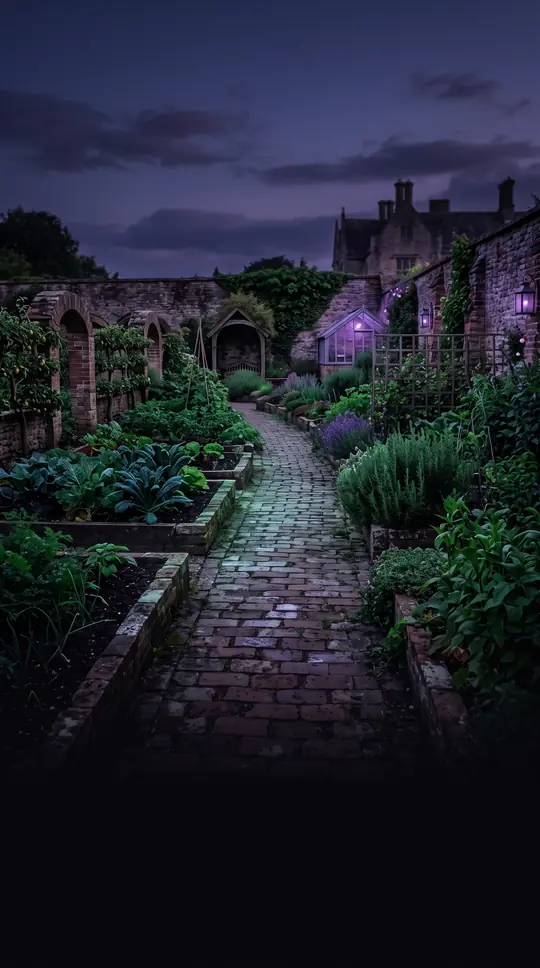
In short: Mulching is more than just a tidy aesthetic choice. By covering bare soil with organic or inorganic materials, you create a powerful barrier that suppresses weeds, retains vital moisture, and regulates soil temperature. Whether you are protecting roots from frost or warming the earth for spring, mulch is essential.
Mulch acts as a protective skin for your garden, functioning as an insulator that stabilizes the environment for your plants. By creating a physical layer between the soil and the atmosphere, it significantly reduces evaporation, helping to conserve water. Furthermore, it blocks the sunlight necessary for weed seeds to germinate, effectively suppressing unwanted growth without the need for constant weeding. When applied correctly—ideally between 5cm (2in) and 7.5cm (3in) thick—it creates a balanced microclimate that encourages beneficial soil organisms and protects plant roots from extreme temperature fluctuations.
The choice of material depends on your specific goals. Biodegradable options like garden compost, leaf mould, or well-rotted manure break down over time, enriching the soil with nutrients and improving its structure. Non-biodegradable alternatives, such as gravel, slate, or stone chippings, offer a decorative finish and are particularly effective at keeping roots cool in strong sunlight by reflecting heat. However, caution is required: avoid piling any mulch directly against the stems of woody plants, as this can cause softening and leave them vulnerable to disease. Additionally, freshly chipped woody material should be stored for a few weeks before use, as its decomposition can temporarily deplete nitrogen levels in the soil.
Timing is key to maximizing these benefits. Mid-to-late spring is generally ideal, as it allows you to suppress annual weeds before they take hold while the soil is still moist. Autumn application is also effective as plants begin to die back. While the practice is straightforward, it is important to ensure the layer is permeable to allow rain and irrigation to reach the roots. By mastering this simple technique, you reduce the need for frequent watering and chemical fertilizers, allowing the natural cycle of decomposition and soil health to do the heavy lifting for your garden.
Opens the Intellect+ feed with this card first. Swipe up for the next one.
Sources
- Summary by Intellect · source: www.rhs.org.uk — Mulches and Mulching | RHS Advice
- Also: Mulch
To cite this card, link to https://intellectplus.co.uk/app/gardening-mulch.
How we source, check and correct cards: Editorial standards.
General information, not professional advice. Spotted an error? Flag the card or see corrections and complaints.
Intellect Plus is a visual educational discovery platform for exploring fascinating facts and ideas. Brain Food, Not Brain Rot. What is Intellect Plus?
Related
More in Agriculture · More in Gardening · Latest · A–Z · All topics
