The mysterious fungal subphylum that may have enabled the first land plants to survive.
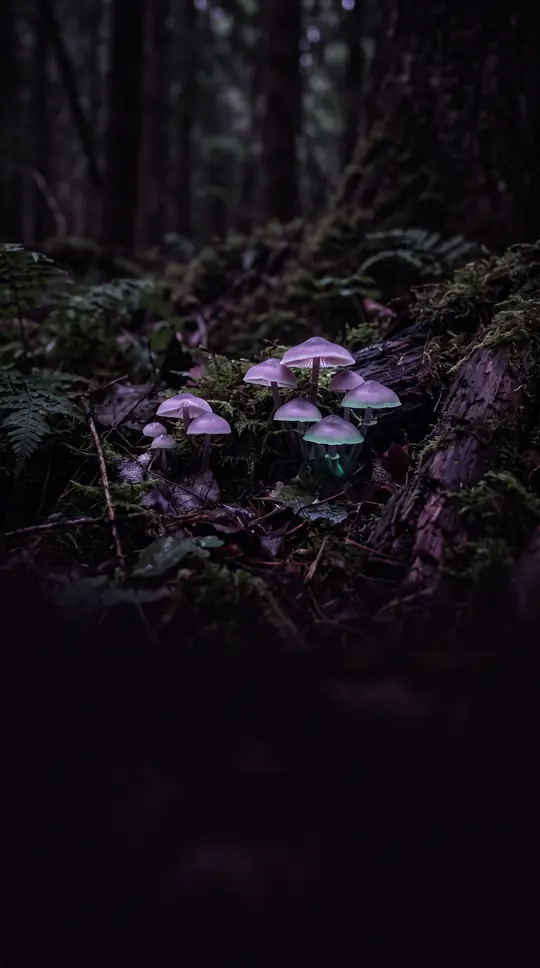
In short: Mucoromycotina are elusive molds that defy easy classification. Once lumped into the now-defunct Zygomycota, these fungi are essential decomposers and ancient plant partners. While some species cause devastating crop rot or human infections, others may have been the original pioneers that helped plants colonize land during the Paleozoic era.
Mucoromycotina remains a taxonomic puzzle. Currently classified as incertae sedis, its exact position within the fungal kingdom is unknown because these organisms are notoriously difficult to cultivate in laboratory settings. Genomic studies are limited to the few samples that can be successfully grown, making it challenging to build accurate phylogenetic trees. Historically, these fungi were grouped under Zygomycota, but recent genetic analysis has split that phylum into several distinct groups, including Mucoromycotina, which is now composed of three orders: Endogonales, Mucorales, and Mortierellales.
The ecological impact of these fungi is profound and varied. They have evolved three primary lifestyles: saprotrophic, parasitic, and mycorrhizal. As saprotrophs, they are vital for decomposition, breaking down complex organic matter into simpler components like amino acids and fatty acids. However, their parasitic side can be destructive; species in the order Mucorales are known to cause crown rot in crops like wheat, barley, and strawberries, leading to significant agricultural losses. In humans, they can cause mucormycosis, a serious infection primarily affecting individuals with compromised immune systems.
Perhaps their most significant role is as ancient symbionts. Mycorrhizal interactions, where fungi and plants trade nutrients, are fundamental to ecosystem health. Research suggests that a Mucoromycotina species may have formed the first plant-fungi symbiotic relationship with liverworts during the Paleozoic era. Today, genera like Endogone continue this legacy by stabilizing nutrient-poor soils, such as sand dunes, and supporting plant growth. Other species, such as those in the Mortierella genus, have even shown potential insecticidal properties, highlighting the diverse and often hidden ways these fungi influence the natural world.
Opens the Intellect+ feed with this card first. Swipe up for the next one.
Sources
- Summary by Intellect · source: Mucoromycotina
- Also: www.britannica.com — Mucoromycotina | subphylum of fungi | Britannica
To cite this card, link to https://intellectplus.co.uk/app/gardening-mucoromycotina.
How we source, check and correct cards: Editorial standards.
General information, not professional advice. Spotted an error? Flag the card or see corrections and complaints.
Intellect Plus is a visual educational discovery platform for exploring fascinating facts and ideas. Brain Food, Not Brain Rot. What is Intellect Plus?
Related
More in Fungi · More in Gardening · Latest · A–Z · All topics
